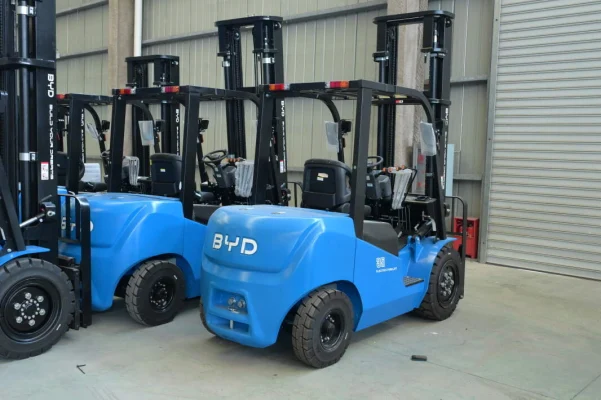
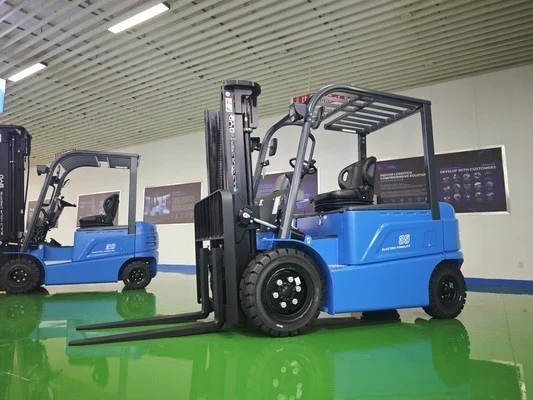
Matching Site Requirements to 5.0t electric counterbalance Lift Truck Capabilities
News 20/10/2026
Selecting the right material handling equipment requires clear alignment between your site’s unique physical and operational needs and the built-in capabilities your chosen lift truck. This process eliminates costly mismatches that create safety hazards, reduce productivity, and shorten equipment lifespan when working with 5.0t electric counterbalance lift trucks.
Core Site Requirements You Must Map First
Before you compare lift truck models, document every critical constraint your site imposes on equipment operation. These parameters directly determine whether a 5.0t model can function safely and efficiently in your space.
Aisle Width Constraints
Most 5.0t electric counterbalance lift trucks require wider working aisles than smaller capacity models. You must measure your narrowest working aisle along frequent travel routes, then compare this measurement against the truck’s published minimum aisle turning radius. Sites with fixed racking often need adjusted measurements when cargo extends past rack edges. One example: a 100mm cargo overhang adds 200mm total width requirement to your aisle, which can make a previously compatible model too large.
Floor Load Ratings
A 5.0t lift truck plus its maximum rated cargo creates significant total downward force on your facility’s flooring. Older buildings, multi-level storage facilities, and prefabricated structures often have lower maximum floor load ratings than newer purpose-built warehouses. You must confirm your floor can support the total combined weight of the truck and full cargo load before any equipment delivery.
Charging Infrastructure Space And Capacity
Unlike internal combustion models, 5.0t electric counterbalance lift trucks require regular charging. Your site needs dedicated space charging stations, plus adequate grid capacity support the power draw of high-capacity battery charging. Multi-shift operations also need space for battery swap systems if you choose lead-acid battery models instead of fast-charging lithium units.
Key Capabilities 5.0t Electric Counterbalance Lift Trucks Offer
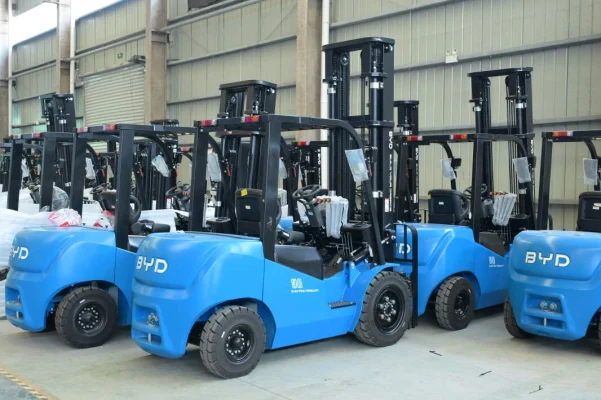
The 5.0t capacity class fills a popular niche between smaller 3t models and larger 8t+ heavy lift units. Its balance of power, flexibility, and lower emissions makes it popular across many different operation types.
Core Load And Lift Flexibility
The 5.0t rated capacity matches most common heavy load handling needs, including full palletized building materials, intermediate bulk containers, and mixed cargo loads ready for distribution. Standard models offer lift heights up 3 meters, while high-mast options reach 6 meters suitable for medium-level racked storage. The counterbalance design eliminates need for front outriggers, so operators can maneuver closer loading docks and racking than many other lift types.
Cross-Environment Operation
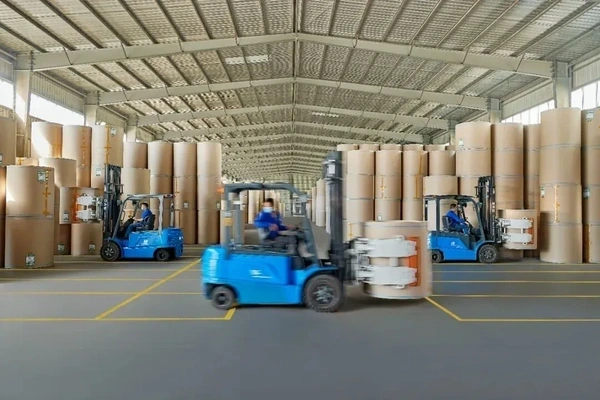
Sealed-battery 5.0t electric counterbalance models work well both indoor storage areas and outdoor loading yards in mild weather. They produce zero tailpipe emissions, making them safe indoor operation where ventilation remains limited, a key advantage over diesel-powered models. Noise output also falls well below levels required indoor work, so operations can run during standard business hours without disrupting adjacent work areas.
Common Mismatches And How To Avoid Them
Even when you think your site and truck align, small oversights create costly issues down the line. Watch these most common mistakes:
- Underestimating total cargo weight including packaging and pallets: Always add 10% extra weight your maximum expected load when comparing truck capacity
- Ignoring grade requirements on site: Slopes steeper than published limits reduce truck traction and load capacity, check your site’s maximum ramp grade before final selection
- Overlooking clearance requirements at dock doors: Overhead clearance or door width can block entry even when aisle measurements work
- Forgetting grid capacity constraints: Older facility electrical systems often cannot support the power draw of multiple simultaneous high-capacity battery charging sessions
Many operations make the mistake of selecting a 5.0t model based solely on cargo weight, without accounting for the extra space the larger counterbalance weight requires at the rear of the truck. This creates rear impact risks with racking or walls when turning in tight spaces.
Step By Step Matching Process
Follow this structured process confirm alignment between your site and a 5.0t electric counterbalance lift truck:
- Survey your site and document all critical parameters: minimum aisle width, maximum floor load rating, door and overhead clearance, maximum ramp grade, available charging space, and existing grid capacity
- Define your operational needs: maximum expected total load weight, maximum required lift height, typical operating environments, and number of operating shifts per day
- Compare your documented site and operational parameters against the published specifications each candidate lift truck model. Cross off any model that does not meet one or more core requirements
- If possible, arrange an on-site test with a short-term rental or demonstration unit. Run the truck through your most common routes and maneuvers confirm it fits your space and meets your needs
- Confirm all infrastructure upgrades (if needed) fit your budget and timeline before finalizing your purchase or rental agreement
This process takes minimal extra time, but it prevents costly reconfiguration or equipment replacement after delivery.
Frequently Asked Questions
Can 5.0t electric counterbalance lift trucks work in cold storage environments?
Specialized models built to support cold storage operation exist, but standard models often experience reduced battery performance in sub-zero temperatures. Check manufacturer specifications confirm suitability matching your specific operating temperature range.
Do these trucks require more floor space than equivalent diesel models?
5.0t capacity electric and diesel models usually require similar turning radius and aisle space. The main extra space requirement comes from charging infrastructure, which diesel models do not need.
What happens if my site does not match the truck’s published requirements?
Operating outside published specifications increases safety risks, reduces truck lifespan, and voids most manufacturer warranties. You can adjust site layout where possible, or select a different capacity or model aligned with your site constraints.
Correct matching your site requirements and 5.0t electric counterbalance lift truck capabilities creates safe, efficient material handling workflow that meets your operational needs long term. Always cross check all parameters with your equipment supplier before finalizing any agreement.