Assessing Compatibility Of BYD Forklift China Products With Existing Warehouse Fleet Infrastructure
News 07/10/2026
Many warehouse operations look to add BYD forklift China products to expand capacity or replace older equipment. Compatibility with existing infrastructure directly impacts operational efficiency and upgrade costs. This guide covers key evaluation areas, common limitations, and actionable steps you can use to make informed decisions.
Key Compatibility Areas To Evaluate
Power Infrastructure
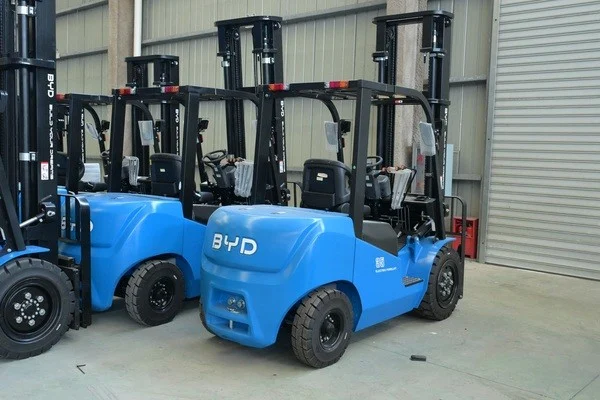
Nearly all BYD forklift China products use lithium iron phosphate battery systems, unlike older internal combustion models most warehouses currently operate. Your facility’s existing grid output and charging space must align with product specifications. Most BYD electric forklifts use 48V or 80V battery systems. You must check if your facility’s existing capacity supports simultaneous charging of multiple units. Dedicated space must also exist near storage areas to place charging stations, without blocking pedestrian or vehicle traffic.
Dimensions And Aisle Clearance
Warehouse aisle width, ceiling height, and dock ramp dimensions define what forklift models work within your layout. BYD produces multiple forklift lines, ranging from small pallet jacks to large container handlers. Each model has unique turning radius, overall length, and maximum lift height specifications. You must compare these values against your facility’s current measured clearances. Even small mismatches can cause damage to racks or create unsafe working conditions.
Connectivity And Fleet Management Integration
Most modern warehouses use centralized fleet management systems to track usage, maintenance, and productivity. New BYD forklift models come with built-in telematics that collect operational data. Integration capabilities vary by model and region. Some models support open API connections, while others only work with BYD’s native platform. You must confirm connectivity matches your current system requirements before committing to purchase.
Hypothetical Application Scenario
A regional third-party logistics provider operates a 100,000 square foot warehouse with 12 older internal combustion forklifts. The company wants to add five new electric units to support growing e-commerce fulfillment operations, and selects BYD forklift China products as a top candidate. The team completes the following compatibility checks:
- They audit the facility’s existing electrical capacity, find they need a small upgrade to support three simultaneous charging stations
- They measure all main and secondary aisles, confirm the selected 3-ton BYD counterbalance forklift fits within existing 12-foot aisle clearances
- They work with the authorized distributor to confirm telematics data can export to their existing fleet management tool
This process helps the team avoid unexpected upgrade costs and launch the new units within their planned timeline.
Common Limitations To Consider
Even high-quality BYD forklift products may require adjustments to your existing infrastructure. Common limitations include:
- Cold storage facilities may see reduced battery performance, because lithium iron phosphate batteries work best above freezing temperatures. Additional heating systems may become necessary to support consistent operation.
- Older facilities with outdated electrical systems often require costly upgrades before supporting multiple electric forklift charging needs.
- Specifications can vary slightly between different regional distribution models, so always confirm specs against your specific unit, not general online descriptions.
Actionable Steps To Confirm Compatibility
Follow these clear steps to complete your assessment:
- Conduct a full audit of your existing warehouse infrastructure, document aisle clearances, electrical capacity, current fleet system specs, and charging space availability.
- Request official product specification documents from your authorized BYD distributor. Cross-check each key spec against your audit results.
- If possible, arrange an on-site trial with a test unit. This lets you verify maneuverability, charging fit, and operation in your actual working environment.
- Discuss integration needs with both your fleet management provider and BYD distributor to confirm connectivity works as expected.
Frequently Asked Questions
What voltage requirements apply to BYD forklift models sourced from China?
Most BYD electric forklifts use 48V or 80V lithium iron phosphate battery systems. Always confirm your facility’s available power output matches the product specification before installation.
Can BYD forklifts work within existing narrow aisle warehouse layouts?
BYD offers multiple models sized to match different aisle widths. Always check turning radius and overall length against your current clearance measurements before completing your purchase.
Do BYD forklift China products integrate with third-party fleet management platforms?
Many new models offer open API access, but integration capabilities vary by model year and distribution region. Contact your authorized distributor to confirm compatibility with your current system.
What infrastructure upgrades become necessary when switching from internal combustion to BYD electric forklifts?
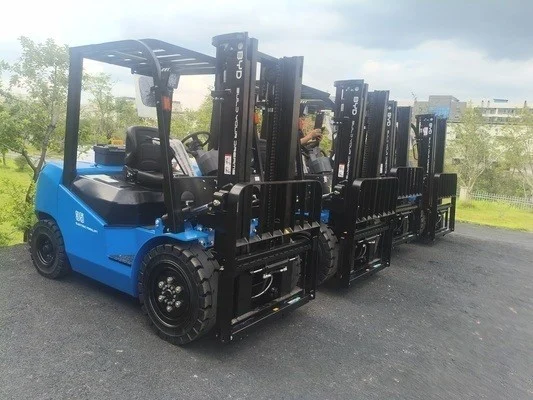
Key upgrades include sufficient dedicated electrical capacity, dedicated charging space, and any required cooling or ventilation systems supporting charging stations. Your local distributor can help you calculate expected upgrade costs based on your site specs.
Compatibility assessment is a critical step toward adding new BYD forklift China products to your warehouse operations. Thorough pre-purchase checks eliminate unexpected disruptions, reduce unplanned upgrade costs, and ensure your new equipment aligns with your current operational capabilities. Always rely on official specifications from authorized distributors to confirm all compatibility details.