Assessing Compatibility Between Warehouse Electric Forklifts And Modern Automated Warehouse Infrastructure
News 09/10/2026
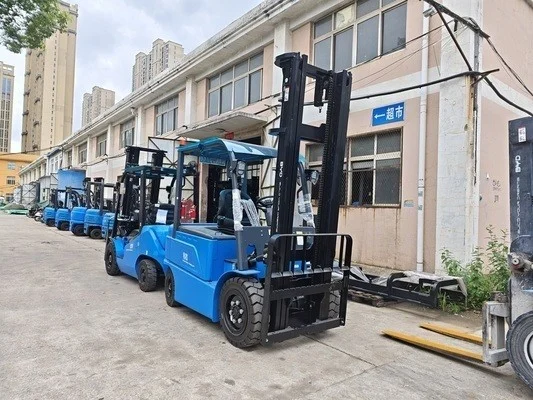
As more operations adopt modern automated warehouse infrastructure, many facility leaders question how their current or new electric warehouse forklifts integrate with these upgraded systems. Poor compatibility leads to workflow disruptions, unexpected downtime, and wasted capital investment. This guide breaks down actionable steps to assess alignment, identify common issues, and implement solutions that support smooth operation.
Core Compatibility Dimensions To Evaluate
Compatibility extends beyond basic physical fit. Several interconnected areas determine how well electric warehouse forklifts work with automated systems.
Communication Protocol Alignment
Modern automated infrastructure relies on standardized data exchange to coordinate movement between forklifts, conveyor systems, automated storage and retrieval systems (AS/RS), and warehouse management systems (WMS). Older electric warehouse forklifts often lack native support of common industrial protocols like MQTT, Modbus TCP, or OPC UA.
Without matching communication protocols, automated systems cannot share real-time location data, task assignments, or safety alerts with forklift operators. This creates conflicts that slow operations or create safety hazards.
Physical Clearance And Dimensional Fit
Automated warehouse layouts typically include narrower aisles, fixed picking positions, and standardized docking locations tailored to automated guided vehicles (AGVs). Traditional electric warehouse forklifts may have wider turning radii or larger overall dimensions that prevent access to narrow storage bays integrated into automated infrastructure.
Additional physical considerations include overhead clearance of lift mast movement around racking sensors and automated gate systems, and ground clearance of any embedded guidance wires or magnetic tape used by AGV navigation.
Power And Charging Integration
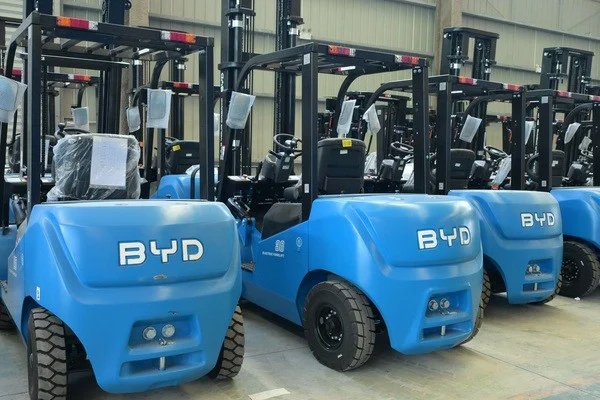
Most modern automated operations run continuous 24/7 schedules. Electric warehouse forklifts require scheduled charging breaks that can disrupt automated workflows if charging stations do not align with system downtime windows. Compatibility also includes integration with battery management systems that share state-of-charge data with the WMS to automatically assign tasks and schedule swaps.
Actionable Compatibility Checks For New And Existing Fleets
Before upgrading infrastructure or purchasing new forklifts, complete these structured checks to avoid post-implementation issues.
Pre-Upgrade Site Survey
Start by mapping all existing fleet dimensions, capabilities, and communication features against the proposed automated layout. Document these details:
- Turning radius, overall width, and maximum lift height of every electric warehouse forklift in your fleet
- Current communication capabilities and any available aftermarket adapter options
- Charging schedules and battery capacity relative to proposed operational demands
- Current safety features required to align with automated system safety protocols
Cross-reference this information with technical specifications provided by your automation vendor to flag obvious mismatches early.
Limited Scope Interoperability Testing
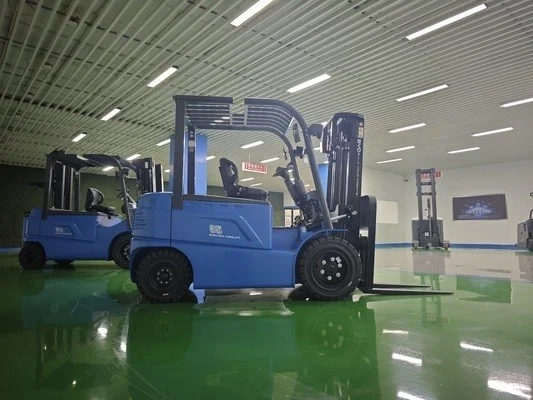
After completing the desktop survey, run a small-scale test in a non-production section of your warehouse. Test how the forklift interacts with key automated systems:
- Navigate through the narrowest aisles to confirm clearance and no accidental trigger of safety sensors
- Complete a full pick and drop cycle to verify WMS task coordination
- Test emergency stop integration between the forklift and surrounding automated systems
This testing reveals hidden issues that desktop surveys miss, like conflicting sensor frequencies between forklift object detection and infrastructure sensors.
Common Compatibility Roadblocks And Solutions
Most compatibility issues have practical, cost-effective solutions:
- Protocol mismatches: Aftermarket protocol adapters can add modern communication support to many late-model electric warehouse forklifts, removing requirement of full fleet replacement.
- Dimensional mismatches: Narrow-aisle electric warehouse forklift models exist to fit most automated layout dimensions, so targeted fleet replacement serving high-traffic narrow aisles often resolves fit issues without full fleet overhaul.
- Charging schedule conflicts: Lithium-ion battery upgrades enable opportunity charging during short breaks, aligning electric forklift operation with continuous automated workflow schedules.
- Safety sensor conflicts: Adjusting sensor frequency or adding shielding prevents cross-interference between forklift and infrastructure sensors.
Frequently Asked Questions
Can older electric warehouse forklifts work with new automated warehouse infrastructure?
Many older models can function alongside new infrastructure with minor upgrades, such as adding communication protocol adapters or updating safety sensors. Full replacement is only required if the forklift has incompatible dimensions or cannot support required safety features.
What safety requirements apply to electric warehouse forklifts in automated facilities?
All forklifts operating in automated facilities need integrated safety systems that can receive emergency stop signals from central infrastructure, and share real-time location data to prevent collisions with automated vehicles. Most modern electric warehouse forklifts support these features with minor configuration changes.
Do I need to replace my entire fleet when adding automated infrastructure?
No, most facilities only need to replace forklifts serving narrow automated aisles or those that cannot support required communication features. Forklifts serving non-automated sections of the warehouse can remain in use without changes.
How much does compatibility upgrade work typically cost?
Costs vary widely based on fleet age, required upgrades, and infrastructure size. Adapter upgrades per single forklift equal a small fraction of a new unit, while full battery upgrades equal roughly half the price of a new forklift. Always get a detailed quote from your vendor before starting any work.
Conclusion
Assessing compatibility between electric warehouse forklifts and modern automated warehouse infrastructure requires structured evaluation across communication, physical fit, and power requirements. Early site surveys and small-scale testing help avoid unexpected downtime and extra costs after implementation. Most operations do not need full fleet replacement, as targeted upgrades and targeted replacements resolve most common compatibility issues. Always cross-reference your fleet specifications with your automation vendor requirements before finalizing any upgrade or purchase plans.