Retrofitting Existing Warehouse Fleets With Electric Forklifts: Key Infrastructure Adjustments And Integration Steps
News 11/10/2026
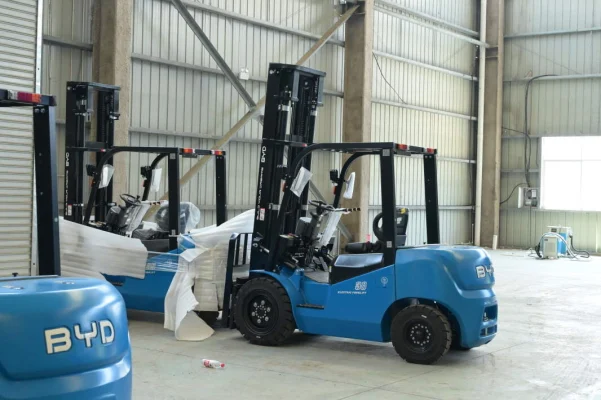
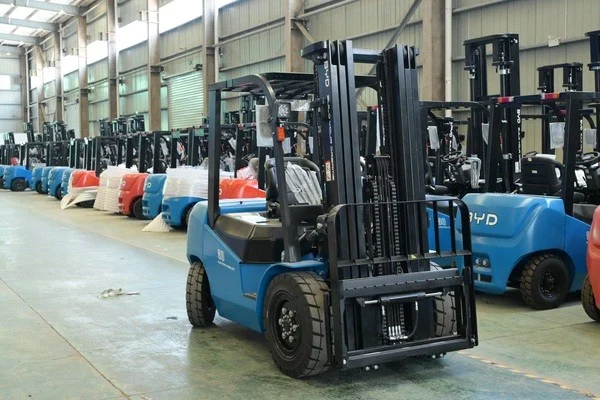
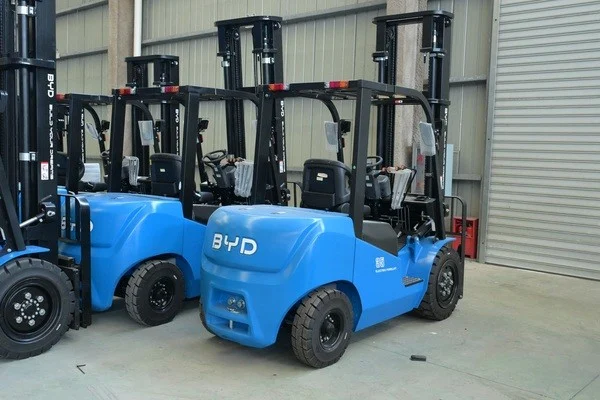
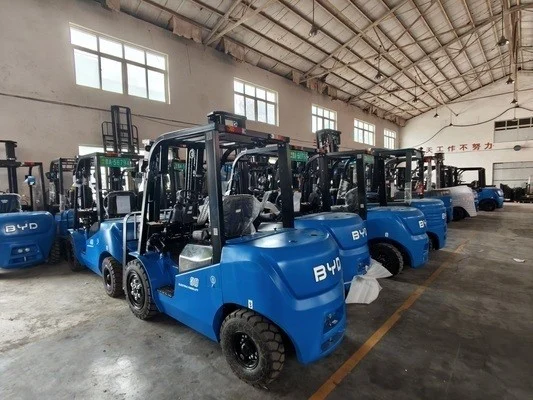
Many warehouse operations currently upgrade older internal combustion forklift fleets to electric models. This transition cuts emissions, lowers noise levels and reduces long-term operating costs. However, retrofitting an existing fleet requires careful planning around infrastructure changes that support reliable daily operation. This guide breaks down key assessment steps, core adjustments and common questions teams address during retrofitting projects.
Initial Site And Fleet Assessment
Map Current Operational Footprint
Start your project by documenting daily operational demands. Count how many forklifts your team uses each shift, note average run time per unit, and identify where vehicles park during breaks and off-hours. This data helps you calculate total energy demand and find optimal charging infrastructure locations. You should also document existing aisle widths, maximum load requirements and any current layout bottlenecks that adjustments can address.
Identify Existing Electrical Capacity Limits
One of the most common unexpected project delays comes from insufficient facility electrical capacity. Older warehouses often have lower main transformer capacity that cannot support multiple high-power fast chargers running simultaneously. Contact a licensed industrial electrician to conduct a full audit of your main service, distribution panels and available circuit capacity. Share your total charger count and power requirements with the electrician to confirm whether upgrades are needed before installation starts.
Core Infrastructure Adjustments And Integration Steps
Charging Station Placement And Installation
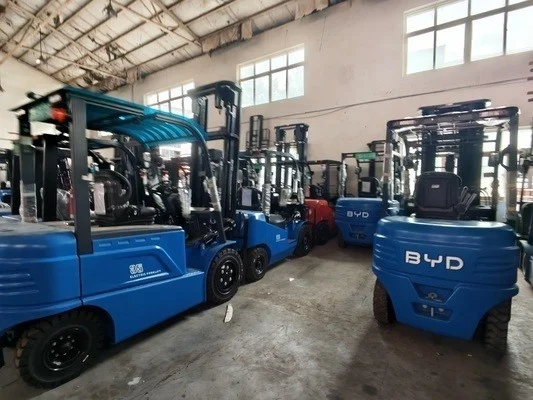
Choose charging station locations based on your operational shift structure. Single-shift operations can use a centralized charging area that holds all vehicles during off-hours. Multi-shift operations benefit from distributed opportunity charging placement near regular vehicle parking spots, so drivers can top up batteries during breaks. Lead-acid battery systems require dedicated ventilation space and acid spill containment areas. Lithium-ion battery systems offer more placement flexibility, with no special ventilation requirements. All installations must comply with local electrical and fire safety codes.
Fleet Management System Integration
Most modern warehouse electric forklifts connect to cloud-based fleet management platforms. These platforms track battery health, usage hours and maintenance needs. If your operation already uses a warehouse management system (WMS) or enterprise resource planning (ERP) tool, check API compatibility between your new fleet system and existing software. Many vendors offer pre-built integrations, while others require simple middleware to connect systems. Schedule full training for your operations and maintenance teams to use new monitoring features effectively.
Layout And Structural Adjustments
Electric forklifts often have different weight distribution than comparable internal combustion models. Heavy-duty electric units can have higher total weight than similarly rated internal combustion models, so you should conduct a ground load assessment of your warehouse floor. Older concrete floors with significant wear may need reinforcing to support additional weight. Charging areas require non-slip surface treatment and clear marking to separate pedestrian traffic from vehicle movement. Fire code requirements often mandate clear space around banks of chargers, so plan layout accordingly.
Frequently Asked Questions
Can I use my existing electrical setup to power new charging stations?
This outcome depends on your facility’s total existing power draw and the number of new charging stations you add. Slow chargers under 3kW typically work with existing residential or light commercial circuits. Fast high-capacity chargers designed for multi-shift operation almost always require upgraded electrical service from your local utility. Always complete a professional electrical audit before committing to installation work.
What is the most common challenge during warehouse fleet retrofitting projects?
Insufficient electrical capacity tops the list of unexpected challenges. Many facility leaders underestimate total power demand when adding multiple chargers, leading to costly last-minute upgrades that push project timelines back by weeks or months. Completing the electrical audit early in planning avoids this issue.
Do I need full warehouse layout reconstruction after switching to electric forklifts?
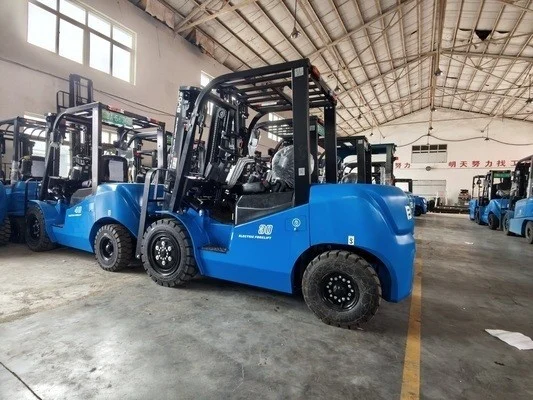
Full reconstruction is rarely needed. Most warehouse electric forklifts match size and turning radius specifications of older internal combustion models, so aisle widths rarely need changes. You will need dedicated charging station space, which often comes from reconfiguring unused storage or underutilized parking areas. Minor layout adjustments are typically sufficient to accommodate new infrastructure.
Retrofitting your existing warehouse fleet to electric forklifts delivers long-term operational benefits, but successful projects depend on careful upfront infrastructure planning. Completing a full site assessment early, addressing electrical capacity gaps and planning layout adjustments before installation starts reduces costly delays and ensures your new fleet operates reliably from day one.