Assessing Total Cost of Ownership When Sourcing Electric Forklifts Available Near Me
News 08/10/2026
Many warehouse, distribution and manufacturing operations prioritize local options when adding new material handling equipment. Local sourcing simplifies delivery, in-person inspections and quick access to service support. However, most buyers focus only on upfront price tag when evaluating options, ignoring long-term costs that impact operational budgets across equipment lifespan. Total cost of ownership (TCO) assessment captures all expenses associated with owning and operating a forklift, helping teams make choices that fit long-term financial goals.
Core TCO Components Local Sourcing Impacts
Upfront Acquisition Costs
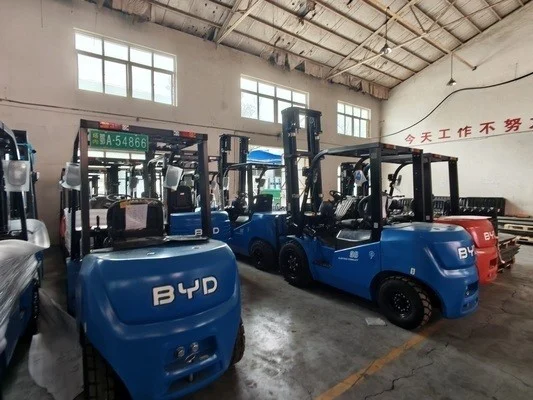
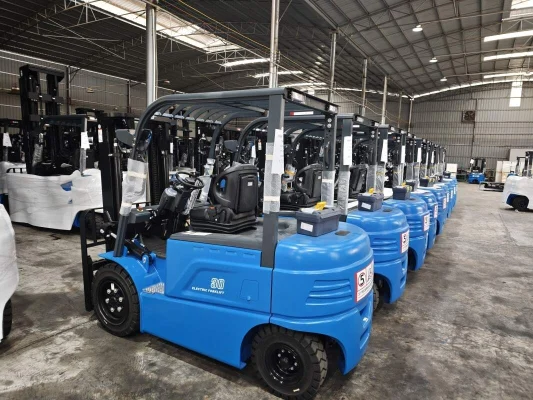
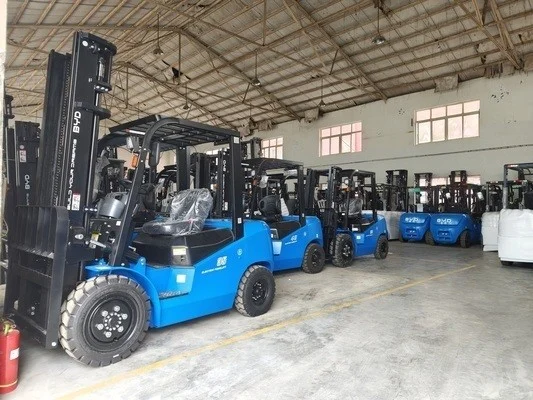
Local inventory often includes both new and refurbished electric forklifts, with price points that vary based on lift capacity, battery type, and added features. Local suppliers sometimes offer reduced delivery fees compared to out-of-region vendors, since equipment travels shorter distance to your facility. Some local dealers include complimentary initial inspection and operator orientation as part of acquisition package, cutting extra costs your team would otherwise cover.
One illustration: a 5,000 lb capacity new electric forklift from a local dealer may have a slightly higher upfront sticker price than a unit ordered from an out-of-state supplier, but lower delivery costs and included setup bring total initial expenditure closer, or even lower, than the remote option.
Ongoing Energy and Battery Costs
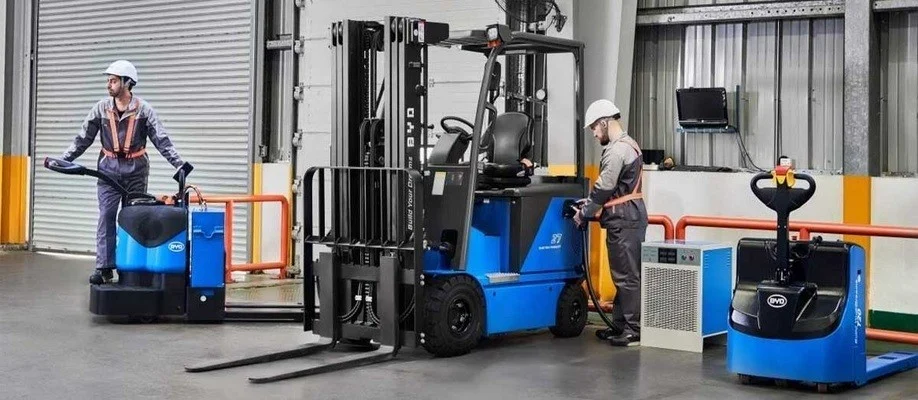
Electric forklifts rely on lead-acid or lithium-ion batteries, each with different long-term cost profiles. Local sourcing lets you test battery configurations in person before purchase, so you match battery runtime to your daily shift needs. If you operate multiple shifts, you may need extra batteries or fast-charging infrastructure. Local suppliers can help you source compatible charging equipment aligned with your facility’s existing power setup, avoiding costly compatibility errors after installation.
Local dealers also often service and replace batteries on-site, reducing wait times compared to ordering replacement parts from distant suppliers. This keeps energy-related maintenance costs predictable across equipment lifespan.
Maintenance and Repair Expenses
Local dealer networks provide faster response times when your forklift needs repair. Most local dealers keep common replacement parts in stock, eliminating extended shipping wait times that increase repair costs. Many local sourcing agreements include bundled service plans that spread annual maintenance costs across predictable monthly payments, helping with budget planning.
Limitations exist here: smaller local dealers may not stock parts matching rare or specialty forklift configurations, leading to longer wait times and higher costs with custom units. Confirm parts availability matching your specific model before completing purchase.
Downtime Costs and Resale Value
Unplanned forklift downtime halts production and order fulfillment, leading to lost output and missed delivery deadlines. Local service teams can often respond within 24 hours or less, compared to multiple days wait with out-of-region service providers. This reduces total unplanned downtime annually, cutting associated lost revenue.
When you reach end of your forklift’s usable life with your operation, local dealers often offer trade-in credit toward your next equipment purchase. This boosts resale value compared to selling the unit privately, since dealers already have network ready to connect the used unit to new buyer.
Practical TCO Assessment Steps Your Team Can Follow
Follow these actionable steps to calculate accurate TCO before you finalize local forklift purchase:
- List all expected annual operating hours, shift count and facility load requirements. This helps you eliminate models that don’t match your needs, avoiding overpayment on unused capacity or underinvestment in equipment that wears out too fast.
- Gather full cost breakdowns from each local supplier, including delivery, setup, initial training, warranty coverage, and annual service plan pricing. Don’t leave hidden unaccounted expenses that add up over time.
- Calculate cumulative costs across expected equipment lifespan (most electric forklifts last 8 to 12 years with proper maintenance). Compare cumulative total cost across options, not just upfront price.
- Factor in potential downtime costs based on supplier response time guarantees. Even a small difference in annual downtime can add up to thousands in lost revenue across a decade.
As a common use case, a regional 2-shift distribution center comparing two local electric forklift options found the model with $3,000 higher upfront price had $12,000 lower cumulative TCO over 10 years, thanks to lower annual maintenance costs and longer battery lifespan. This shows why TCO assessment delivers far better decision outcomes than focusing only on initial cost.
Frequently Asked Questions
How does local sourcing impact electric forklift TCO compared to remote purchasing?
Local sourcing typically reduces delivery costs, speeds up service response, lowers downtime and increases potential trade-in value. These benefits often offset any small difference in upfront price, leading to lower long-term TCO. The main exception occurs when local inventory doesn’t include the exact configuration your operation needs, forcing you to accept a less suitable model that raises long-term costs.
What hidden costs should I include in electric forklift TCO calculations?
Common hidden costs include delivery and setup fees, operator training, battery replacement, charging infrastructure installation, emergency repair callout fees, and downtime-related lost revenue. Many teams forget to factor in downtime costs, which often make up 10 to 20 percent of total ownership cost across equipment lifespan.
Do used electric forklifts from local dealers have lower TCO than new units?
It depends on your operation’s needs. Used local units have lower upfront acquisition cost, but often come with shorter remaining lifespan, shorter warranty coverage, and higher annual maintenance costs. Low-usage operations running only one shift a few days each week often see lower TCO with used local forklifts. High-volume multi-shift operations typically get lower long-term TCO from new units with full warranty and modern batteries.
Can I adjust TCO calculations if I plan to upgrade forklifts before end of lifespan?
Yes. If you plan to replace your forklift after five years rather than 10, adjust your calculations to include expected trade-in or resale value at that five-year mark. Local dealers often publish expected trade-in values matching models they sell, making this adjustment easy to complete.
Final Considerations: Local Electric Forklift Sourcing
TCO assessment gives your team clear, data-driven insight into long-term costs of any electric forklift you source through local suppliers. Always visit local dealer locations to inspect available units in person, test lift capacity and ergonomics matching your operators, and confirm service and parts availability before completing purchase. This process ensures your final choice aligns with both short-term budget and long-term operational goals.