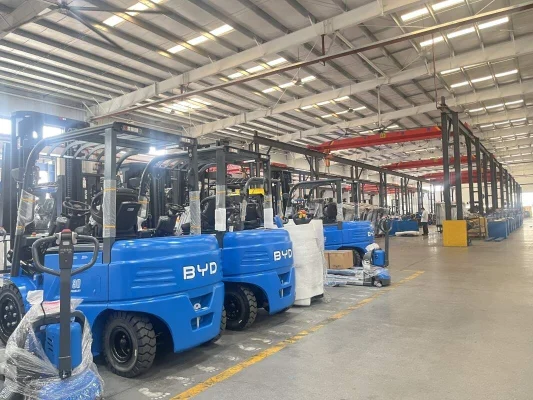
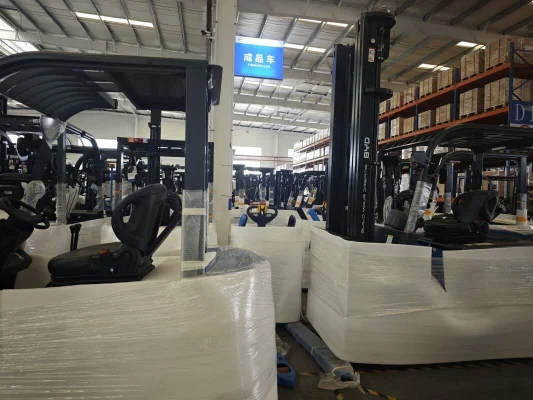
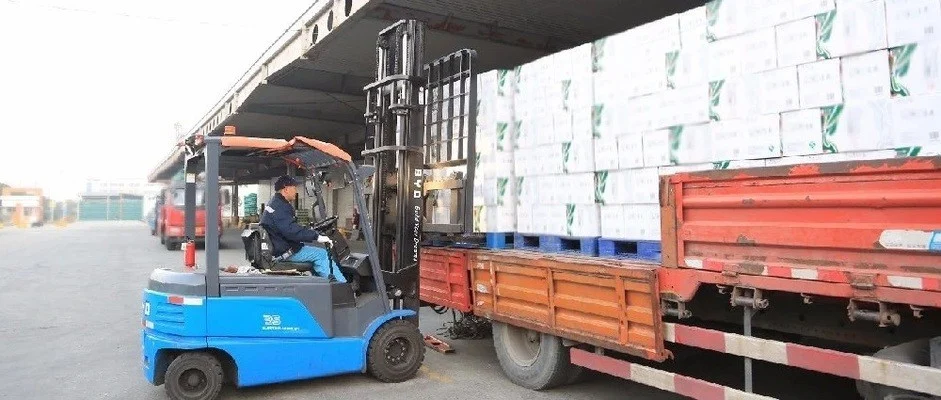
Residual Value Analysis Refines BYD Forklift Price Evaluation Among Industrial Procurement Teams and Technical Decision Makers
News 16/10/2026
Many industrial procurement teams focus solely on initial purchase figures when assessing BYD forklift price. This narrow approach overlooks one critical component of long-term cost: residual value. Residual value represents the expected market value of a forklift at the end of your planned ownership term. Including this metric in your evaluation creates more accurate total cost comparisons, leading to better long-term investment decisions.
Core Factors Shaping BYD Forklift Price Evaluation
Initial purchase price makes up only part of the total cost of owning a forklift. Most procurement teams recognize total cost of ownership includes maintenance, energy and repair expenses. Few consistently incorporate residual value into their initial calculations, even though this metric can swing net cost by double-digit percentages.
BYD electric forklifts have different residual value drivers than traditional internal combustion models. Key drivers include:
- Battery chemistry and remaining capacity after years of use
- Brand recognition and demand within regional used equipment markets
- Overall unit build quality and durability
- Expected remaining service life matching your operational needs
These factors interact to set the final residual value your team can expect when you sell or retire the unit.
How Residual Value Analysis Refines Total Cost Calculations
Many teams prioritize lower initial costs to meet annual budget constraints, but this approach leads to higher net long-term costs when residual value remains unaccounted. Residual value analysis adjusts your initial price assessment to reflect net long-term cost. The basic framework replaces static initial price with net ownership cost calculation: initial purchase cost minus projected end-of-term residual value equals your net long-term equipment cost.
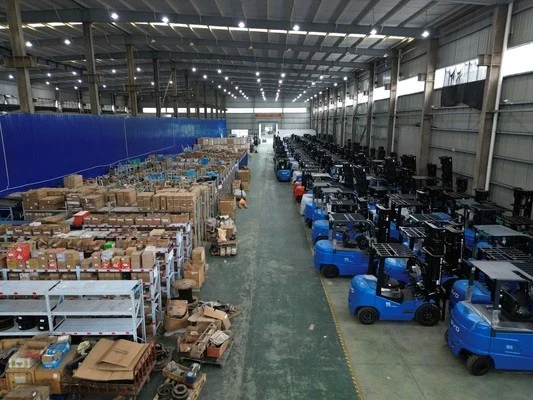
One example: Two different forklift models may have similar initial price points. The BYD model may hold higher residual value thanks to longer battery life, leading to lower net ownership cost over your planned ownership term. This difference changes the outcome of your comparison, even with matching initial prices.
This approach aligns equipment evaluation with your team’s long-term capital planning goals. It helps you separate lower initial cost options from options that deliver better overall capital returns through the full ownership cycle.
Key Verification Points During Procurement
Before you finalize any decision, your team should confirm these critical details to build accurate residual value projections:
- Confirm battery warranty terms and remaining capacity projections matched to your expected annual usage hours. BYD’s lithium iron phosphate batteries have different capacity retention rates than other battery types, so you need projections aligned with your operating conditions.
- Review recent resale data on electric forklifts within your regional market. Demand for used electric material handling equipment grows in many regions, but local market conditions shift residual value levels.
- Document your planned ownership term upfront. Residual value projections change based on how long you plan to keep the unit before resale.
- Clarify end-of-life recycling options. Some recycling programs offer payment to intact lithium iron phosphate batteries, adding extra value to retired units.
All these details help you avoid overly optimistic residual value projections that skew your final price evaluation.
Frequently Asked Questions
Does residual value apply only to used BYD forklifts?
No. Procurement teams apply residual value analysis to new and used units alike. New unit purchases include long-term ownership cost projections that factor expected resale value at the end of your planned ownership term. Used unit evaluations rely on residual value to estimate how much value the unit will hold after you purchase it.
What impacts BYD forklift residual value most?
Battery health and remaining useful life drive most of a unit’s residual value. BYD’s lithium iron phosphate battery designs typically hold capacity longer than older lead acid alternatives, but actual operating conditions directly affect long-term capacity retention. Extreme temperatures and high daily usage can speed capacity loss, reducing residual value. Regional demand for used electric forklifts also shifts residual value levels.
Can I update residual value projections mid-ownership?
Yes. Teams can update projections annually based on actual usage and maintenance logs. Unexpected high usage or missed maintenance can reduce expected residual value, just as low usage and consistent upkeep can increase it. Annual updates help your team adjust capital planning and make better decisions around equipment replacement timing.
Accurate BYD forklift price evaluation requires more than reviewing initial sticker price. Residual value analysis adds context your team needs to make informed capital decisions aligned with long-term operational and financial goals. Always verify projections against your local market conditions and your own operational needs to avoid costly evaluation errors.