BYD Forklift Purchase Planning: Matching Battery and Charging Capacity to Multi-Shift Four-Wheel Counterbalance Electric Operations
News 21/10/2026
Multi-shift material handling operations demand reliable power setups within four-wheel counterbalance electric forklifts. This guide helps you structure your BYD forklift procurement planning around proper battery and charging capacity matching your specific operational needs.
Core Operational Parameters You Need Document
Total Daily Operating Hours
Sum all operating time across every shift you run each day. This number directly determines your required total energy output from your forklift battery. Include time spent moving loads, not just idle time, to get an accurate calculation. Even small gaps in documented operating time can lead to undersized battery setups that cause unexpected downtime.
Load and Operating Environment Details
Average load weight, maximum lift height and typical travel distance all impact energy consumption per hour. Heavier loads and higher lifts draw more power from the battery. Extreme temperatures also change available battery capacity, so document if your operations run outdoors or in temperature-controlled spaces.
Site Charging Access
Confirm your site’s available power grid capacity near forklift parking and charging zones. Note any break windows between shifts where you can pause operations during charging. This helps you decide between fast charging, opportunity charging and battery swap setups.
Matching Battery and Charging Configurations To Multi-Shift Needs
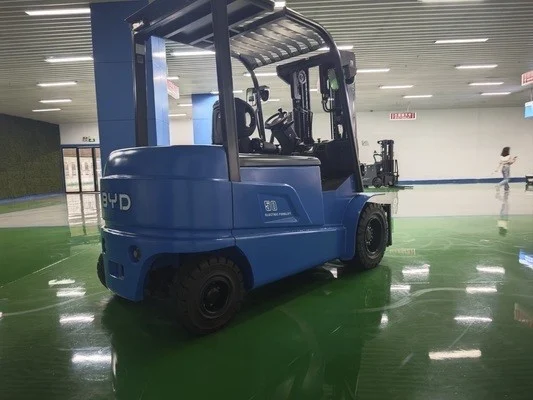
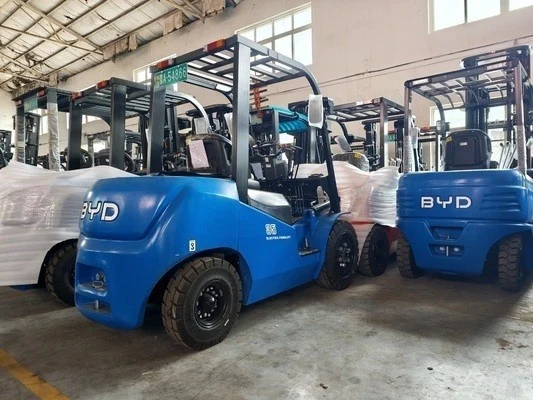
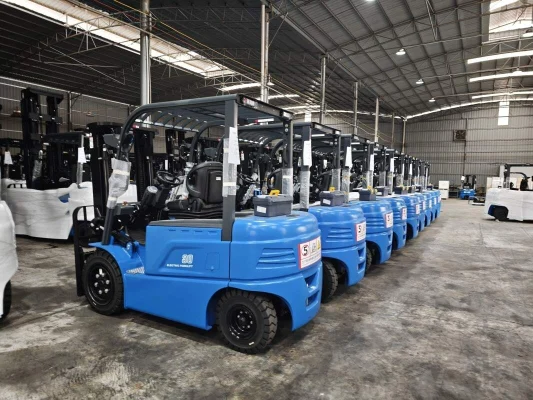
BYD four-wheel counterbalance electric forklifts use lithium iron phosphate batteries, which offer different configuration options based on your shift structure.
Two-Shift Daily Operations
Operations running two shifts per day with a 30+ minute break between shifts can use a single standard capacity battery paired with a fast charging setup. Fast charging during the break will replenish enough power to cover the second shift’s needs. This setup reduces upfront cost relative to dual battery configurations.
Three-Shift Continuous Operations
Three-shift continuous operations with no extended break windows can use either a higher capacity single battery with opportunity charging during brief operator breaks, or a dual battery setup that lets you swap depleted batteries out and replace them with charged units during shift changes. Opportunity charging relies on short, frequent charging sessions during operator breaks or load exchange pauses, so it fits sites that cannot accommodate full battery swaps. Both options keep operations running without extended downtime.
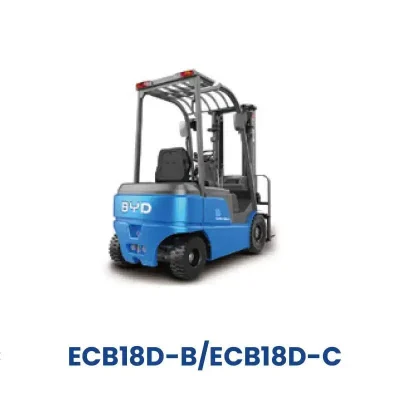
Always align charging infrastructure capacity with your battery’s rated charging specifications. Mismatched charging hardware can reduce battery service life over time.
Frequently Asked Questions
Does regular fast charging damage BYD lithium batteries?
BYD engineers lithium batteries to accept planned fast charging within published manufacturer specifications. You still need confirm your charging setup matches the battery’s rated input to avoid unnecessary wear.
What information do I share to get correct configuration recommendations?
You need share your total daily operating hours, average maximum load weight, site power capacity, shift break structure and any ambient temperature extremes your operations face. This data helps suppliers tailor battery and charging options to your needs.
Can I upgrade battery capacity after my initial purchase?
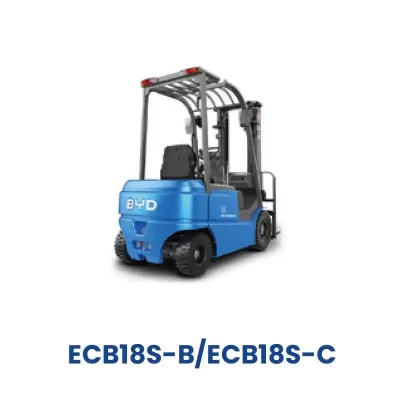
Some BYD four-wheel counterbalance electric forklift models support battery capacity upgrades, but compatibility depends on your specific model frame and chassis design. You need confirm upgrade availability during your initial procurement planning if you expect future increases in operating time or load requirements.
After you gather all your operational data, you can connect with our team to review available BYD four-wheel counterbalance electric forklift configurations aligned with your multi-shift operational needs.