2 ton electric forklift: Turning Radius Directly Impacts Usable Storage Density In Commercial Warehouse Layouts
News 19/10/2026
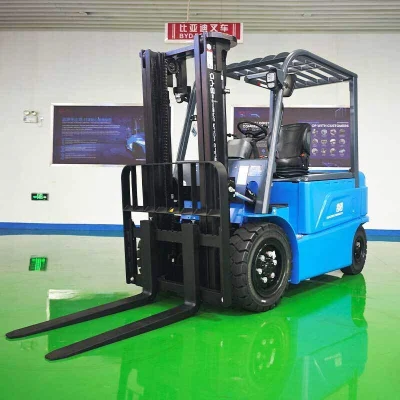
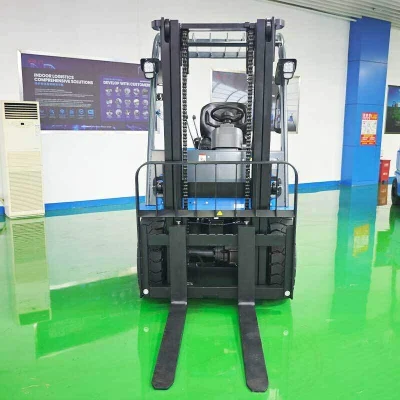
Commercial warehouses rely on efficient space use to boost overall operational capacity. When you select a 2 ton electric forklift, its turning radius directly changes how narrow your warehouse aisles can go. Narrower aisles let you add more storage racks or increase rack depth, which directly raises the total number of pallets your facility can hold. A wider turning radius forces you to widen aisle clearance, which cuts into available space that could otherwise hold inventory. Many operations leave 10 to 15 percent more open space than necessary when they mismatch forklift turning radius to their layout, leading to wasted storage capacity that adds costs over time.
How Turning Radius Shapes Usable Storage Density
The Relationship Between Aisle Width and Turning Radius
Minimum aisle width requirement comes directly from a forklift’s turning radius, combined with your pallet size and load overhang. To turn into a rack opening or reposition within an aisle, a 2 ton electric forklift needs enough open space to complete the turn without hitting rack legs, stored product, or adjacent equipment. Smaller turning radius lets you operate safely in narrower aisles, which translates directly to more storage bays across your entire warehouse footprint.
Every foot of aisle width you can reduce adds multiple feet of usable storage space along the length of your warehouse. A 2 foot reduction in aisle width across 20 parallel storage aisles frees up enough space to add an entirely new aisle of racks, increasing total storage capacity by up to 5 percent depending on your overall facility size. This gain directly improves your operational flexibility and reduces the need costly warehouse expansion projects.
Key Specifications That Impact Layout Design
Not all turning radius measurements use the same standard across manufacturers. Always confirm which measurement method your supplier uses, because mismatched measurements can lead you to choose a model that does not fit your existing aisle widths. Below is a breakdown of key specs to evaluate:
| Specification | Why It Matters To Commercial Warehouses | Items To Confirm With Your Supplier | Available Configuration Options |
|---|---|---|---|
| Outer turning radius | Determines the minimum clearance needed to complete a full turn | Confirm measurement reference point: some manufacturers measure from center of the front axle, others from outer tire edge | Core model spec, varies by chassis design |
| Clear turn aisle width with full load | Defines actual operating clearance required under your typical working conditions | Test with your standard loaded pallet size to match real world use | Standard configurations list this value, some models offer adjusted axle settings for tighter turns |
| Mast tilt range | Changes clearance needed when maneuvering loads into rack positions | Confirm maximum tilt when loaded at full rated lift height | Factory set on most models, adjustable mast positioning available as upgrade |
| Rear axle steering type | Affects responsiveness of turning moves within tight spaces | Check if articulated or four-wheel steering changes overall turning radius | Fixed standard steering, articulated steering, rear-wheel steer options |
Counterbalance models among 2 ton electric forklift typically carry wider turning radius than reach or narrow aisle models. That means counterbalance units work best in wider aisle layouts, while reach units suit facilities focused on higher storage density.
Tradeoffs and Selection Guidance For Commercial Warehouse Projects
Choosing a 2 ton electric forklift with a smaller turning radius gives you higher storage density, but it comes with tradeoffs you need to evaluate before you purchase:
- Smaller turning radius models often carry higher upfront purchase costs compared to standard counterbalance 2 ton electric forklift
- Narrow aisle models may have lower maximum lift height or reduced load capacity at full height compared to wider turning units
- Operations that combine long distance travel between loading docks and storage areas may see slower travel speeds with narrow aisle models, which can impact overall throughput
- Tighter turning designs require more precise operator training to avoid contact with racks or stored product
If your warehouse already has an existing fixed layout, you need to measure your current minimum aisle width before you select a new 2 ton electric forklift. Do not rely solely on published turning radius specs; complete a trial maneuver with a loaded test pallet matching your standard size to confirm the unit can turn safely within your existing aisles. If you design a new warehouse layout from scratch, you can align your aisle width to the turning radius of your selected forklift to maximize usable storage from day one.
Your overall operational goals shape your selection. If you prioritize higher storage capacity to handle growing inventory levels, a 2 ton electric forklift with smaller turning radius will deliver long term value through increased storage density. If you prioritize higher throughput and lower upfront cost, and you have enough existing space to support wider aisles, a standard turning radius model fits your needs better.
Frequently Asked Questions
Does a smaller turning radius reduce my 2 ton electric forklift load capacity?
Some compact turning radius designs adjust load capacity to maintain structural stability. Always confirm the full load chart from your supplier, especially when you work with maximum rated lift heights. Any change to turning radius or steering design changes the forklift’s center of gravity, so you need to verify that the unit can handle your typical maximum load at your most common lift height.
Can I modify my existing 2 ton electric forklift to reduce its turning radius?
Most standard 2 ton electric forklift cannot be modified to change turning radius after manufacturing. Turning radius comes from core design elements like axle placement, wheelbase length, and steering geometry, which you cannot alter without compromising the unit’s structural safety and stability.
How does turning radius affect operator safety in commercial warehouses?
When a forklift operates in an aisle narrower than its required turning clearance, operators must make multiple reverse adjustments to complete turns. This increases risk of accidental contact with racks, product, or pedestrian workers. Matching turning radius to your aisle width gives operators clear space to complete maneuvers smoothly, which reduces accident risk across your facility.
What should I measure before I order a new 2 ton electric forklift?
You need to measure your existing aisle width between rack legs, your standard pallet size and load overhang, your maximum required lift height, and your typical maximum load weight. Share all these measurements with your supplier, so they can confirm that their recommended model’s turning radius works safely within your layout.
Before you finalize any purchase, confirm all specs against your actual warehouse conditions. Prioritize verified turning radius and aisle clearance requirements to ensure you get the storage density gains you expect without sacrificing safety or operational efficiency.