How Environmental Factors Impact Cold Storage Electric Forklift Component Lifespan
News 17/10/2026
Cold storage operations place unique stress on electric forklift components. Temperature swings, moisture, and ice buildup accelerate wear much faster than normal room temperature warehouse conditions. Understanding these impacts helps fleet managers select appropriate equipment and plan maintenance to avoid unexpected downtime.
Key Environmental Factors Affecting Component Lifespan
Extreme Low Temperatures
Low temperatures change material properties across most forklift components. Rubber seals and hoses harden and crack over time, leading to hydraulic leaks. Standard lead-acid and lithium-ion batteries lose available capacity when operating below room temperature, and unregulated battery management systems force deeper discharges that shorten overall battery life. Low temperatures also thicken standard hydraulic fluids, increasing pump strain and reducing component efficiency. These changes add consistent extra stress that adds up over months of operation, cutting functional lifespan of affected parts.
Temperature Fluctuations and Moisture Condensation
Forklifts moving frequently between cold storage areas and ambient temperature loading docks face repeated condensation buildup. Moisture seeps into wiring connections, control panels, and sensor assemblies, leading to corrosion and intermittent electrical failures. Ice crystals can form on moving components such as door hinges, mast rails, and brake mechanisms, increasing abrasive wear with each cycle. Over time, this repeated expansion and contraction of materials also weakens joints and connection points.
Ice and Chemical Residue
Many cold storage facilities use de-icing chemicals on floors and loading areas. These residues can corrode metal chassis components and eat away at standard paint coatings, leading to premature rust formation. Ice buildup on mast chains and lifting mechanisms adds extra stress to load-bearing parts, increasing wear rates beyond rated design limits. Wet, slippery cold storage floors also increase brake use, which accelerates wear on brake pads and rotors over time.
Critical Pre-Purchase Configuration Checks
Not all electric forklifts come ready for consistent cold storage use. Fleet managers need to verify each of these configurations before placing an order, based on their facility’s specific working conditions.
Battery and Energy System Specifications
Verify manufacturer-rated minimum operating temperature and minimum charging temperature for your battery system. Ask about integrated battery heating options, which maintain optimal cell temperature during operation and charging. Confirm how low temperatures impact available capacity, so you can match battery size to your shift length requirements. Check battery enclosure sealing to block moisture intrusion from condensation.
Material and Protection Ratings
Check that all rubber seals, gaskets, and hoses use low-temperature-rated materials designed to stay flexible in cold conditions. Confirm wiring harnesses and electronic components have appropriate sealed enclosures to block moisture and condensation. Ask if hydraulic systems come pre-filled with low-temperature hydraulic fluid, and what lubricant specifications are required for ongoing maintenance. Confirm chassis and undercarriage have corrosion-resistant coatings to handle de-icing chemical exposure.
Brake and Control System Ratings
Confirm brake components use corrosion-resistant materials to handle repeated moisture exposure. For enclosed operator cabs, check that defogging and defrosting systems meet your needs for consistent visibility. For cold storage units with open operator areas, check that display screens and control interfaces operate reliably at your facility’s lowest temperature.
Common Cold Storage Electric Forklift Type Comparison
The following table outlines general use cases and key check points based on common forklift types. Always confirm compatibility with your specific facility conditions before purchase:
| Forklift Type | Best Suited Operation | Key Potential Risks | Items to Confirm With Supplier |
|---|---|---|---|
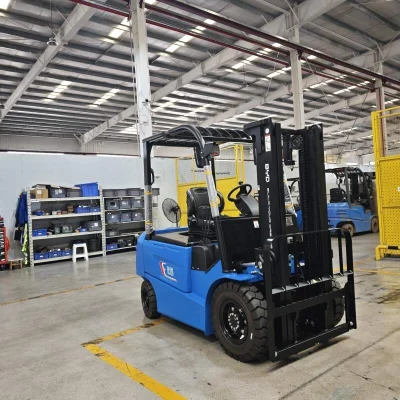
| Counterbalance | Intermittent cold storage entry, open areas, mixed loading tasks | Higher exposure to temperature swings when crossing between zones | Condensation protection for all electronics, low-temperature seal ratings |
| Reach Truck | High-bay cold storage, narrow aisles, continuous cold storage operation | Extended low-temperature exposure reduces mast component life without proper preparation | Cold-rated mast chain lubrication, sealed tilt sensors, door seal integrity |
| Pallet Jack | Horizontal transport, floor storage, high throughput operations | Wheel and brake components face constant exposure to ice and de-icing chemicals | Corrosion-resistant axle components, sealed battery enclosures |
| Stacker | Low to mid level storage, small cold storage rooms | Limited space can trap moisture around lower chassis components | Under-chassis corrosion protection, low-temperature hydraulic fluid pre-fill |
All compatibility ratings depend on your facility’s specific conditions, such as lowest operating temperature, frequency of cross-temperature travel, and aisle width. Always share your operational details with your supplier to get accurate configuration recommendations.
Frequently Asked Questions
Can standard room-temperature electric forklifts work short term in cold storage?
Some operations use standard forklifts for occasional cold storage entry. However, even intermittent use accelerates component wear. You will likely see premature seal cracking, battery capacity loss, and electrical corrosion far earlier than you would with a properly configured cold storage unit. Short term use is possible, but plan for faster replacement of worn components.
How often should I perform maintenance on cold storage electric forklifts?
Maintenance frequency depends on operating conditions and usage intensity. Facilities with continuous operation at extremely low temperatures or frequent cross-temperature travel need more frequent inspections than those with intermittent use. Plan additional quarterly checks for seal integrity, battery health, and corrosion on chassis components, regardless of overall usage hours.
Should I store cold storage electric forklifts inside the cold room between shifts?
If your forklift operates continuously inside cold storage, storing it in the cold room avoids condensation buildup from temperature swings when moving in and out. If your unit only enters the cold room periodically, storing it at ambient temperature reduces overall cold exposure. Match your storage practice to your typical daily operation pattern.
What protection helps prevent condensation damage on cross-temperature operations?
Sealed electronic enclosures, corrosion-resistant coating on metal components, and daily wipe-downs of moisture after cross-temperature runs reduce condensation damage. Some operations also use insulated enclosures for control modules to limit temperature swings that cause condensation. Regular inspection of wiring connections can catch early corrosion before it causes failures.
Before purchasing any electric forklift suited to your cold storage operation, compile your facility’s core operational data: lowest operating temperature, average daily hours of use, frequency of cross-temperature travel, aisle width, and maximum load size. Share this information with your supplier to confirm all required configurations are included, and get written confirmation of temperature ratings and component specifications in your purchase agreement. This step helps avoid unexpected premature component failure and costly downtime after delivery.