Critical Tire Selection Considerations Cold Storage Electric Forklift Applications
News 20/10/2026
Operating electric forklift in cold storage brings unique challenges; tire selection sits among the most critical decisions impacting safety, efficiency and equipment lifespan. Wrong tire choices lead to premature cracking, reduced traction, higher downtime and increased safety risks to facility staff. This guide breaks down key considerations that help you make informed decisions matching your operation needs.
Core Environmental Challenges Impacting Tire Performance
Cold storage facilities maintain consistent ambient temperatures well below standard ambient room ranges, often dropping below 0°C in frozen food or pharmaceutical storage. Standard rubber compounds harden in these low temperatures, losing flexibility and developing cracks along sidewalls and tread surfaces. Many cold storage facilities also deal with regular condensation, ice buildup on floors and occasional spilled product that creates slippery conditions. Forklifts in these settings operate multiple shifts daily, with constant travel up and down aisles, across loading docks and through temperature transition zones between cold storage and warmer processing areas. These temperature swings add extra stress to tire materials, accelerating wear and material breakdown.
Key Material Selection Criteria
Low Temperature Rated Rubber Compounds
Not all rubber compounds handle consistent cold exposure. Specialized low temperature blends retain flexibility even at sub-zero operating temperatures, reducing crack formation and extending service life. Always check a tire manufacturer’s published temperature rating to confirm compatibility with your facility’s minimum ambient temperature. Blends designed in warm indoor warehouses will fail quickly in cold storage settings.
Tire Construction Type Comparisons
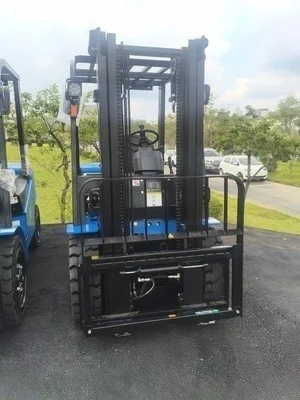
- Solid Tires: These tires resist punctures from stray debris common in cold storage loading areas. Their rigid structure supports heavy, consistent loads well, making them well suited to high volume operations. Most solid tire manufacturers offer low temperature compound options purpose built to suit cold storage use.
- Cushion Tires: Compact profiles make cushion tires well suited to narrow aisle operations inside modern cold storage facilities. They deliver precise maneuverability in tight spaces, which improves storage density and operating speed. Confirm the rubber compound carries a low temperature rating before purchase.
- Pneumatic Tires: Pneumatic options offer better shock absorption when operating across uneven outdoor loading aprons or unimproved surfaces connected to cold storage sites. They require low temperature rated inner tubes and outer rubber to avoid cracking and air leaks in cold conditions.
Traction And Load Capacity Matching
Slippery floors from ice and condensation make traction a top safety priority. Tread design directly impacts traction performance on cold, wet or icy surfaces. Open, self-cleaning tread patterns push away ice, water and debris from the contact patch, maintaining consistent grip during acceleration and braking. Closed tread patterns offer smoother ride on flat dry cold storage floors but can trap ice, reducing grip in moist conditions.
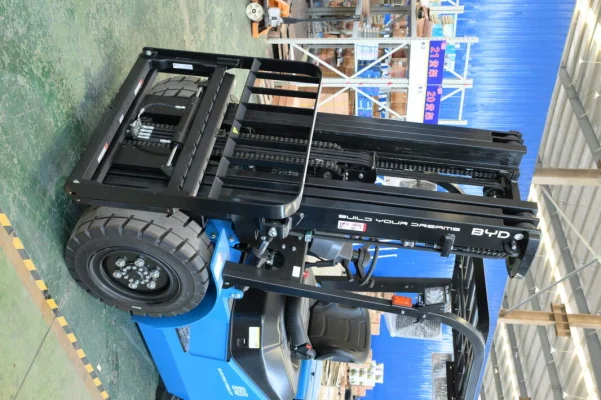
Load capacity matching also matters. Electric forklifts carry consistent heavy loads through cold storage aisles, so your selected tires must meet or exceed the forklift axle load rating specified by the equipment manufacturer. Underrated tires wear faster and increase risk of tire failure under heavy load. Most tire manufacturers list maximum load capacity per tire at specific operating pressures, so you can cross reference this data against your forklift specifications.
Maintenance And Longevity Factors
Even high quality low temperature tires require regular inspection to catch early signs of damage. Cold temperatures make rubber more brittle, so small cracks can spread quickly leading to catastrophic failure. Schedule monthly inspections to check sidewall cracking, tread wear and punctures.
When storing spare tires, keep them in a dry, temperature controlled area away from direct sunlight. Exposing spare tires to constant extreme cold when not in use can degrade rubber compounds before they even enter service. Rotate tires regularly if your forklift operates primarily on one side of the aisles to even out tread wear.

Frequently Asked Questions
Are all low temperature tire compounds rated below -20°C?
Many manufacturers offer multiple compound grades matching different cold storage temperature ranges. Some compounds work well down to -10°C in cool storage applications, while other specialized blends handle temperatures as low as -40°C in deep frozen storage. Always confirm the rated minimum operating temperature matches your facility’s actual ambient temperature before placing an order.
Can existing standard tires be modified to work in cold storage?
Standard warehouse tires cannot be modified after manufacturing to improve low temperature performance. Any aftermarket treatment will not change the base rubber compound properties, so cracks and hardening will still occur over time. The only reliable solution involves fitting tires purpose built with low temperature rated compounds.
How does frequent temperature transition affect tire life?
Forklifts that move between cold storage and warmer processing areas experience wider temperature swings than units that stay inside cold storage full time. These swings cause repeated expansion and contraction of tire materials, which accelerates crack development. Units operating across multiple temperature zones require more frequent inspection and should use high grade low temperature compounds to offset accelerated wear.
Tire selection directly impacts your cold storage electric forklift safety, uptime and operating costs. Always prioritize temperature compatibility over initial cost, as cheaper non-rated tires will require replacement much faster, leading to higher long term expenses. Confirm all specifications with your tire supplier before making final purchasing decisions.