Cold Storage Electric Forklift Duty Cycle Audits: Right-Sizing a Four-Wheel Counterbalance Fleet Before You Commit
News 11/11/2026
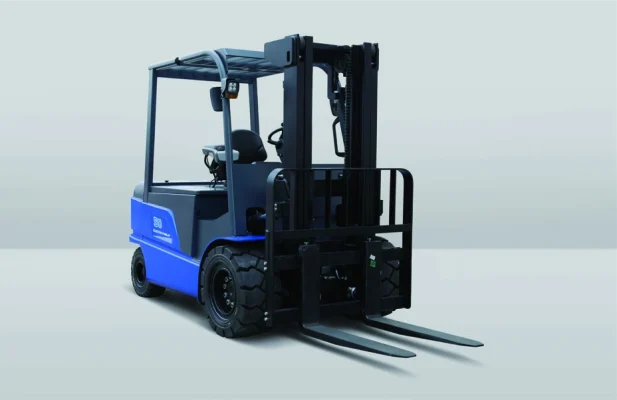
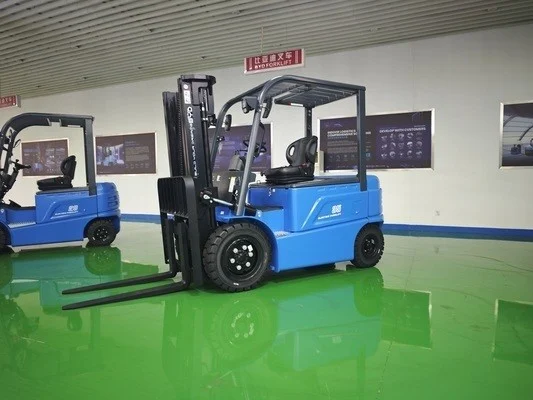
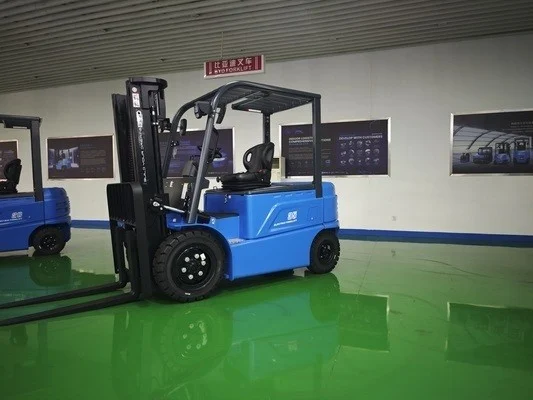
An electric forklift used in cold storage rarely works a simple shift. It may spend part of the day unloading a freezer dock, part moving pallets between temperature zones, and part staging loads on a refrigerated trailer. A duty cycle audit turns those movements into a written record of what the truck actually does, so you can size a four-wheel counterbalance electric forklift fleet against real demand instead of guesswork. The audit comes before the purchase order, not after it.
This guide explains what to measure, how to convert measurements into selection criteria, and where the limits of a standard counterbalance design begin. It applies to four-wheel counterbalance electric forklifts, including lithium-battery models. Specific capacities, lift heights, and battery ratings must come from the manufacturer’s technical data; this article does not assign numbers to any model.
What a Cold Storage Duty Cycle Audit Should Capture
A duty cycle is the pattern of work a truck repeats: how much it lifts, how high, how far it travels, how often, and under what conditions. In cold storage, the conditions are the hard part. The audit should record the following items over a representative period, ideally several days that include the busiest shift.
- Load weight distribution. Record typical and heaviest pallet weights, not just an average. A fleet sized to the average will be overloaded during peak hours.
- Lift height and load center. Note the height at which loads are picked and placed, and whether loads sit far from the fork heel. Rated capacity falls as load center and lift height increase, so both belong in the record.
- Travel distance and route. Measure one-way distances between dock, staging, freezer aisle, and trailer. Include doorway transitions and any ramps.
- Time in each temperature zone. Track how long the truck stays inside the freezer, how often it crosses warm and cold boundaries, and whether it parks in the cold between tasks.
- Floor and doorway conditions. Note surface type, joints, drains, ice-prone areas, and the clear width of doorways and aisles.
- Shift pattern and charging windows. Record shift length, breaks, and the times when a truck could realistically be charged or have its battery changed.
A simple clipboard log or a shift-by-shift spreadsheet is enough. The goal is evidence, not software. If your operation has no historical data, run the audit before committing to a fleet size.
Turning Audit Data into Fleet and Configuration Decisions
Once the record exists, the selection work becomes a series of comparisons. Each comparison has a trade-off, and the right answer depends on your site rather than on a general rule.
Payload and lift height
Match the truck’s rated capacity at your actual load center and lift height, not at the nominal figure on a specification sheet. If the heaviest pallets approach the rated limit at low height, check the derated capacity at the top rack level. When the audit shows a mix of light and heavy loads, decide whether one capacity class covers the heavy minority or whether the heavy work needs a separate truck. Do not assume a larger truck is always better; it may be wider and less suited to tight aisles.
Battery and charging strategy
Cold temperatures affect battery behavior, and the practical question is whether the truck can complete the shift with the charging windows your operation can offer. Compare opportunity charging during breaks against a battery change between shifts. Lithium-battery models may support different charging patterns than lead-acid, but the acceptable charging profile, temperature limits, and any required warm-up period must be confirmed from the manufacturer’s documentation. If the audit shows long dwell times inside the freezer, ask how the battery and charger are rated for that exposure.
Operator environment and attachments
Cold storage work often involves condensation, frost, and slippery surfaces. The audit should note whether operators need heated cabs, special lighting, or cold-rated hydraulic components. If the operation uses push-pull attachments or double-deep handling, confirm that the chosen counterbalance model and its attachment are compatible and that the resulting capacity is recalculated. Attachments change the load center, so the original rating no longer applies unchanged.
Fleet size
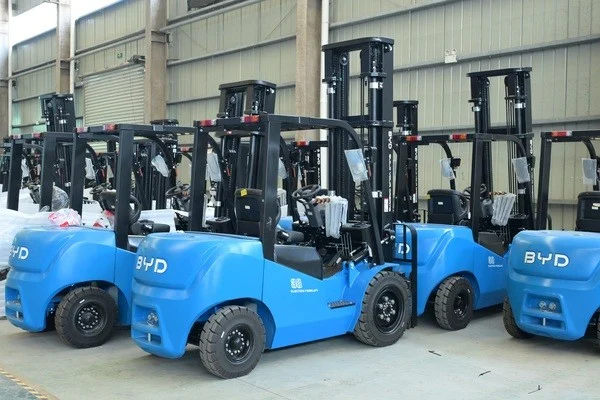
Fleet size follows from the number of trucks needed at peak, plus a realistic allowance for charging, maintenance, and breakdowns. A useful method is to list the busiest hour of the busiest shift, count how many trucks must be working simultaneously, and then check whether the charging schedule can keep that many available. If not, the choice is more trucks, faster charging, or a battery-change routine. The audit makes that trade-off visible.
| Audit finding | Selection question | Information to confirm |
|---|---|---|
| Heavy pallets near rated limit | Which capacity class covers the heaviest loads at top rack height? | Derated capacity at actual load center and lift height |
| Long freezer dwell time | Is the battery and charger rated for continuous cold exposure? | Operating temperature range and cold-weather charging guidance |
| Tight doorways and aisles | Does the truck’s width and turning envelope fit the route? | Dimensions and aisle requirements from technical data |
| Short charging windows | Opportunity charging, battery change, or more trucks? | Charging profile, charge time, and battery exchange method |
A hypothetical example shows the logic without claiming measured results. Suppose a freezer dock needs three trucks during the busiest two hours, but only two can be charged and ready under the current break schedule. The audit shows the gap; the site then decides whether to add a third truck, adjust breaks, or introduce a battery-change routine. The correct answer depends on labor, space, and electrical capacity, which the audit should also record.
Common Audit Mistakes and Limits of a Counterbalance Design
Several mistakes recur when teams size a cold storage fleet.
- Using average load weight instead of the heaviest routine load.
- Ignoring lift height when comparing capacity ratings.
- Recording travel distance but not doorway width or floor transitions.
- Assuming a battery will perform the same in a freezer as in a warm warehouse without checking the rating.
- Planning charging around ideal conditions rather than the actual break schedule.
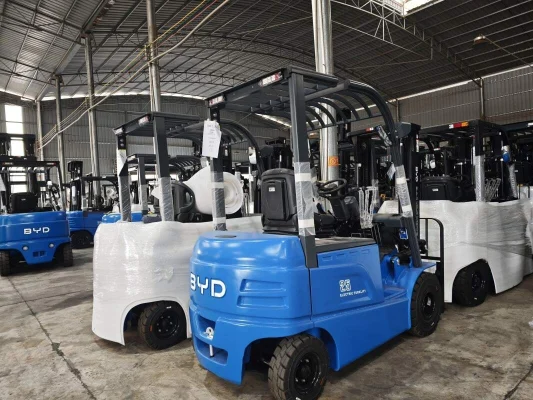
A four-wheel counterbalance electric forklift is a common general-purpose choice for dock work, trailer loading, and horizontal transport, but it is not suitable for every cold storage task. Very narrow aisles, high-density racking, or tasks that require reaching into racking may call for different equipment types. Where those conditions appear in the audit, note them and discuss the boundary with the supplier rather than forcing a counterbalance truck into a role it was not designed to fill. The same caution applies to ramps and gradients: confirm the truck’s rated climbing ability and the site’s slope before assuming suitability.
Also separate general material behavior from verified product performance. Cold affects batteries, hydraulic fluid, seals, and steel, but the specific limits of any model must come from its technical documentation. Do not accept a verbal assurance that a truck is “cold storage rated” without seeing the relevant specification.
Questions to Ask Before You Commit
How long should a duty cycle audit run?
Long enough to capture the busiest shift and the variation between days. A single quiet day can understate peak demand. If the operation is seasonal, include a peak period or state clearly that the audit covers only off-peak conditions.
Can one four-wheel counterbalance electric forklift serve both freezer and ambient work?
Often yes, but the audit must show the temperature transitions, dwell times, and charging opportunities. Confirm battery and component ratings for the coldest condition the truck will meet, and check whether condensation or frost creates traction or electrical concerns.
What should I send a supplier to get a useful configuration proposal?
Send the completed audit: load weights, lift heights, load centers, route distances, doorway widths, floor and ramp conditions, temperature zones, shift pattern, charging windows, and any attachment requirements. With those inputs, a supplier can propose a capacity class and battery strategy grounded in your operation. Ask which figures come from published technical data and which need site-specific confirmation.
Does a larger fleet always reduce risk?
No. Extra trucks add cost, space demand, and charging load. The audit should justify each truck by peak simultaneous demand and availability, not by a general preference for redundancy.
Before committing, verify the derated capacity at your real lift height and load center, the battery and charger ratings at your coldest temperature, the truck dimensions against your narrowest route, and the charging or battery-change plan against your actual break schedule. Where the audit shows a task outside the counterbalance envelope, record it and discuss alternatives rather than stretching the specification. A written audit gives you a defensible basis for the fleet size and configuration you choose.