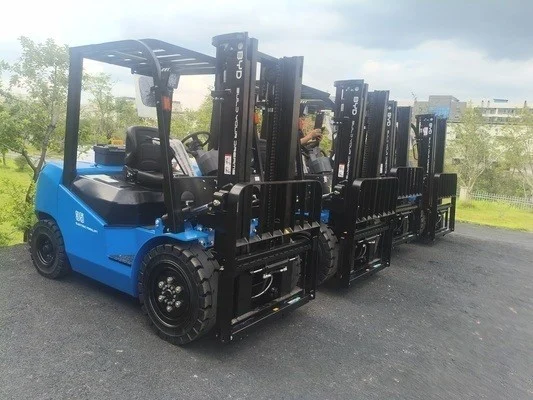
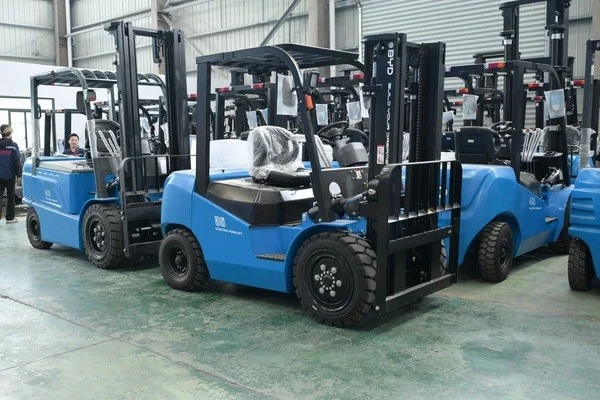
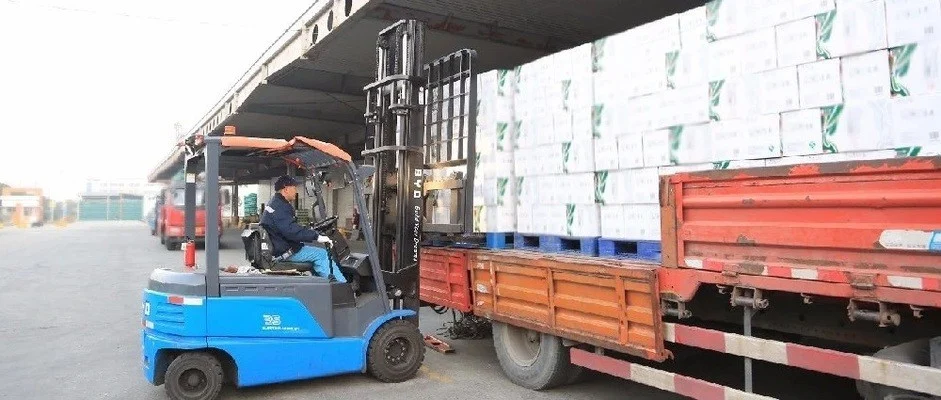
Evaluating Electric Forklift Price Against Required Load Capacity And Reach Specifications
News 09/10/2026
When businesses invest in material handling equipment, core performance requirements directly influence final equipment cost. Electric forklift price shifts dramatically based on two critical operational factors: required load capacity and mast reach specifications. Understanding how these factors drive cost helps teams avoid overpaying on unneeded capabilities or purchasing underpowered units that fail daily operational demands.
How Load Capacity Impacts Electric Forklift Price
Entry-Level Capacity Ranges (1,000 to 3,000 lbs)
Entry-level electric forklifts support standard warehouse loads like pallets of finished goods or small bulk containers. These units sit at the lower end of the price spectrum, because manufacturers use lighter frame materials and smaller powertrain components to meet lower load requirements. Most small retail warehouses or seasonal storage operations match their needs to this capacity range.
Mid-Range Capacity Ranges (3,000 to 8,000 lbs)
Mid-range capacity units see widespread use in general manufacturing and distribution centers. Price increases here reflect reinforced mast structures, higher-output battery systems and more robust braking systems needed to handle heavier consistent loads. Many operations in this category choose three-wheel or four-wheel counterbalance models, which add incremental cost compared to entry-level designs.
High-Capacity Ranges (Over 8,000 lbs)
High-capacity electric forklifts move heavy industrial loads like unprocessed raw materials or large container components. These units require heavy-duty chassis, specialized high-capacity batteries and advanced load balancing systems. All these components push electric forklift price significantly higher than lower-capacity options. These units only make financial sense when daily operations regularly move loads near the upper capacity limit, because overcapacity adds unnecessary ongoing ownership cost.
How Reach Specifications Change Electric Forklift Price
Low Reach (Under 10 ft Lift Height)
Low-reach electric forklifts work well in ground-level loading docks or single-level storage areas. Simple mast designs with fewer extension stages keep production costs low, which translates to lower end-user pricing.
Medium Reach (10 ft to 20 ft Lift Height)
Most modern multi-level warehouses need reach between 10 and 20 ft to access standard racking systems. Masts here add one or two extension stages, plus additional hydraulic components to support stable lifting at height. This adds 10 to 25 percent to base price compared to low-reach units, depending on mast design.
High Reach (Over 20 ft Lift Height)
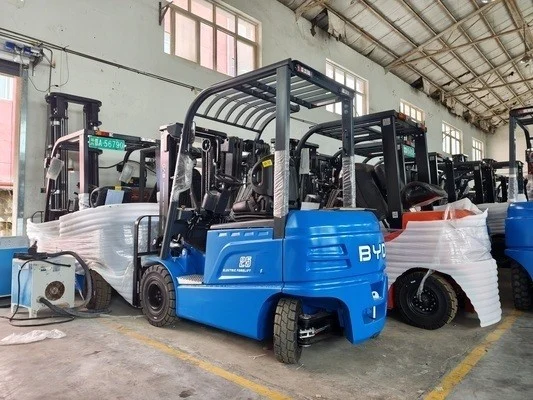
High-reach electric forklifts, often used in very narrow aisle (VNA) warehouse setups, reach heights beyond 20 ft to access high-density storage racks. These units require specialized mast engineering, advanced stability controls and precision steering systems to maintain safe operation at extreme heights. These upgrades can push electric forklift price 30 percent or more above medium-reach base models.
Key Selection Criteria To Align Price With Your Needs
Document actual operational requirements before you start comparing prices. Many operations overestimate required capacity or reach to accommodate hypothetical future growth, which adds thousands of dollars in unnecessary upfront cost. Instead, measure the heaviest load your team moves on a daily basis, and confirm the maximum lift height your racking system requires. Add a small 10 to 15 percent buffer to accommodate unexpected needs, avoid adding larger buffers that drive up cost without adding operational value.
Next, consider total cost of ownership beyond upfront price. Higher-capacity or higher-reach units often use more energy, require more frequent maintenance, and need larger battery replacement budgets when the battery reaches end of life. Factor these ongoing costs into your overall evaluation, not just the initial purchase price.
Next, check compatibility with your facility. Narrow aisles require specialized reach units that cost more, so if you can adjust racking layout to accommodate standard units, you can lower your total investment.
Common Limitations To Consider
Higher capacity does not automatically translate to better performance within your operation. Overly heavy forklifts can damage warehouse flooring, which adds unexpected repair cost after installation. Excessively high reach can create unnecessary stability risks in facilities with low ceiling clearance, leading to safety hazards.
Also, electric forklift price trends shift with supply chain conditions and battery technology advancements, so current market pricing may vary from historical industry averages. Always request updated quotes from multiple suppliers to confirm current market rates.
Frequently Asked Questions
Does higher load capacity always equal higher electric forklift price?
In most cases, yes. Higher load capacity requires more robust components, larger powertrains and heavier frame construction, all of which increase production and end-user cost. Exceptions occur when you purchase used or reconditioned units, where pricing depends more on unit age and remaining service life than capacity specifications.
Why does reach height impact electric forklift price so much?
Lift height requires additional engineering to maintain mast stability and lifting power at extended heights. Each additional mast stage adds material and hydraulic components, and high-reach units often include extra safety and stabilization systems that increase overall production cost.
Can I adjust my operation to lower required electric forklift price?
Yes. You can reconfigure racking layouts to reduce maximum required reach, or consolidate loads to reduce peak load capacity needs. Both adjustments let you select a lower-priced unit that meets all core operational requirements without sacrificing safety or productivity.
Do used electric forklifts follow the same price trends based on capacity and reach?
Generally, yes. Even on the secondary market, higher-capacity and higher-reach used units hold higher value than lower-specification units of the same age. Condition and remaining battery life also play large roles in final used unit pricing.
Aligning electric forklift price with your actual load capacity and reach requirements keeps your project within budget while meeting all operational needs. By documenting your specific requirements, avoiding unneeded overspecification, and factoring in total ownership cost, you can select an electric forklift that delivers reliable long-term performance without unnecessary upfront investment. Always confirm all specifications match your facility and operational needs before finalizing any purchase.