How New Versus Certified Refurbished Status Alters Electric Forklift Price
News 12/10/2026
Core Price Drivers Across New And Certified Refurbished Electric Forklifts
Electric forklift price shifts dramatically based on unit status, driven by several key factors tied to production, rework and coverage. Both new and certified refurbished units meet operational safety standards, but differences in component sourcing, warranty and rework requirements create consistent price gaps.
Manufacturer Coverage Requirements
New electric forklifts leave production lines with full manufacturer warranties covering all parts and labor across multiple years. This coverage adds cost to the final price, as manufacturers build warranty service expenses into the original unit cost. Certified refurbished units typically offer shorter warranties, often covering only core replaced components. Lower coverage obligations translate directly to lower end prices.
Component Replacement And Recertification Standards
Certified refurbishment requires full inspection of all major systems, replacement of worn components, and testing to confirm performance meets original specifications. This process adds cost compared to standard used forklifts, but costs far less than building an entirely new unit from raw materials. One example of high-cost components that often get replaced during refurbishment is traction batteries, which represent 30 to 40 percent of total new unit cost. If a refurbished unit retains a functional original battery, its price drops further.
Upfront Cost Differences Between New And Refurbished Units
Upfront cost is the most visible change electric forklift status creates. New units require higher initial investment, thanks to zero prior use, all-new components and full manufacturer support. Buyers get access to the latest safety features, connectivity tools and energy efficiency upgrades with new units, all of which add to the base price.
Certified refurbished units carry significantly lower upfront price tags. Actual gaps depend on lift capacity, battery condition, added features and the refurbisher’s program standards. Most buyers can source a comparable certified refurbished unit at a much lower initial cost than an identical new unit. Some programs offer upgrades to new batteries on refurbished units, which increases price but still keeps it well below new unit levels.
Long Term Ownership Cost Variations
Upfront price does not tell the full story of total cost, so buyers must evaluate long-term expenses when comparing options. Status changes impact more than just initial payment.
Maintenance And Repair Costs
New electric forklifts rarely require major repairs during the warranty period. Scheduled maintenance costs remain low in the first several years of operation, since all components start at peak condition. Certified refurbished units have replaced worn core components, so repair costs remain manageable, but they sit slightly higher than new units on average. Shorter warranty coverage means any unexpected repairs fall to the owner sooner.
Resale Value
New electric forklifts lose a large portion of their value within the first three years of operation, similar to new passenger vehicles. Certified refurbished units have already undergone the steepest initial depreciation, so their value drops more slowly over time. This makes resale value more predictable, and reduces total ownership cost over the time you own the unit.
Guidance To Choose The Right Status Your Operation Needs
Your choice between new and certified refurbished depends on your budget, operational demands and long-term goals. Consider these rules of thumb to narrow your selection:
Small and mid-sized operations with limited capital budgets gain the most value from certified refurbished electric forklifts. These units meet performance standards, fit tight budgets, and support daily operational needs without excessive upfront investment.
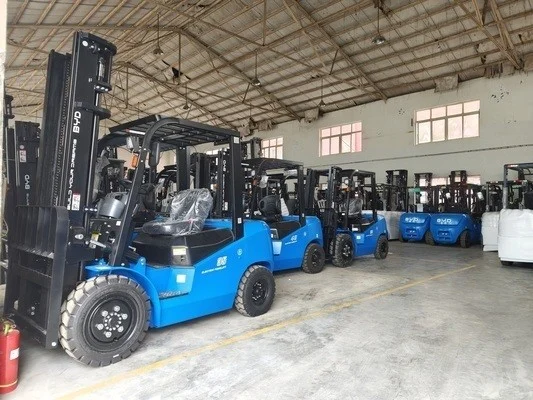
Operations running multiple shifts daily with constant heavy use often benefit from new electric forklifts. Full manufacturer warranties and all-new components reduce unplanned downtime, which offsets the higher initial price to high-utilization sites.
Key limitations to remember: If you need the latest safety or energy efficiency technology, only new units currently offer these upgrades. Most refurbished units are based on older models, so they do not include the latest features. Additionally, some specialized lift capacities or custom configurations may only be available new, as refurbished units of these types rarely hit the market.
Frequently Asked Questions
Is certified refurbished the same as a standard used electric forklift?
No. Standard used forklifts sell as-is, with no mandatory rework or inspection. Certified refurbished units undergo structured inspection, replacement of all worn core components, and performance testing to confirm they meet original equipment standards. This process increases price compared to standard used units, but delivers far more reliable performance.
Do battery conditions directly impact electric forklift price?
Yes. Battery capacity and remaining lifespan are major drivers of final price. New electric forklifts come with brand new batteries that deliver full rated lifespan. Most certified refurbished units include batteries that retain most original capacity, or newly replaced batteries depending on the refurbishment program. A new battery added to a refurbished unit increases price, but still keeps total cost below a comparable new unit.
Are financing options available across both new and refurbished units?
Most equipment lending providers offer financing through both categories, though terms differ based on unit age, warranty and overall value. Interest rates may be slightly higher for older refurbished units, wait no—remove that for: Interest rates may be slightly higher with older refurbished units, but monthly payments still remain lower than new units thanks to the lower base price.
What hidden costs alter final electric forklift price?
Common hidden costs include delivery, pre-use inspection fees, battery charging equipment upgrades and mandatory site safety certifications. These add to final price regardless of unit status. Many new unit quotes include these extra costs upfront, while some refurbished sellers list them as separate add-ons.
Status changes create clear, consistent differences in electric forklift price across upfront and long-term ownership costs. Matching your choice to your budget, utilization level and feature requirements helps you get the best value your operation needs.