Fruit Processing: From Receiving to Dispatch
Cases 29/09/2026
Keeping seasonal goods moving
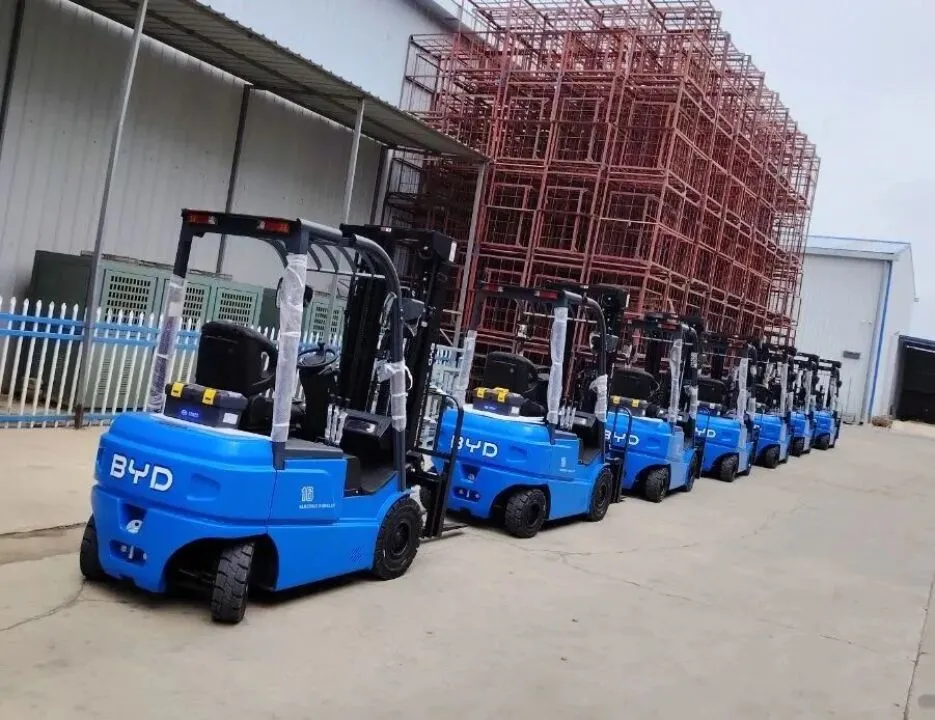
Fruit processing facilities connect several handling stages: incoming produce, sorting and packing, temporary storage and outbound loading. During busy periods, forklift routes need to serve these stages without obstructing people or interrupting production. The supplied site photograph shows a BYD forklift fleet at a fruit industry facility, illustrating the use of electric material handling equipment in this sector.
A practical handling workflow
Palletized fruit bins can be transferred from receiving to designated staging areas. Empty containers and packaging supplies then move to packing stations, while completed cartons are collected on suitable pallets for storage or dispatch. Matching the truck to the aisle width, pallet dimensions and loading point helps create a consistent handling process. Loads should remain stable, with travel speeds adapted to the floor and visibility.
Choosing equipment for the site
Truck selection starts with the heaviest complete load, its load centre and the required lift height. Door clearances, ramps and the condition of yard surfaces also matter. Where cold rooms are part of the operation, the truck and battery configuration must be checked for the actual temperature and condensation conditions. Charging locations should fit the shift pattern and remain separate from busy pedestrian routes.
An application across the fruit supply chain
Our electric forklift range can support fruit warehouses and packing facilities as well as processing plants, subject to the specific operating requirements. This application example describes a handling approach; the photograph does not establish a particular capacity, cold-store specification or measured productivity result.
Discuss Your Application
Share your load weight, lift height and site layout with us to discuss a suitable electric forklift configuration.