Mitigating Condensation Damage in Cold Storage Electric Forklifts: Key Strategies Engineering and Technical Decision Makers
News 13/10/2026
Condensation is one of the most common yet underaddressed sources of damage to cold storage electric forklifts. Temperature fluctuations from repeated trips between ambient temperature warehouses and sub-zero cold storage chambers create ideal conditions that promote moisture accumulation on electrical components, battery packs and structural parts. Over time, trapped moisture causes corrosion, short circuits, reduced battery life and unexpected downtime that disrupts cold chain operations. This guide shares actionable, technically sound strategies engineering and technical decision makers use to mitigate condensation damage and extend service life of their equipment.
Why Condensation Develops in Cold Storage Electric Forklifts
Condensation forms when warm, moisture-saturated air contacts a surface temperature below the dew point. This process occurs constantly with forklifts that move between warm storage areas and cold storage zones, or that are parked outside cold storage between shifts.
The Impact of Temperature Delta on Moisture Formation
A standard temperature delta between ambient warehouse air (around 20°C) and a cold storage room (between -20°C and 0°C) easily crosses the dew point threshold. When warm air hits a cold battery pack, controller housing or chassis component, moisture immediately condenses into liquid water. Over multiple cycles, this water accumulates in low-lying areas like battery compartments, controller enclosures and brake assemblies.
Even small amounts of trapped moisture create long term issues. Corrosion eats away at electrical contact points, increasing resistance and causing intermittent failures that are hard to diagnose. Moisture can degrade insulation around wiring, increasing risk of short circuits that can disable the entire forklift. It can also accelerate rust formation on steel chassis and braking components, reducing structural integrity and increasing safety risks.
Core Design Strategies Prevent Condensation Damage
Engineering teams can integrate multiple design features into new or upgraded forklifts to minimize condensation risk. These features address both formation of moisture and removal of any accumulation that does occur.
Sealed Enclosures Housing Critical Electronic Components
All sensitive electronics including motor controllers, battery management systems and wiring connectors need proper sealing to keep moisture out. Industry standard IP ratings define sealing effectiveness; one example is an IP65 rating, which blocks ingress of dust and low pressure water jets from any direction. Most cold storage-ready electric forklifts come with IP65 or higher rated enclosures protecting all core electronic components.
Sealing prevents warm moist air from entering temperature-controlled enclosures, where it would condense on cold internal components. This is one of the most effective first lines of defense against condensation related failures.
Thermal Stabilization and Insulation
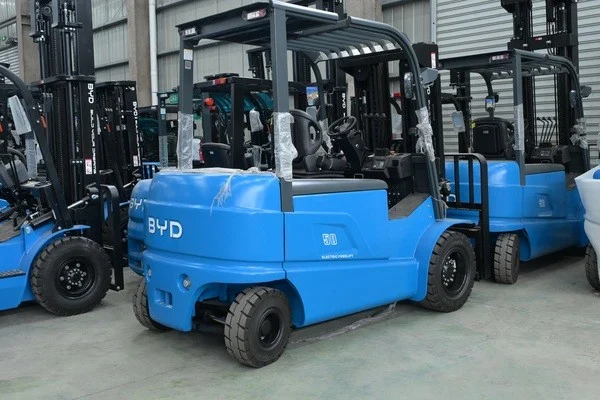
One of the most effective ways to reduce condensation is to minimize temperature differences between forklift components and surrounding air. If a forklift stays inside the cold storage room during off shifts, its components maintain a consistent low temperature, so no condensation forms when it operates. When forklifts must be moved to warm areas between shifts, insulating battery and component compartments slows temperature change, reducing the rate of condensation formation.
Some designs integrate low-power thermal regulation to keep component temperatures just above the dew point inside cold storage, preventing moisture from condensing on critical parts. This approach uses minimal power, so it does not significantly reduce battery range between charges.
Designed Drainage Paths Removing Accumulated Moisture
Even with the best sealing and insulation, small amounts of moisture can still accumulate inside compartments. Purpose-built designs include sloped floors and open drainage paths that let liquid water flow out of the forklift chassis and battery compartments, rather than getting trapped against components.
Regular inspection keeps these paths clear of ice, debris or packed grease that can block drainage and lead to trapped moisture. This simple design feature reduces long term corrosion risk significantly without adding major cost to the forklift.
Selection and Operational Best Practices
Beyond design features, engineering and technical decision makers can reduce condensation risk through careful equipment selection and adjusted operational protocols.
Forklift Selection Criteria
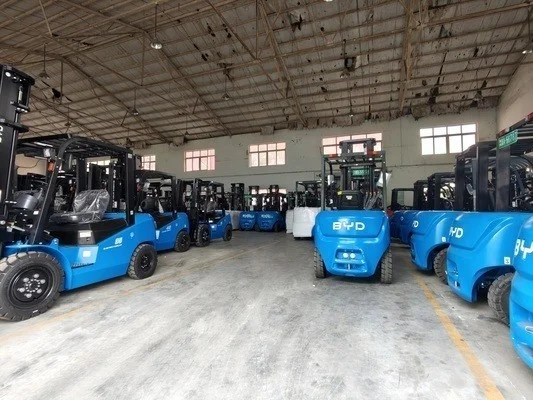
Not all electric forklifts work well in cold storage environments. Always select purpose-built cold storage electric forklifts over standard general use units.
Battery type also impacts condensation risk. Lithium-ion batteries generate less excess heat during operation and charging compared to lead-acid batteries, reducing temperature differences between the battery pack and surrounding cold air. Lead-acid batteries can work in cold storage, but they require more frequent inspection to catch early signs of corrosion and moisture accumulation.
Always confirm sealing ratings and temperature ratings with the manufacturer before making a purchase. Some lower cost units claim cold storage suitability but only meet requirements for warmer cold storage rooms above 0°C, they do not work in colder units operating below 0°C.
Adjusted Operational Protocols
Small changes to daily operation can cut condensation buildup dramatically. If operational schedules allow, park forklifts inside the cold storage room overnight or between shifts. This keeps all components at a consistent temperature, eliminating the temperature swing that causes condensation when a cold forklift enters a warm space or vice versa.
Forklifts that make multiple trips between cold and warm zones every day require more frequent inspections to identify early signs of moisture buildup and corrosion. Keep battery compartments clean and free of debris that can block drainage paths. Wipe down any visible moisture after frequent temperature cycles, especially during periods of high ambient humidity in the summer months.
Condensation damage is a preventable issue when engineering teams address root causes through thoughtful design, careful selection and adjusted operational practices. Proactive management reduces unplanned downtime, extends equipment service life and keeps cold chain operations running smoothly.
Frequently Asked Questions
Can cold storage electric forklifts operate safely below -20°C?
Most purpose-built cold storage electric forklifts handle temperatures down to -25°C, but operators must confirm component ratings directly with the manufacturer, especially battery chemistry and connector sealing, before deployment in extreme low temperature environments. Some low-cost models only work in cold storage rooms maintained above -10°C, so always verify temperature limits before purchase.
How often should maintenance teams check condensation related issues?
Monthly inspections deliver solid results in standard cold storage operations with limited temperature cycling. Units that enter and exit cold zones multiple times daily need biweekly checks. Inspections should cover clearing blocked drain paths, testing insulation integrity, and identifying early signs of corrosion on electrical contacts.
Does condensation damage void manufacturer warranties?
Most warranties cover manufacturing defects, not damage caused by improper operation or lack of required maintenance. If you use a standard electric forklift in cold storage without additional condensation protection, most manufacturers will not honor warranty claims related to moisture damage. Always confirm warranty terms with your supplier before purchasing.
Can you retrofit existing standard electric forklifts to work in cold storage?
Basic retrofits adding sealed enclosures and drainage paths can reduce condensation risk, but full conversion rarely matches performance of purpose-built cold storage electric forklifts. Assess overall retrofit costs against purchase price of a new purpose-built unit before making your final decision.