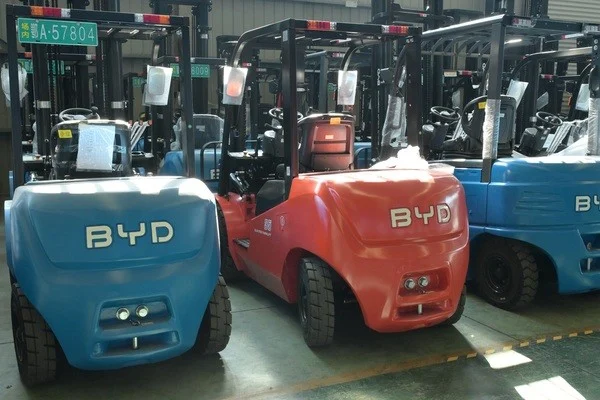
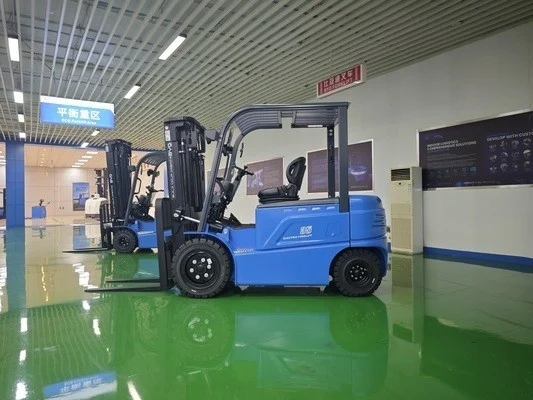
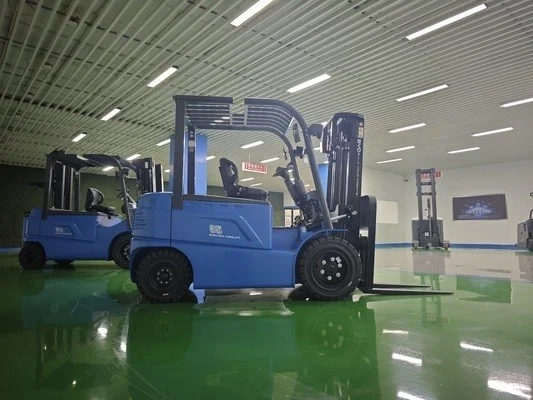
Top Rated Electric Forklifts Available Near Your Site: Matching Load Capacity and Power Configuration to Your Industrial Operational Needs
News 05/10/2026
Many operations seek local electric forklift options to support daily material handling work. This guide breaks down key selection criteria, matches load capacity and power setups to operational needs, and answers common questions buyers ask when searching local inventory. Sourcing local equipment delivers faster delivery and easier ongoing support, which benefits small and large industrial operations alike.
Key Selection Criteria When Sourcing Local Electric Forklifts
Match Load Capacity to Your Daily Workflow
Electric forklifts carry load ratings ranging from 3,000 pounds up to 15,000+ pounds. Lifting loads above a unit’s rated capacity increases safety risks and shortens equipment lifespan. Indoor warehouse operations with standard pallets most often need 3,000 to 5,000 pound capacity units. Heavy manufacturing or shipping container handling requires 8,000 pound or higher capacity models. Always account for load center distance (the horizontal distance from the forklift’s front face to the load’s center of gravity) when confirming capacity, as longer load centers reduce effective maximum lifting weight. Your facility’s aisle width also impacts capacity selection, because higher capacity units typically have larger overall dimensions that require wider turning clearance.
Choose Correct Power Configuration
Two common power configurations dominate today’s electric forklift market: lead-acid batteries and lithium-ion batteries. Lead-acid batteries have lower upfront purchase cost, and fit single-shift operations perfectly. You need dedicated charging space and 8+ hours charging time to reach full re-energizing. Lithium-ion batteries support opportunity charging during break times, can cover multi-shift operations, and require less maintenance. Their upfront cost sits higher, but lower long-term operating costs often offset the initial investment. Operations with limited floor space benefit from lithium-ion’s no-gassing charging requirement, which removes need of separate ventilation systems. Many operations shift to lithium-ion units as they expand to multiple daily shifts, because this power setup eliminates downtime associated with full battery swaps required by lead-acid systems.
Benefits of Local Inventory Access
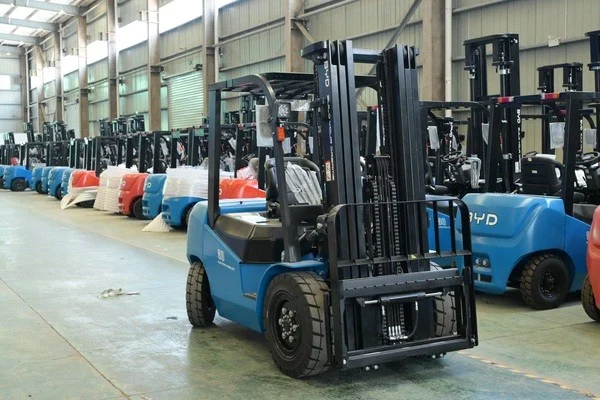
Buying from local dealers cuts delivery wait time, so you can get your new unit on site faster. Local dealers also provide on-site maintenance and parts support, which reduces downtime when your equipment needs service. You can also test operate units in person before purchase, to confirm ergonomics and maneuverability match your facility’s layout. Most local dealers also offer flexible rental or purchase options that align with your business budget. You can also get faster response when you need emergency service or replacement parts, compared to ordering units from out-of-state suppliers.
Frequently Asked Questions
How do I find top-rated electric forklift sale near me?
Start your search with verified local industrial equipment dealers, check their online inventory to see available units matching your capacity and power needs. Contact local dealers directly to schedule in-person visits, confirm current stock levels, and discuss pricing. Many dealers list current inventory on their business websites, so you can filter units by capacity, power type and price before you visit. Local business directories and industrial equipment marketplaces also help you locate nearby dealers with available electric forklifts.
What capacity electric forklift fits my operation?
First calculate the heaviest load you regularly lift, then add 10-15% buffer to account for unexpected loads. Check your facility’s aisle width too, as higher capacity units often have larger footprints that require wider aisles. Smaller 3,000-5,000 pound units work well in most retail warehouses and storage facilities with narrow aisles. Larger 8,000+ pound units serve heavy manufacturing and port handling needs. Always confirm lift height requirements as well, because maximum lift height also impacts the unit’s effective load capacity.
Which power configuration delivers better long-term value?
Value depends on your operation’s schedule and available infrastructure. Single-shift operations with dedicated charging space get strong value from lower-cost lead-acid battery units. Multi-shift operations with limited space gain more value from lithium-ion units, thanks to opportunity charging support and no required ventilation. Calculate total cost of ownership over 5-7 years (the typical lifespan of an electric forklift) to compare options before you decide. Factor in maintenance costs, battery replacement costs and downtime costs when you run your calculation.
Can I test a local electric forklift before purchase?
Most reputable local dealers allow test operation in your own facility or their demonstration yard. Testing lets you check maneuverability in your facility’s aisles, verify operator ergonomics, and confirm lifting performance matches your requirements. Always ask about test options when you contact a local dealer, as this step helps avoid costly mismatches between equipment and your operational needs.
Final Steps Toward Your New Electric Forklift
Once you narrow your search to local units matching your capacity and power requirements, confirm dealer terms including warranty coverage, maintenance plans, and parts availability. Document your core operational requirements (daily shift count, average load weight, aisle width, maximum lift height) before you contact dealers, this helps them quickly point you toward the best matching available units. Sourcing local electric forklifts gives you faster access to equipment and reliable ongoing support, which keeps your material handling operations running consistently.