LiFePO4 Forklift Weight Distribution Impacts Lift Height Stability and Maximum Load Capacity
News 15/10/2026
LiFePO4 forklifts rely on unique battery placement and lower overall battery mass to change vehicle weight distribution, which directly affects how the unit performs during high lift operations and full load handling. Unlike traditional lead-acid powered units, LiFePO4 designs reimagine how vehicle balance supports core functionality, creating new tradeoffs manufacturers and operators must understand.
Core Mechanism: Weight Distribution Differences Between LiFePO4 and Lead-Acid Forklifts
Lead-acid batteries used in traditional forklifts carry significant mass, often making up 20 to 30 percent of total vehicle weight. Most traditional counterbalance forklifts use this heavy battery as part of the front counterweight needed to balance loaded forks. LiFePO4 batteries weigh 50 to 70 percent less than same-capacity lead-acid units, so manufacturers must adjust overall vehicle balance to offset lost mass.
Two common design approaches dominate current production: Some manufacturers retain a separate fixed counterweight and place the smaller LiFePO4 battery low in the chassis, while others integrate the battery structure into the counterweight itself to cut unnecessary overall vehicle mass. Each approach changes overall weight distribution and creates different performance outcomes for lift stability and load capacity.
Aftermarket battery swaps, which replace original lead-acid batteries with LiFePO4 units in older forklifts, rarely adjust base vehicle counterweight or mounting position. This creates unbalanced weight distribution that deviates from the original factory design, leading to performance changes operators may not anticipate.
Key Impacts On Lift Height Stability
Vehicle center of gravity directly determines how stable the forklift remains when forks lift loads to higher elevations. Lower center of gravity reduces side tilt risk when turning, lifting, or moving across uneven ground. Any shift in weight distribution that moves center of gravity upward or outward increases stability risks during operation.
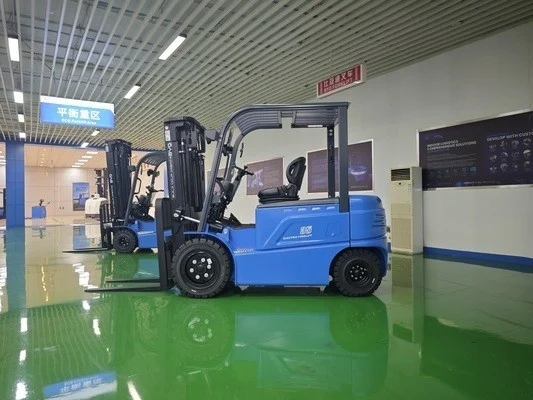
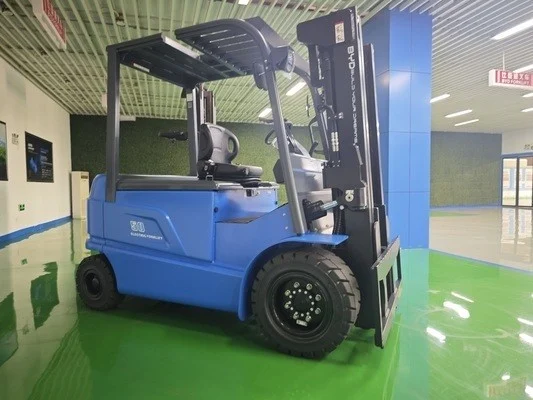
LiFePO4 batteries smaller size and lower mass allow manufacturers to mount the battery lower in the chassis than lead-acid alternatives. This lowers overall center of gravity, which improves lateral stability when the lift reaches maximum rated height. Forklift operators often report less sway at full elevation when working with properly balanced LiFePO4 units, though this experience varies based on original factory design.
Unbalanced weight distribution creates opposite outcomes. If the battery mounts too far forward or too high, the center of gravity shifts, increasing oscillation at high lift heights and raising risk of tip-over during operation. Operators should always confirm aftermarket conversions meet the vehicle manufacturer balance specifications before putting the unit back into service.
Stability also changes when the forklift turns while holding a high load. Lower center of gravity from properly designed LiFePO4 distribution reduces lateral shift during turns, cutting accident risk in crowded warehouses or narrow aisle work spaces.
How Weight Distribution Shapes Maximum Load Capacity
Maximum load capacity ratings depend heavily on vehicle balance, because the weight of the load on the forks creates a turning moment around the front axle. The combined weight and position of all components behind the axle counteracts this moment to keep the forklift stable.
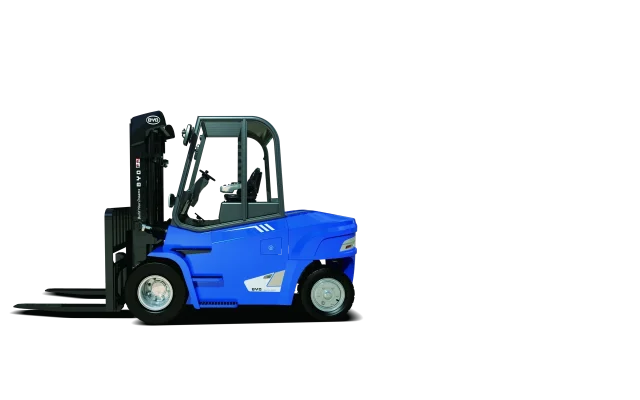
Traditional lead-acid forklifts use heavy battery mass to counteract load turning moments. LiFePO4 lower mass means manufacturers can either add a lightweight engineered counterweight to maintain same overall vehicle weight and same rated capacity, or reduce total vehicle weight and increase the rated maximum load. This flexibility lets manufacturers tailor weight distribution to match intended use cases.
This relationship does not mean all LiFePO4 forklifts carry higher loads than equivalent lead-acid models. Manufacturers adjust weight distribution based on intended use: indoor narrow aisle models prioritize smaller turning radius over maximum load, so they often carry same ratings as comparable lead-acid units. Outdoors heavy-duty counterbalance models can use the saved weight from the LiFePO4 battery to boost maximum allowed load.
Across lift height ranges, well-balanced LiFePO4 units see less reduction in allowable load at maximum elevation compared to poorly balanced units of same total weight. This means operators can often handle heavier loads at higher lift heights with properly designed LiFePO4 forklifts. Always check the manufacturer official load chart to confirm allowable weights at your required working lift heights.
Frequently Asked Questions
Do Aftermarket LiFePO4 Battery Conversions Alter Factory Weight Distribution?
Yes, any battery swap changes total vehicle mass and mass position, which alters original factory weight distribution. Conversions that do not adjust counterweight or mounting position can leave the vehicle out of balance, leading to reduced stability and lower safe load capacity. All conversions must follow the vehicle manufacturer or conversion kit supplier guidelines to maintain safe operation.
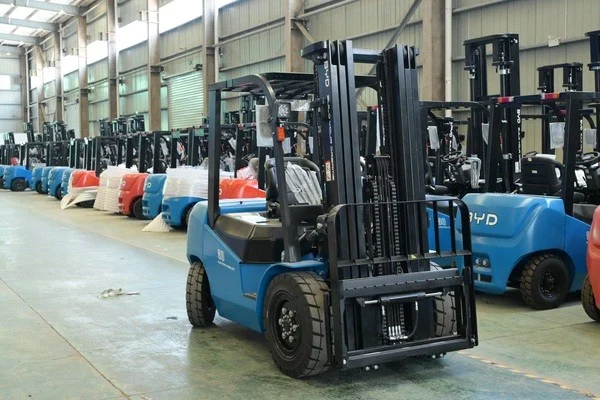
What Weight Distribution Features Improve LiFePO4 Forklift Performance?
Low chassis-mounted battery placement is the most common design feature that improves stability. Integrated battery-counterweight designs also eliminate excess mass, which can help boost load capacity when engineered correctly. Always compare load charts and stability ratings from the manufacturer rather than focusing on a single design feature alone.
Can Poor Weight Distribution Cause Premature Component Wear?
Yes, unbalanced weight puts additional stress on drive tires, lift cylinders, and front axle components. Over time, this extra stress can lead to more frequent maintenance needs and shorter component service life. Proper balance from original factory design reduces unnecessary stress on all moving parts.
When evaluating any LiFePO4 forklift, always prioritize manufacturer published specifications over general claims about performance. Weight distribution varies across models and classes, so matching the unit’s balance characteristics to your specific work environment ensures safe, efficient operation.