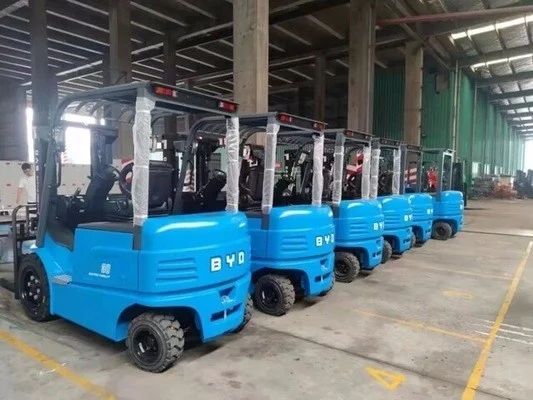
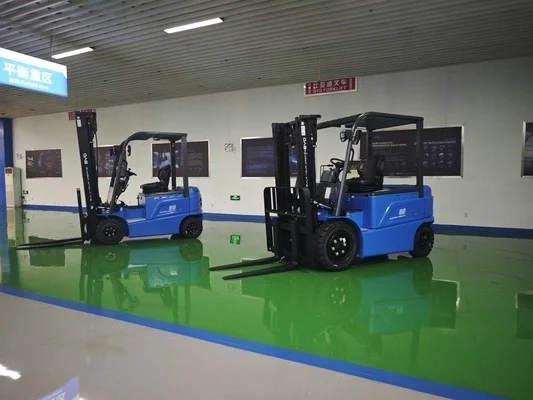
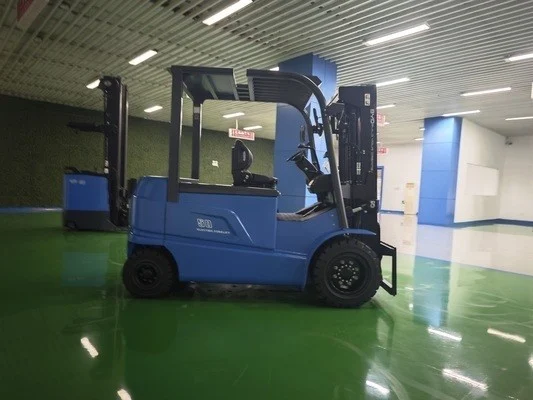
1.5 ton electric forklift Total Cost of Ownership Breakdown Informs Strategic Industrial Equipment Sourcing Decisions
News 20/10/2026
When evaluating 1.5 ton electric forklift options, total cost of ownership (TCO) gives a far clearer picture than upfront purchase price alone. This breakdown walks through every major cost category, so procurement teams can align equipment purchases with long term operational and budget goals. Many sourcing teams focus only on initial capital outlay, but hidden recurring and end-of-life costs often swing total ownership cost significantly over the equipment lifespan.
Core Upfront Capital Costs
Upfront costs represent the first major investment category when adding a 1.5 ton electric forklift to your fleet. The base unit purchase price makes up the largest share of this category, with variations driven by lift height, mast type, added safety features, and brand specifications.
Beyond the base unit, additional upfront investments cover supporting infrastructure:
- Charging stations: Depending on your fleet size and shift schedule, you may need one or multiple dedicated chargers matched to your battery type
- Battery: Many suppliers price the battery separate from the base unit, so confirm included components before finalizing quotes
- Initial delivery and installation: Site delivery, operator training, and initial system setup add small but notable upfront expenses
- Minor site modifications: Adjustments to electrical service or warehouse layout may be needed to accommodate charging areas
These additional costs can add 15 to 30 percent to your initial outlay, depending on your existing site setup. Facilities with compatible electrical service already in place see lower upfront investment than facilities building electric forklift infrastructure from scratch.
Recurring Operating Expenses
Recurring costs make up the largest share of total ownership cost over a 1.5 ton electric forklift’s 5 to 10 year lifespan. Breaking these into manageable categories helps track ongoing expenses accurately.
Energy Consumption
Energy use varies based on how often you run the forklift, average load weight, and operating environment. Indoor warehouse operation with standard 8 hour shifts sees consistent daily energy use, while outdoor operation with uneven terrain increases consumption. Most operations calculate monthly energy costs based on local utility rates and actual run time. Unlike internal combustion models, electric units have no fuel storage or regular fuel delivery requirements, which simplifies monthly budgeting.
Maintenance and Repairs
1.5 ton electric forklifts have fewer moving parts than comparable internal combustion models, which reduces regular maintenance needs. Key recurring maintenance tasks include battery watering (standard with lead acid models), brake inspections, tire rotation, and hydraulic system checks. Scheduled maintenance costs run lower than ICE models, but unexpected repairs can still occur, especially with higher usage rates. Many operations opt into a maintenance contract to lock in fixed monthly costs, though self maintenance works well for fleets with in house technical staff.
Labor and Downtime
Unscheduled downtime directly impacts operational output, which translates into indirect labor and productivity costs. Reliable electric models reduce unexpected downtime, but older units or poorly maintained batteries increase unplanned outages. Operator labor costs stay consistent regardless of power source, but productivity gains from smooth, quiet electric operation can offset small incremental labor expenses in multi shift environments.
Hidden Long Term Ownership Costs
These costs often get overlooked during initial sourcing, but they add significant amounts to total ownership over the equipment lifespan. One of the largest hidden costs is battery replacement. Most lead acid batteries last 4 to 6 years with regular maintenance, which means you will likely need at least one replacement over the forklift’s working life. Lithium ion batteries last longer, often 8 to 10 years, but carry higher upfront purchase cost.
Other hidden long term costs include:
- Depreciation: Electric forklifts hold value better than many ICE models, but depreciation still reduces resale value year over year
- Insurance: Property and liability insurance coverage adds annual cost, with rates tied to your operation’s risk profile and equipment value
- End-of-life disposal: Proper battery disposal requires compliance with local environmental regulations, which adds cost at the end of the battery lifespan
Resale value also impacts net long term cost. 1.5 ton electric forklifts remain in high demand in secondary markets, so well maintained units can deliver meaningful resale value that offsets original purchase cost.
How TCO Analysis Shapes Strategic Sourcing Choices
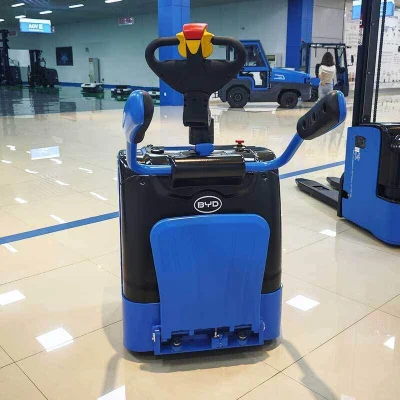
Strategic sourcing focuses on long term business value rather than short term budget savings. A complete TCO breakdown of your 1.5 ton electric forklift options helps you compare apples to apples when evaluating different brands and configurations. As one example, a lower upfront price unit with shorter battery life and higher maintenance costs may end up costing more over 10 years than a slightly more expensive unit with longer lasting components and lower recurring costs.
To apply TCO analysis to your sourcing process, follow these key steps:
- List all cost categories outlined above, and input expected values based on your specific operation shift schedule and environment
- Adjust values based on manufacturer specifications and warranty terms; longer warranties reduce unexpected repair costs
- Calculate total net cost over the expected working lifespan of the forklift, accounting for estimated resale value
- Compare final TCO values across all viable options, rather than only comparing upfront purchase prices
This process also helps you align your choice with your business goals. Operations planning to use the forklift for high volume multi shift work will prioritize longer lasting components and lower recurring costs, even with higher upfront investment. Operations needing a backup forklift occasional use may prioritize lower upfront cost, since recurring expenses will stay low regardless of configuration.
Your specific operational needs drive the final decision. Facilities with limited access to high capacity electrical service may need to adjust plans, opting for slower charging batteries that work with existing infrastructure, rather than paying for costly site upgrades. This tradeoff can be accurately evaluated within a TCO framework, which captures the cost of both the upgrade and the longer term benefits of faster charging.
Frequently Asked Questions
What is the typical lifespan of a 1.5 ton electric forklift?
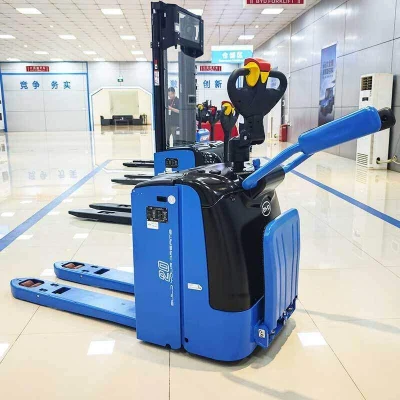
With proper regular maintenance, a 1.5 ton electric forklift can remain in service 8 to 12 years. Lifespan depends heavily on usage intensity; daily multi shift operation reduces average lifespan compared to occasional use.
Do lithium ion batteries change total ownership cost?
Lithium ion batteries carry higher upfront cost, but they last longer and require less regular maintenance than lead acid batteries. Most operations see lower net long term cost with lithium ion when running multiple shifts, while lead acid offers lower upfront cost that fits well low usage operations.
How does TCO differ between electric and internal combustion 1.5 ton forklifts?
Electric models typically have higher upfront cost, but much lower recurring operating and maintenance costs. Over the full lifespan, electric models usually deliver lower total ownership cost than comparable ICE units, though exact results depend on local energy and fuel prices.
What warranty coverage impacts total ownership cost?
Warranty coverage that includes major components like the motor and battery reduces unexpected repair costs over the first several years of ownership. Longer warranty terms add a small amount to upfront cost, but they eliminate large unexpected repair bills that impact budget planning.
Accurate TCO analysis removes guesswork from sourcing decisions, helping you select a 1.5 ton electric forklift that matches both your short term budget and long term operational needs. Always confirm all cost components with suppliers before finalizing any purchase agreement.