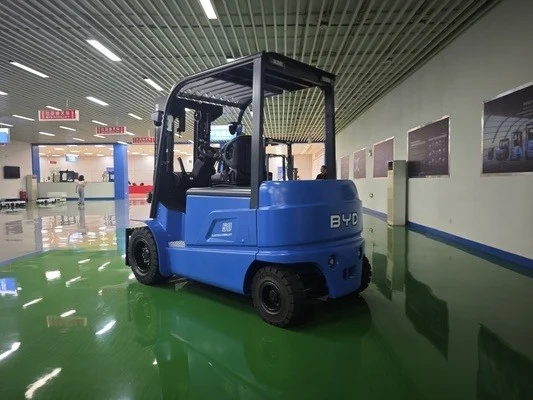
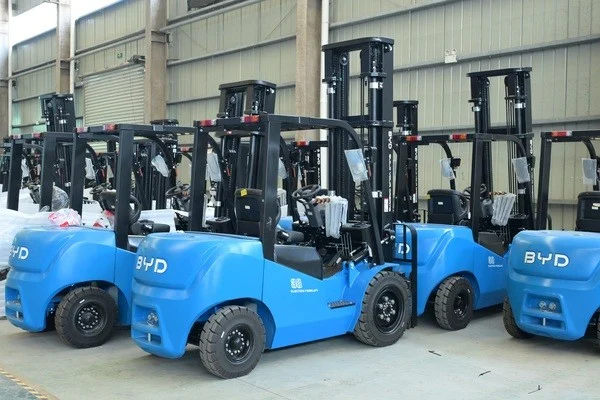
1.5 ton electric forklift: Critical Performance and Design Attributes Matching Indoor Material Handling Operations
News 04/10/2026
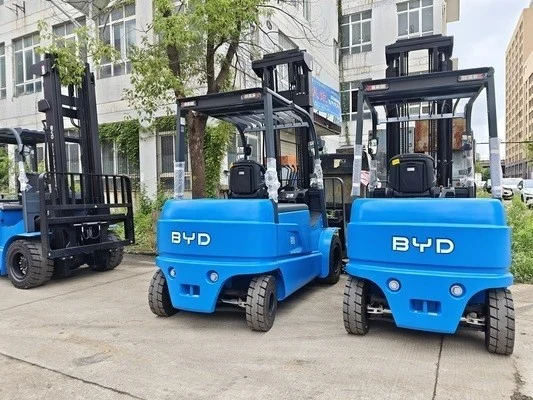
When planning indoor material handling workflows, selecting correct forklift capacity and design directly impacts operational efficiency, worker safety and facility space utilization. 1.5 ton electric forklift balances capacity, size and zero-emission operation, making it a popular choice among many indoor facilities. This guide breaks down critical performance and design attributes you need to evaluate when considering this equipment type.
Core Performance Attributes
Maneuverability in Confined Spaces
Indoor facilities typically feature narrow aisles between storage racks, tight corners around work cells and limited space near loading docks. A 1.5 ton electric forklift comes with shorter wheelbase and smaller overall footprint compared to higher capacity models, allowing it to navigate tight spaces most larger models cannot access. This attribute preserves more usable storage space within your facility, because you do not need to widen aisles to accommodate equipment.
Consistent Power Output
Modern electric drive systems deliver consistent torque across all lift speeds, supporting smooth load handling even when operating at maximum rated capacity. Unlike internal combustion engines, electric power output does not drop as battery charge depletes until near the end of discharge cycle, so workers maintain consistent productivity through entire shifts.
Load Stability
1.5 ton rated capacity aligns with most common indoor load types: full pallets of finished consumer goods, stacks of raw material components, and empty or full shipping containers. Center of gravity placement on properly designed models keeps loads stable during lifting and turning, reducing risk of load shift or tip-over accidents common in crowded indoor work areas.
Key Design Attributes Tailored to Indoor Operations
Compact Chassis Dimensions
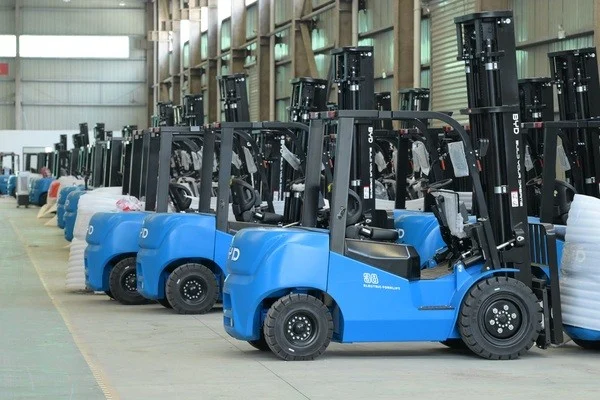
Manufacturers design 1.5 ton electric forklift chassis specifically around indoor space constraints. Most stand-up models measure less than 1 meter wide, and most sit-down counterbalance models measure less than 1.2 meters wide. This compact size lets equipment fit through standard warehouse door openings without modification, eliminating costly facility changes before equipment deployment.
Low Noise Output
Electric operation produces sound levels between 60 and 75 decibels during normal use, far lower than comparable internal combustion forklift models. This low noise output works well within facilities with adjacent office spaces, customer-facing retail backrooms, or public-facing storage areas, because it does not disrupt other on-site activities.
Emission-Free Operation
1.5 ton electric forklift produces no on-site exhaust emissions, so it meets indoor air quality standards without extra ventilation infrastructure. This attribute makes it compatible with enclosed spaces like cold storage rooms, underground storage facilities and enclosed manufacturing plants where ventilation capacity remains limited.
Selection Guidance and Known Limitations
1.5 ton electric forklift is ideal supporting operations that handle average load weights between 500 kg and 1400 kg, across 8 to 12 hour daily indoor shifts. Use this guidance to narrow your options:
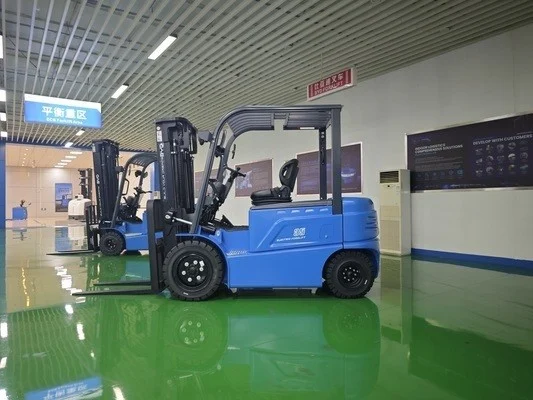
- Confirm chassis turning radius matches your facility aisle width before purchase
- Choose lithium-ion batteries if you operate multiple daily shifts, because they support faster opportunity charging during breaks
- Select cold-rated battery options if you use the equipment in sub-zero cold storage environments
Key limitations you need to consider include:
- Standard lead-acid batteries require 8 hour full recharge time, so multi-shift operations need extra battery swap infrastructure
- Most 1.5 ton electric forklift models have lower ground clearance than outdoor-focused models, so they do not perform well on unpaved or uneven outdoor terrain
- Maximum load capacity tops at 1500 kg, so any regular load over this weight requires higher capacity equipment
Frequently Asked Questions
What makes 1.5 ton electric forklift better suited to indoor use than higher capacity models?
Smaller chassis and lower overall weight reduce floor loading damage that can occur in older indoor concrete facilities, and fit narrower aisles higher capacity models cannot access. Lower noise and zero emissions also align with indoor air quality and workplace comfort requirements.
Can 1.5 ton electric forklift operate in cold storage environments?
Many manufacturers offer cold-rated battery options that support consistent operation in temperatures down to -20°C. Standard batteries lose 30 to 50 percent usable capacity quickly in sub-zero conditions, so always confirm this specification with your supplier before completing purchase.
What maintenance requirements apply to 1.5 ton electric forklift?
Electric models require less regular maintenance than internal combustion counterparts, because they have fewer moving parts. Core routine tasks include weekly battery connection inspection, monthly tire wear and pressure checks, and monthly mast component lubrication.
What minimum aisle width works with 1.5 ton electric forklift?
Most standard sit-down counterbalance models need minimum 2.8 meter wide aisles for 90 degree pallet turns. Compact stand-up reach models work in aisles as narrow as 2.2 meters. Always check official manufacturer specification for your chosen model, because dimensions vary across product lines.
Final Considerations
1.5 ton electric forklift delivers strong value most indoor material handling operations, when you match its performance and design attributes to your specific facility needs. Always test equipment within your actual workspace if possible, confirm all key specifications align with your load weight, space and environmental requirements, and plan for battery charging infrastructure before deployment.