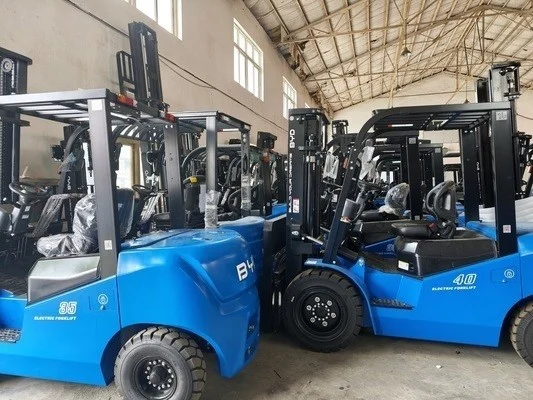
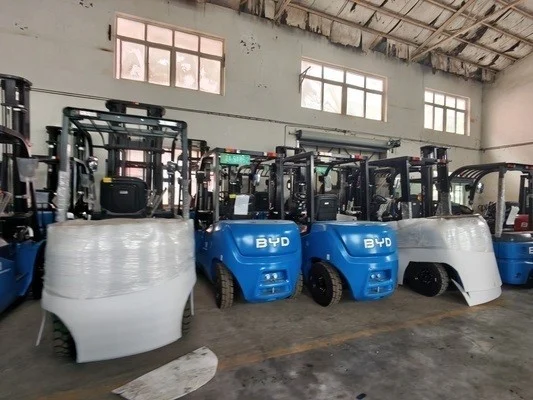
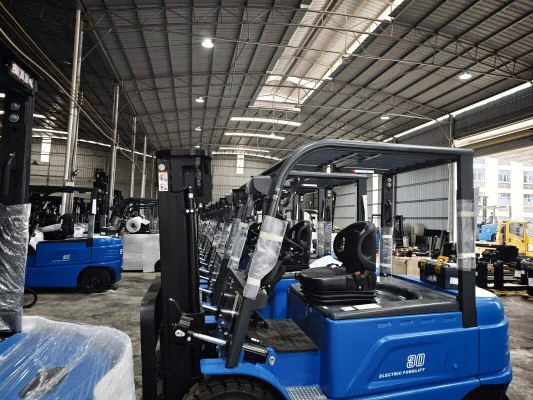
Narrow-Aisle Electric Forklifts Available Optimized to Support High-Density Warehouse Storage Operations
News 11/10/2026
Narrow-aisle electric forklifts are specialized material handling units built to maximize storage capacity inside enclosed warehouse spaces. As more businesses look to increase inventory volume without expanding existing facility footprints, these optimized units have become a popular choice among warehouse operators looking to improve space utilization. This guide breaks down key details about their use, selection, limitations and common questions buyers have.
Common Application Scenarios
These forklifts work best in facilities focused on high-density storage, where every square foot of floor space directly impacts operational profitability. Two of the most common use cases include:
High-Density Retail Distribution Centers
Retail distribution centers store large volumes of small to medium SKUs, making high-density racking a top priority. Narrow-aisle electric forklifts fit into aisles as narrow as 1.8 to 2.5 meters, while standard electric forklifts typically require 3 meters or more clear space. This size difference lets operators add extra rows of racking, increasing total storage capacity without building additional warehouse space. Their zero-emission operation also means they work safely inside fully enclosed facilities without needing extra ventilation infrastructure, a common requirement for哦不对,改了,their zero-emission operation also means they work safely inside fully enclosed facilities without needing extra ventilation infrastructure, common with internal combustion forklifts.
Third-Party Logistics (3PL) Storage Facilities
3PL facilities adjust their storage layouts frequently to match changing client inventory needs. Narrow-aisle electric forklifts give 3PL operators the flexibility to rearrange racking and add more storage positions when client demand grows, without investing in facility expansion. This flexibility helps 3PL providers accommodate more clients within their existing footprint, improving overall revenue per square foot of facility space.
Key Selection Tips and Operational Limitations
Choosing the right narrow-aisle electric forklift requires matching unit specifications to your facility’s unique needs. Below we break down core selection criteria and common limitations buyers should consider.
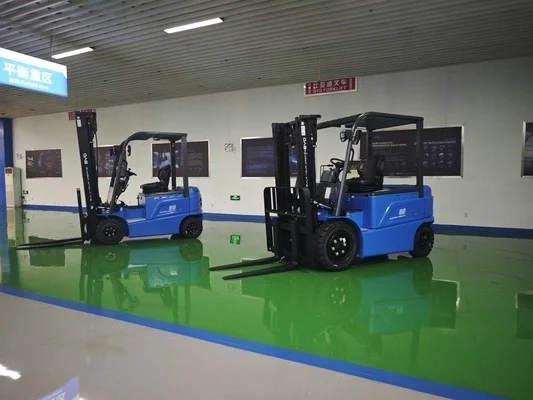
Core Selection Criteria
First, measure your aisle width accurately. Clear distance between racking uprights determines what turning radius you need from your forklift. Always measure after racking installation, not before, to account for any alignment shifts that change clear space. Mismatched turning radius and aisle width leads to frequent collisions with racking and stored product, increasing repair and replacement costs.
Second, confirm lift height and load capacity. Most high-density storage systems use multi-level racking that requires lifts up to 12 meters. Match your maximum rack height to the forklift’s maximum safe lift height, and confirm the unit can handle your average load weight at maximum height. Many operators make the mistake of matching load capacity only at ground level, leading to unsafe operation at upper rack levels.
Third, choose between stand-up and sit-down rider configurations. Stand-up rider models offer better maneuverability during short, frequent trips between picking locations, making them an ideal fit within order picking operations. Sit-down models offer more operator comfort during longer shifts, making them better fit for哦不对,改,making them a better fit within facilities that move full pallets across large warehouse areas.
Common Operational Limitations
Narrow-aisle electric forklifts do not work well with all warehouse operations. First, most models support maximum load weights between 1 and 2.5 tons, so they do not work well with extremely heavy bulk goods. Standard electric forklifts offer higher load capacity these use cases.
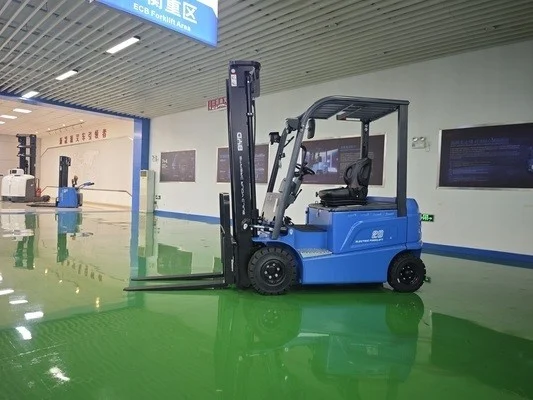
Second, specialized design leads to higher initial investment than standard electric forklifts. The precision steering and maneuverability components required to navigate tight aisles add to manufacturing cost, which passes through to buyers. Businesses should calculate the increased revenue from additional storage capacity to offset this higher initial cost before purchasing.
Third, these units require trained operators. Navigating tight aisles demands more skill than operating standard forklifts, so untrained operators face higher risk of damage to facility or product. Most suppliers offer operator training programs help teams work safely and efficiently with these units.
Before finalizing any purchase, confirm all specifications match your facility’s needs, and test unit operation in your space if possible. This step helps avoid costly changes after delivery.
Frequently Asked Questions
What makes narrow-aisle electric forklifts a better choice than standard forklifts in high-density storage settings?
Their compact design and reduced turning radius allow facilities to use narrower aisles, which increases total available storage space in most setups. They also produce zero onsite emissions, so they work safely inside fully enclosed storage areas without additional ventilation.
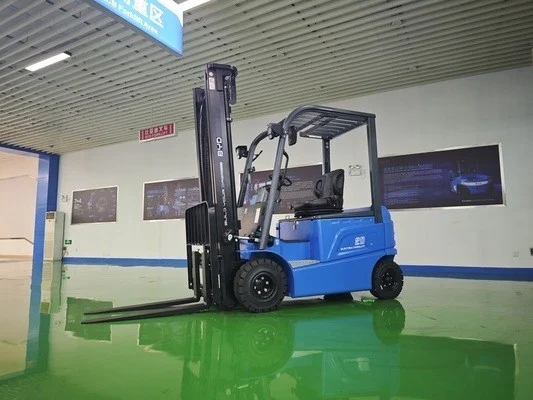
Can narrow-aisle electric forklifts work with existing warehouse racking?
Yes, as long as your existing racking creates aisles wide enough to match the forklift’s required turning clearance. If your current aisles are wider than the minimum required, you can rearrange your racking to add extra storage rows and increase density before bringing new forklifts into operation.
What routine maintenance do these forklifts need?
Electric narrow-aisle forklifts require less regular maintenance than internal combustion models. Core routine tasks include checking battery health and charge cycles, inspecting tire wear, and lubricating steering components. Scheduled professional service helps extend overall unit service life and reduces unexpected downtime.
Are used narrow-aisle electric forklifts reliable purchasing choices?
Used units can lower initial investment, but buyers should always request a full inspection from a qualified technician before completing any purchase. Battery health is the most critical check, as replacement batteries represent a large share of total unit replacement cost.