Floor Loading and Ground Pressure Checks That Determine Where a 3.5 ton electric forklift Can Operate Safely
News 22/10/2026
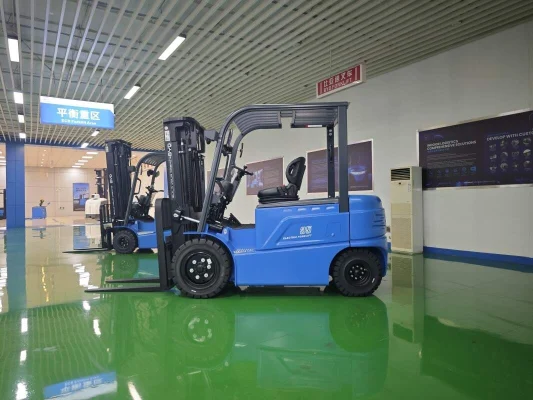
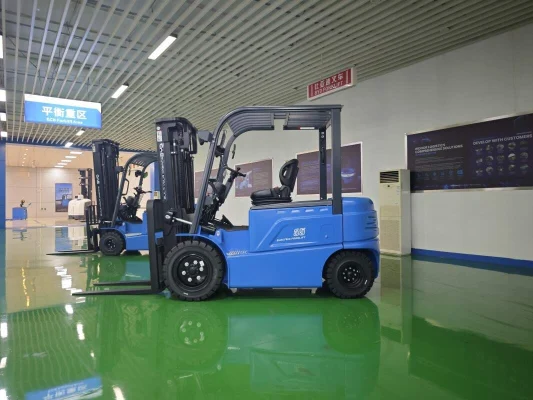
Before you deploy a 3.5 ton electric forklift at your facility, understanding site floor loading capacity and your machine ground pressure keeps operations safe. Unchecked mismatches between these two values lead structural damage, machine tip-over, and costly safety incidents. This guide focuses on four-wheel counterbalance electric forklift models, the most common 3.5 ton electric forklift type used in general industrial and warehouse operations.
Why Ground Pressure and Floor Loading Checks Matter
Floor loading capacity describes maximum weight a given area of ground or building floor can support safely. Ground pressure describes total force your forklift exerts onto that ground area. These two values directly determine which areas your 3.5 ton forklift can access without risk.
Many site managers overlook this check when bringing new equipment onto site. This mistake appears especially common when moving into older facilities, using elevated warehouse floors, or operating on unpaved outdoor storage yards. Even new facilities can have varying load ratings across different zones, so you should never assume your entire site supports your 3.5 ton forklift.
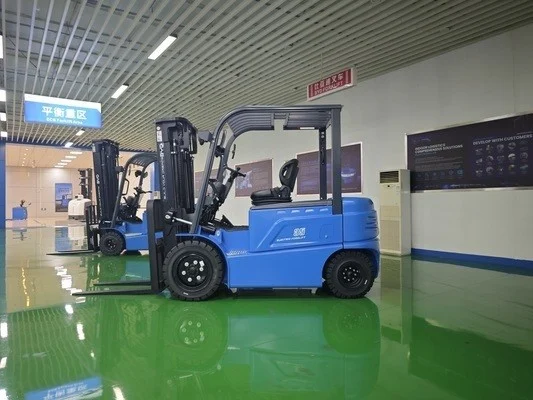
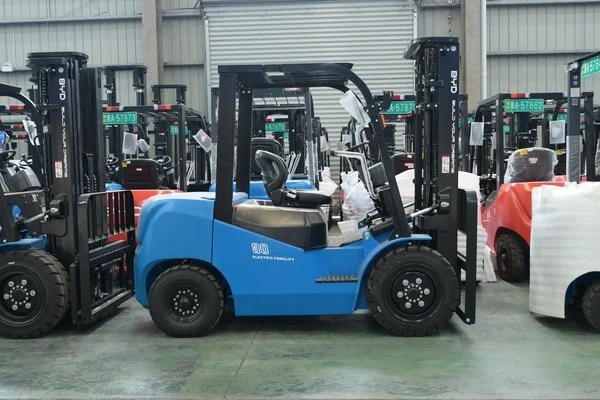
Four-wheel counterbalance electric forklifts carry more total operating weight than many other electric material handling equipment. A 3.5 ton lifting capacity model has a total operating weight that often exceeds the rated capacity of older warehouse floors or unimproved outdoor ground. This makes pre-operation checks critical.
Step-by-Step Check Process
Follow this ordered process confirm your site supports your 3.5 ton four-wheel counterbalance electric forklift:
Confirm Your Site Official Floor Loading Rating
Start with official documentation from the building owner, original architect, or property management. Most commercial industrial buildings list floor load ratings in original construction documents. Separate ratings apply different zones: heavy storage rack zones typically have higher ratings than general access aisles, and ground-level floors have higher ratings than elevated floors above basements or first floors.
If you cannot locate original documentation, or your facility has undergone major structural modifications since original construction, hire a licensed structural engineer complete on-site testing. This test gives you accurate, up-to-date load ratings you can rely on.
Calculate Total Forklift Ground Pressure
Ground pressure calculation relies two key figures from your forklift supplier: total operating weight and total tire contact area. Total operating weight includes the machine chassis, mast, battery, and any attached attachments. Do not use just the rated lifting capacity calculate total weight, this leads incorrect results.
The basic calculation average ground pressure divides total operating weight by total tire contact area. This gives you average pressure value you can compare against your site floor loading rating.
Different tire types change total contact area, and thus change ground pressure. Solid tires, common many industrial forklift applications, have smaller contact area than pneumatic tires. This means solid tire configurations produce higher ground pressure than identical pneumatic tire models.
Verify Adjustments Based Dynamic and Site Conditions
Average static ground pressure does not account dynamic pressure created by a moving forklift, lifting a load, or turning. Dynamic pressure can be 10-20% higher than static pressure, depending operation style. You should also account site-specific conditions that reduce ground bearing capacity:
- Unpaved ground that becomes soft after heavy rain or snow melt
- Cracked or damaged concrete that already shows signs structural stress
- Sloped ground that shifts weight distribution to smaller number of tires
- Any area near building load-bearing walls or foundation edges that have lower load ratings
| Check Item | What You Need Confirm | Potential Risks | Notes |
|---|---|---|---|
| Site floor loading rating | Official construction documents or third-party test report | Floor cracking, structural collapse, machine tip-over | Confirm separate ratings elevated floors vs ground-level yards |
| Forklift total operating weight | Manufacturer specification sheet your specific configuration | Incorrect pressure calculations lead wrong site approval | Always include battery and attached attachment weight |
| Tire type and total contact area | Supplier specification your selected tire option | Higher pressure than expected causes overloading | Solid tires produce higher ground pressure than pneumatic alternatives |
| Unpaved soil bearing capacity | Geotechnical test report your site | Machine sinking, traction loss, tip-over | Soil compaction changes capacity over time, re-test regularly |
Key Considerations Your 3.5 Ton Four-Wheel Counterbalance Electric Forklift
Most standard 3.5 ton four-wheel counterbalance electric forklift models operate safely on ground with adequate load ratings. But several configuration changes alter total operating weight and ground pressure, so you should account these during checks:
- Larger capacity lithium battery options add extra weight compared smaller lead-acid alternatives, increasing total operating weight
- Special attachments, such side shifters, fork positioners, or clamps, add extra front-end weight that shifts weight distribution and changes ground pressure
- Higher lifting height masts add extra weight to the machine chassis, increasing total operating weight
If your site has marginal load capacity that falls just below your calculated static ground pressure, you can work with your supplier explore options lower total weight. These options may include smaller battery configurations if your daily operation does not require full shift runtime, or lighter weight attachment alternatives that meet your work requirements.
If you have questions about how your specific BYD four-wheel counterbalance electric forklift configuration matches your site load rating, share your site details and operational requirements with our team. We can help you confirm compatibility or adjust configuration meet your site constraints.
Before you finalize your purchase, prepare this list information share your supplier:
- Minimum and maximum floor load ratings across all zones you need access
- Type of ground (paved concrete, asphalt, unpaved compacted soil)
- Maximum lift height you need your daily operations
- Any attachments you need complete your work tasks
- Daily work shift length to confirm battery size requirements
Frequently Asked Questions
Is 3.5 ton lifting capacity the same as total machine weight?
No. 3.5 tons describes maximum weight the forklift can lift, not total weight of the machine itself. Most 3.5 ton four-wheel counterbalance electric forklifts have total operating weight higher than 3.5 tons, due the weight of the chassis, battery, and mast. Always request total operating weight directly from your supplier do not rely on lifting capacity calculate ground pressure.
Can I operate my forklift on ground rated exactly equal to my static ground pressure?
We recommend maintaining a safety margin account dynamic pressure and gradual ground degradation over time. Dynamic pressure from moving, turning, and lifting increases total force exerted on the floor beyond static levels. Ask your structural engineer advise an appropriate safety margin your specific site type and use case.
What adjustments work if my site load rating falls just below required pressure?
Common solutions include adding thick steel plates distribute weight across larger area, restricting forklift operation only zones with adequate capacity, or adjusting forklift configuration reduce total operating weight. If your operation does not require full 3.5 ton lifting capacity, you can also consider lower capacity model that has lower total operating weight and lower ground pressure.
How often should I re-check ground bearing capacity after initial deployment?
Re-check ground capacity every 3-5 years high-traffic areas, or any time you notice visible signs damage like cracking, sinking, or spalling concrete. Unpaved yards need more frequent re-checking, especially after major weather events like floods or heavy snow.