Load Center and Attachment Effects on 3.5 ton electric forklift Rated Capacity: What Buyers Should Verify
News 21/10/2026
When purchasing a 3.5 ton electric forklift, many buyers focus only on the advertised rated capacity, without considering two critical factors that change actual safe lifting limits: load center position and mounted attachments. These factors often reduce effective lifting capacity enough to create dangerous overloading, or leave you with a unit that cannot handle your daily work. Below we break down key impacts and critical verification steps buyers complete before finalizing any purchase.
How Load Center Changes Impact Rated Capacity
A forklift’s rated capacity depends on the distance between the front axle and the load’s center of gravity, called load center distance. Manufacturers base advertised capacity ratings on a standard load center, which usually matches common 48-inch or 1000mm pallet dimensions. When your load places its center of gravity further forward than this standard, capacity drops due to basic lever physics: a longer forward distance increases stress on the front axle, reducing the maximum safe weight the unit can lift.
Many buyers overlook this detail when ordering. One example: oversized custom pallets or long cylindrical loads shift the load center 100 to 200 millimeters forward beyond the standard setting. This shift can cut actual capacity by 10 to 25 percent, depending on the forklift’s overall design and wheelbase.
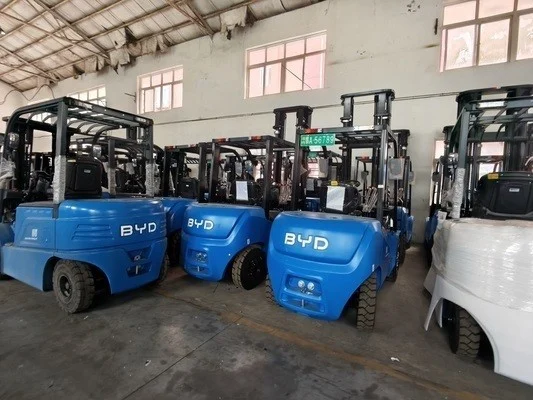
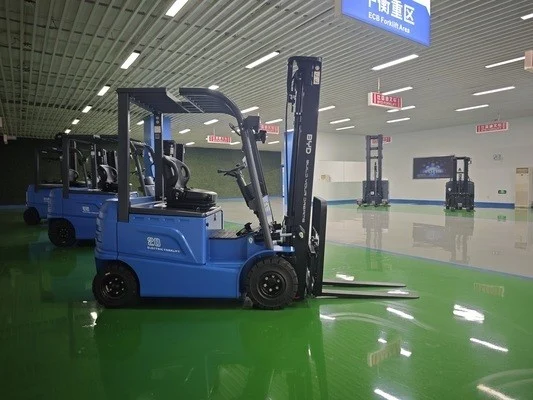
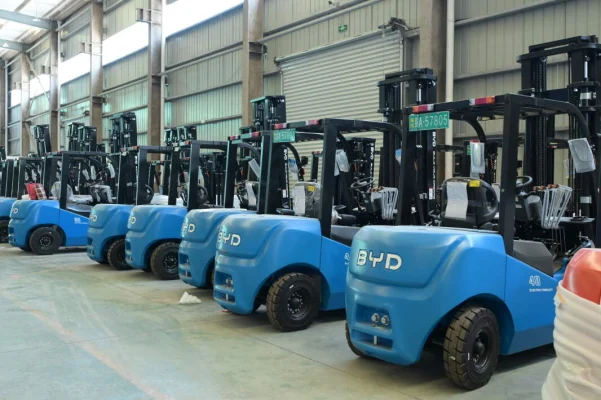
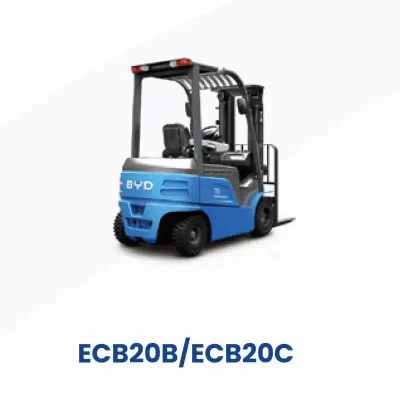
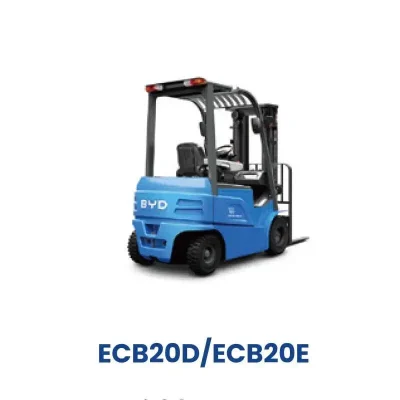
Our BYD four-wheel counterbalance electric forklift team provides adjusted capacity listings based on your actual load center distance. Always share your measured load center with your supplier during early procurement stages, rather than relying only on the advertised 3.5 ton rating.

Attachment Impacts on Rated Lifting Capacity
Most 3.5 ton electric forklift buyers add at least one attachment to match specific work needs: common options include side shifters, fork positioners, and clamps. Any attachment adds extra weight to the front of the forklift, and most shift the effective load center further forward. Both changes reduce the unit’s maximum safe rated capacity.
Factory-installed attachments come with official updated capacity ratings directly from the manufacturer, which align with the unit’s design and stability limits. Third-party attachments added after delivery rarely include this updated data, leaving many buyers unaware of capacity drops. This oversight leads to overloading, increased wear on critical components, and higher safety risks during operation.
Key verification steps buyers complete during procurement include:
- Request official updated capacity ratings from your supplier if you order factory-installed attachments with your 3.5 ton unit
- Require capacity adjustment data from your attachment supplier if you source third-party parts, and cross-check this data with your forklift manufacturer
- Complete a test lift with your maximum actual load before putting the unit into regular service
We supply official adjusted capacity data any time you add approved attachments to your BYD four-wheel counterbalance electric forklift, so you always operate within safe limits.
Frequently Asked Questions
Does a shifted load center always mean I need a higher capacity forklift?
No. Some 3.5 ton four-wheel counterbalance electric forklift designs include longer wheelbases or reinforced front axles that offset a portion of capacity loss from shifted load centers. Always check your supplier’s capacity de-rating chart to see if your target 3.5 ton model still meets your needs, instead of automatically upgrading to a larger capacity unit.
Can I recalculate rated capacity on my own after adding an attachment?
Basic back-of-napkin calculations are possible, but most operations lack access to the manufacturer’s original stability and axle load data. Official safe capacity ratings require certified calculation that matches your specific forklift model and design. Always get confirmed adjusted data from your supplier or a qualified technician to avoid unnecessary safety risks.
What core details should I share with my supplier to get accurate capacity data?
You need to provide three key pieces of information: your maximum actual load weight, your measured actual load center distance, and any attachments you plan to mount on the forklift. This information helps your supplier match the correct configuration to your operational needs, and provide accurate capacity ratings you can trust.
Once you gather these details, share them with our team to get verified capacity information matching your 3.5 ton four-wheel counterbalance electric forklift configuration.