How to Avoid Common Maintenance Mistakes That Reduce Your Fork Lift Truck Service Life and Increase Unplanned Operational Downtime
News 07/10/2026
Unplanned downtime cuts operational efficiency across warehouses, distribution centers and construction sites. Fork lift truck reliability depends heavily on consistent, correct maintenance. Many teams make avoidable errors that cut service life and trigger unexpected breakdowns. This guide breaks down these common mistakes and outlines clear steps you can take to avoid them.
Most Common Fork Lift Truck Maintenance Mistakes
Skipping Pre-Shift Inspections
Pre-shift inspections catch small issues before they escalate into major failures. Many operators skip this step to save time on busy shift start. This mistake leaves leaks, loose fasteners, and brake wear undetected until components fail mid-operation. To fix this habit, build pre-shift checklists into daily operator workflows. Assign clear ownership of each check, and require digital documentation every shift.
Ignoring Fluid Level Checks
Hydraulic fluid, engine oil and coolant keep your fork lift truck running smoothly. Low or contaminated fluid causes excessive friction on internal components, which speeds up wear. Many teams only check fluid levels during scheduled major service, not between intervals. Correct this by adding fluid level checks to weekly routine maintenance, and replace fluids according to manufacturer guidelines. Never top off with incompatible fluid types, as this causes premature component breakdown.
Neglecting Tire and Brake Maintenance
Tires bear the full weight of your fork lift truck and its load. Underinflated, worn, or damaged tires cause uneven stress on axles, transmissions and steering systems. Brakes that receive little attention increase safety risks and can cause sudden failure that halts operations. Inspect tires to locate punctures, uneven wear, and confirm correct pressure every week. Test brake responsiveness before each shift, and replace brake pads before they wear down to unsafe levels.
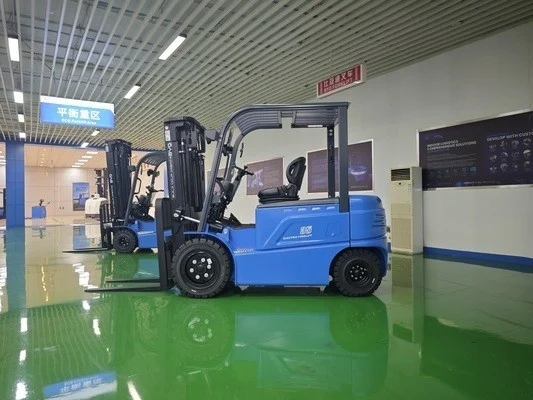
Overlooking Battery Care (Electric Units)
Electric fork lift trucks rely on well-maintained batteries to deliver consistent power. Common errors include leaving batteries discharged across extended periods, overcharging, or failing to clean corrosion from terminals. These errors cut battery service life by up to half, and can leave your unit dead mid-shift. Follow manufacturer guidelines on charging cycles, clean terminals monthly, and store batteries in cool, dry spaces when not in use.
Using Incorrect Replacement Parts
Cutting costs with generic or aftermarket parts that do not match manufacturer specifications often backfires. Ill-fitting parts cause excess strain on surrounding components, leading to faster wear and repeated breakdowns. Always source parts that match your fork lift truck model and original equipment specifications. Keep common replacement parts in stock to avoid long wait times that extend downtime when repairs are needed.
Key Steps To Build A Reliable Maintenance Routine
A structured maintenance routine eliminates most avoidable mistakes. Follow these actionable steps to build your program:
- Document every inspection, repair and service event. Digital tracking tools help you spot recurring issues with specific units before they cause failure.
- Align service intervals with your usage patterns. Units that operate multiple shifts daily need more frequent service than units used only occasionally. Do not rely on generic one-size-fits-all intervals. Adjust based on your operating environment, such as dusty outdoor locations or cold storage facilities, which increase wear rates.
- Train all operators and maintenance staff on correct procedures. Untrained staff can miss critical issues or perform maintenance incorrectly, leading to accelerated damage.
- Complete annual full system inspections by qualified technicians. These inspections catch hidden wear that routine checks miss.
Assumed Application Scenario
A 10-unit warehouse operation runs two shifts daily, with no structured maintenance beyond annual service. The team sees an average of two unplanned breakdowns per month, with average downtime of eight hours per event. After implementing the steps above, fixing the common mistakes outlined, the team cuts unplanned breakdowns to less than one per quarter, and extends average fork lift truck service life across multiple years. This is an assumed scenario; actual results vary based on usage, environment and equipment age.
Frequently Asked Questions
How often should I complete full service on my fork lift truck?
Service frequency depends on your unit type, usage level and operating environment. Always check the manufacturer’s documentation specific to your model, and adjust intervals based on how heavily you use the equipment. Units running multiple shifts daily need more frequent service than occasional-use units.
Can I use aftermarket replacement parts on my fork lift truck?
Some aftermarket parts match original equipment specifications, but many do not. Always verify part compatibility with your model before installation, and avoid low-quality generic parts that can cause damage to adjacent components.
Do I need certified technicians to complete fork lift truck maintenance?
Minor routine maintenance like pre-shift checks and fluid top-offs can be completed by trained in-house staff. Major repairs and annual full-system inspections require work from certified technicians to ensure safety and correctness.
What operating conditions increase fork lift truck wear the most?
Dusty locations, cold storage facilities, and outdoor rough terrain all accelerate component wear. Increase the frequency of routine inspections and service if your fork lift truck operates in these environments.