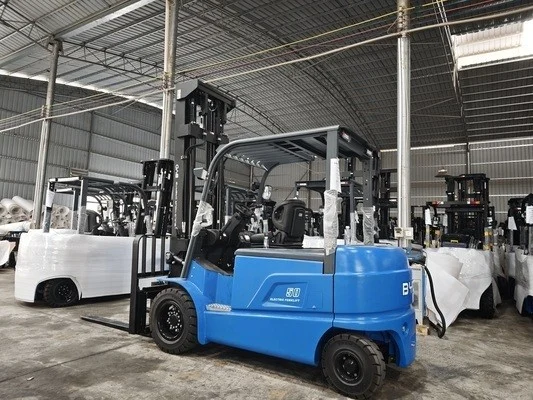
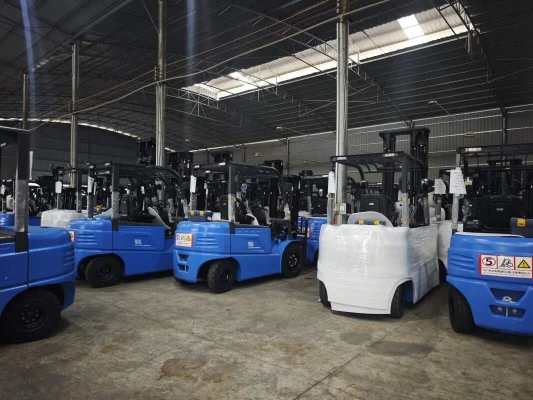
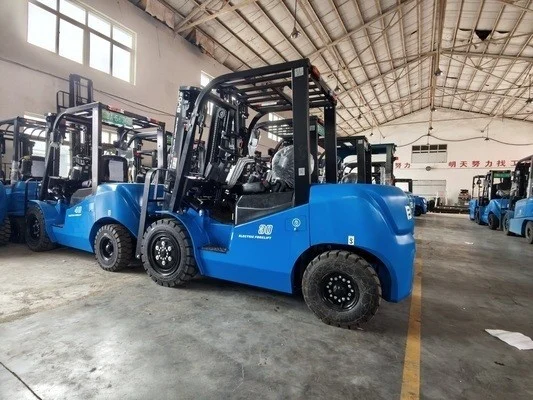
Evaluating BYD lithium forklift When Upgrading Aged Industrial Material Handling Fleets
News 08/10/2026
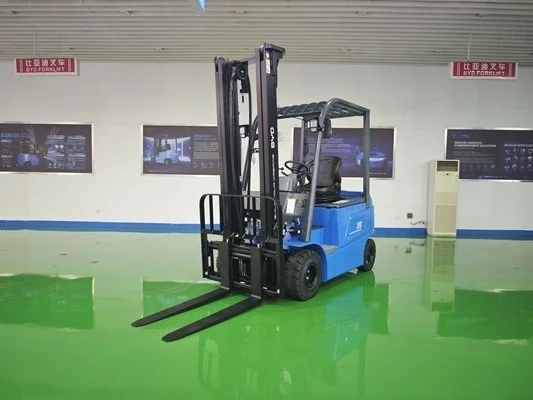
Aged internal combustion or lead-acid electric forklift fleets often bring rising maintenance costs, higher downtime, and stricter emissions regulations that push fleet managers toward upgrade options. BYD, a global leader in lithium iron phosphate (LFP) battery technology, offers a full line of lithium-powered forklifts suited to many industrial applications. This guide helps decision-makers assess whether these units fit their specific fleet upgrade needs.
Core Key Characteristics Of BYD Lithium Forklift Units
BYD builds all its lithium forklift models around its own in-house LFP battery technology. Unlike older lead-acid batteries, LFP chemistry delivers faster charging, longer cycle life, and no required maintenance related to water top-offs. Most models cover capacity ranges from 1,000 kg up to 48,000 kg, covering everything from small warehouse order picking to heavy port container handling. All units come with integrated battery systems, eliminating requirements related to separate battery swapping infrastructure in most operations.
Key Operational Benefits
Lower long-term energy costs rank among the top draws. LFP batteries convert more electricity into usable power than lead-acid alternatives, cutting per-cycle energy use. Zero tailpipe emissions make these units suitable to indoor warehouse operations and outdoor sites with strict local emissions rules. Fast charging capabilities allow operators to top up batteries during break times, extending full shift operation without dedicated downtime related to battery changes.
Common Application Scenarios
General warehousing and distribution centers represent the most common use case. Aged fleets in these facilities often deal with frequent stops and starts, which drain lead-acid batteries much faster than lithium alternatives. BYD lithium forklift units handle this duty cycle well, with consistent power output through most of the charge cycle.
Another common scenario: manufacturing facilities that operate multiple shifts. Opportunity charging during lunch and shift breaks means operations can run 24/7 with one battery per forklift, instead of requiring extra batteries used in rotation. Outdoor freight terminals and port yards also use these units, as BYD’s ruggedized models handle heavy container loads and varying weather conditions.
Selection Criteria Relevant To Fleet Upgrade Projects
Existing Infrastructure Compatibility
Before adding BYD lithium forklift units to an upgraded fleet, assess your facility’s existing electrical capacity. Fast chargers suited to larger capacity models require higher voltage input than standard lead-acid battery chargers. Work with a local electrician to confirm your building’s electrical system can support the new charging setup before installation. BYD’s dealer network can provide specific charger voltage requirements ahead of any upgrade planning.
Load Capacity And Duty Cycle Matching
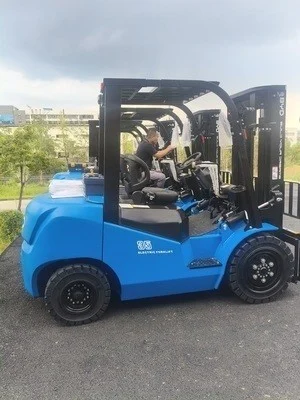
Match the forklift’s rated capacity to your heaviest regular load, plus a small safety margin. BYD offers different chassis and mast configurations across different load heights and weight classes. If your operation runs more than two shifts daily, confirm the battery’s rated cycle life meets your projected usage to avoid early battery replacement.
Total Cost Projection
Upfront purchase costs of BYD lithium forklift units are typically higher than comparable lead-acid electric models or refurbished internal combustion units. Calculate long-term costs by factoring in reduced maintenance, lower energy bills, and longer battery life to get an accurate total cost of ownership over the expected service life of the unit.
Known Limitations To Consider
No equipment works across every application, and BYD lithium forklift units have clear limitations all decision-makers must consider. Extreme cold environments (below -20°C) can reduce battery performance and range, unless you specify a cold-storage rated model from BYD’s product line. Upfront investment requirements can strain smaller operation budgets, even with long-term cost savings. Limited dealer coverage in some rural regions can lead to longer wait times when accessing service and replacement parts compared to more established local forklift brands.
Frequently Asked Questions
How long does the battery last on a BYD lithium forklift?
BYD rates most of its LFP forklift batteries between 10,000 and 15,000 charge cycles under normal operating conditions. Actual service life depends on operating temperature, charging habits, and load weight. Most operations see 7 to 10 years of regular use before battery performance drops below usable levels.
Can BYD lithium forklift operate in cold storage facilities?
BYD offers specialized cold-storage configured models suited to temperatures as low as -40°C. Standard production models do not include this insulation and temperature protection, so you must specify the cold-storage variant during ordering if your operation requires it.
Does opportunity charging damage BYD lithium forklift batteries?
No, regular opportunity charging does not damage BYD lithium forklift batteries. BYD’s LFP battery management system supports this practice, which does not cause excessive degradation unlike lead-acid batteries that develop memory issues with partial charging.
Can I replace the battery myself if it degrades over time?
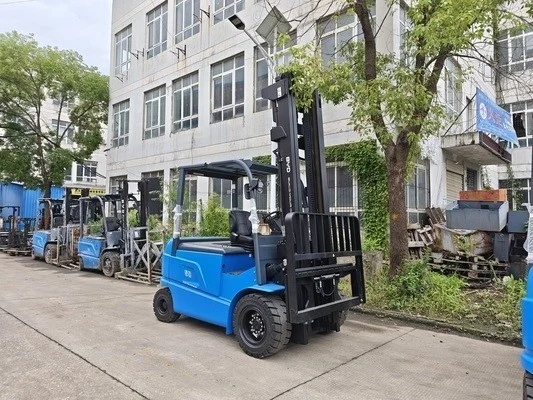
Most BYD lithium forklift batteries are integrated into the unit’s design, and replacement requires service from a trained BYD technician. This ensures proper installation and safety compliance with high-voltage battery systems.
Final Considerations And Next Steps
Upgrading an aged industrial material handling fleet is a major investment, and BYD lithium forklift units deliver strong value across many operations that need reliable, low-maintenance electric equipment. If your operation fits common use cases like warehousing, multi-shift manufacturing, or port freight handling, and your budget supports the upfront investment, these units can deliver years of reliable service with lower ongoing costs. Always request a product demonstration from your local BYD dealer to test unit performance in your specific working environment before finalizing your purchase decision. Test any specific configuration, like cold storage or heavy load capacity, to confirm it meets your operational requirements.