Comparing Battery, Diesel and LPG Powered Fork Lift Truck: Align Power Type With Your Operational Environment and Capital Budget
News 05/10/2026
Choosing the right power source matches your new fork lift truck to your operational costs, productivity and regulatory compliance across your facility. Each option—battery, diesel, and LPG—delivers distinct advantages aligned with specific work environments and budget constraints. This guide breaks down key performance attributes, use cases, limitations and cost factors to help you make a confident selection.
Core Performance Attributes By Power Type
Battery Powered Fork Lift Trucks
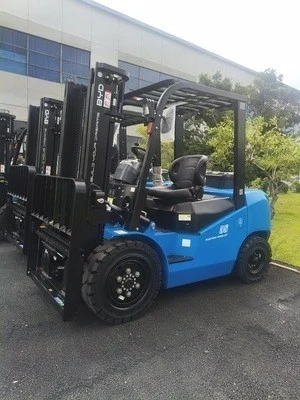
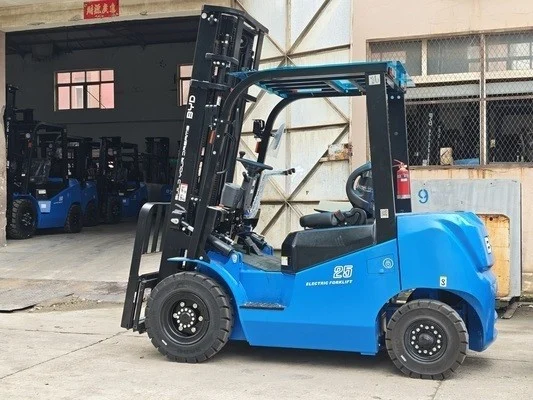
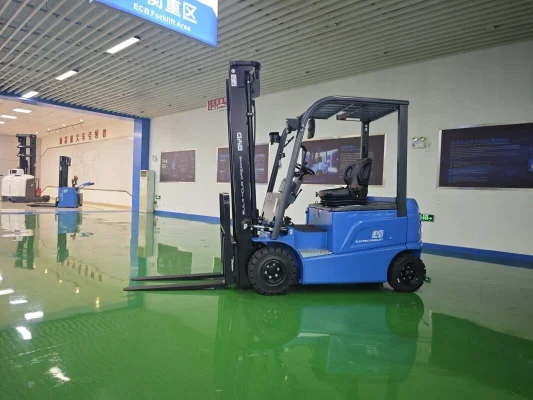
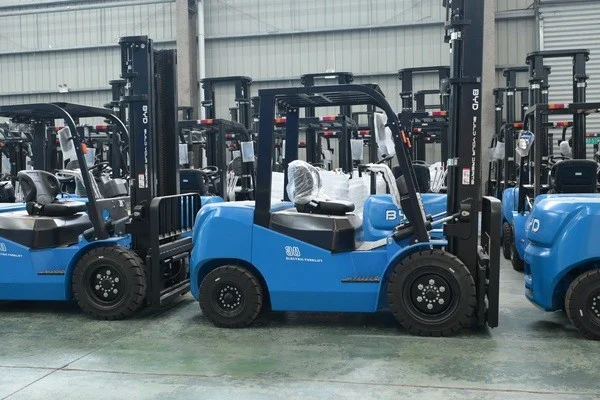
Battery powered units rely on rechargeable lead-acid or lithium-ion batteries to drive movement and lifting functions. They produce zero on-site emissions, making them suited to indoor operations such as warehousing, retail stockrooms and food processing facilities.
Key strengths include quiet operation, lower per-hour energy costs compared to fossil fuel options and zero tailpipe emissions. Main drawbacks center on longer refueling (recharging) times, higher upfront capital costs and reduced performance in extreme cold or hot temperatures. Lithium-ion batteries cut charging time but add even more upfront cost.
Diesel Powered Fork Lift Trucks
Diesel powered units run on refined diesel fuel, delivering high torque and strong performance in heavy lifting applications. These units produce significant exhaust emissions, so most regulations restrict use to outdoor or well-ventilated, non-food handling sites.
Core advantages include fast refueling, lower upfront purchase cost, excellent performance on rough terrain and ability to operate continuously through long shifts with minimal downtime. Limitations include higher per-hour fuel costs, loud operation and exhaust emissions that violate indoor air quality standards.
LPG Powered Fork Lift Trucks
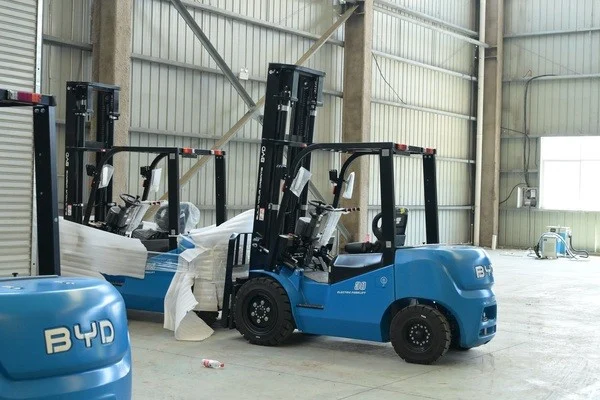
LPG (liquefied petroleum gas) powered units run on portable, pressurized gas canisters. They produce lower emissions compared to diesel, making them suited to both indoor and outdoor operations with basic ventilation.
Key benefits include fast refueling (swapping an empty canister takes just a few minutes), moderate upfront cost and consistent performance across a range of temperature conditions. Drawbacks include higher per-hour fuel costs versus battery power and ongoing canister storage requirements that must meet local safety codes.
Align Power Type To Your Operational Environment
Your primary work environment stands as the most critical factor when narrowing your options. Below are common application scenarios matched to ideal power types:
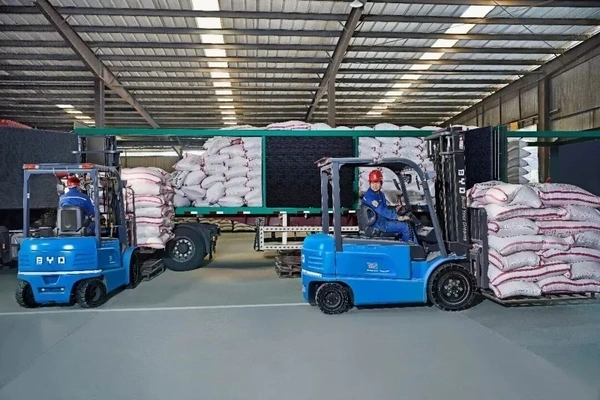
- Indoor warehousing, food and beverage processing, or retail stock management: Battery powered units work best here, as zero emissions meet indoor air quality requirements. LPG units work as a secondary option when basic ventilation is available.
- Outdoor construction sites, lumber yards, or shipping ports with rough terrain: Diesel powered units deliver the torque and durability needed in continuous heavy use in these environments.
- Mixed operations that combine indoor storage and outdoor loading: LPG powered units offer the most flexibility, as lower emissions allow indoor use and fast refueling supports continuous shifts across multiple sites.
Always check local air quality regulations before selecting a fossil fuel powered unit in indoor or semi-enclosed spaces. Many regions ban diesel use entirely inside enclosed facilities.
Match Power Source To Your Capital And Operating Budget
Upfront capital cost and ongoing operating expenses vary widely across power types:
- Upfront capital cost (low to high): Diesel < LPG < Battery. Basic diesel units carry the lowest initial purchase price, while lithium-ion battery powered units carry the highest initial price.
- Ongoing per-hour operating cost (low to high): Battery < Diesel < LPG. Battery power delivers the lowest per-hour energy cost, while LPG typically carries the highest ongoing fuel expenses.
- Maintenance cost: Battery units require regular battery service (watering required by lead-acid batteries, cooling system checks required by lithium-ion batteries). Diesel units require regular oil changes, filter changes and emission system service. LPG units require less maintenance than diesel but more than modern battery units.
If you have limited upfront capital and need multiple units, diesel or LPG options fit tighter initial budgets. If you can absorb higher upfront costs, battery power delivers lower long-term operating expenses that offset the initial investment over time.
Frequently Asked Questions
Which fork lift truck power type offers lowest long term operating cost?
Battery powered units almost always deliver the lowest per-hour operating cost. While upfront purchase cost is higher, lower energy prices and reduced maintenance requirements add up to significant savings over the life of the equipment. Savings grow larger with higher daily usage.
Can LPG fork lift trucks operate inside enclosed warehouses?
LPG units produce far lower emissions than diesel, so they can operate inside enclosed facilities with adequate general ventilation. They are not suited to food processing or other strictly controlled indoor environments that require zero on-site emissions. Always check local safety and air quality rules before using LPG indoors.
Are diesel fork lift trucks allowed inside any facilities?
Most regional regulations ban diesel powered fork lift trucks from enclosed indoor facilities due to harmful exhaust emissions. Some semi-enclosed outdoor work yards with permanent open ventilation allow diesel use, but only when ventilation meets required air quality standards.
Final Selection Guidance
Selecting the right power type matching your fork lift truck to your operation depends on two core priorities: your work environment and available budget. Battery power fits zero-emission indoor operations with long term cost reduction goals. Diesel fits heavy-duty outdoor operations with tight upfront budgets. LPG offers flexible performance in mixed indoor-outdoor operations that need fast refueling. Always test a unit in your actual working environment before final purchase, when possible, to confirm it meets your productivity and safety requirements.