BYD ECB35 Four-Wheel Counterbalance Electric Forklift: Matching Battery Capacity to Shift Patterns and Charging Windows
News 22/10/2026
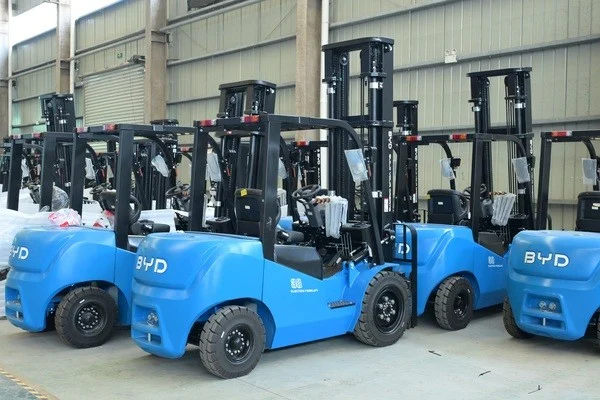
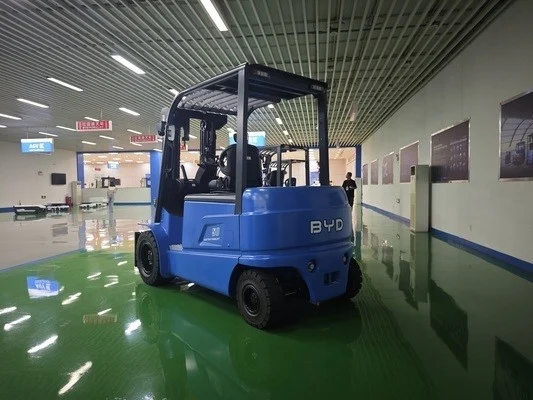
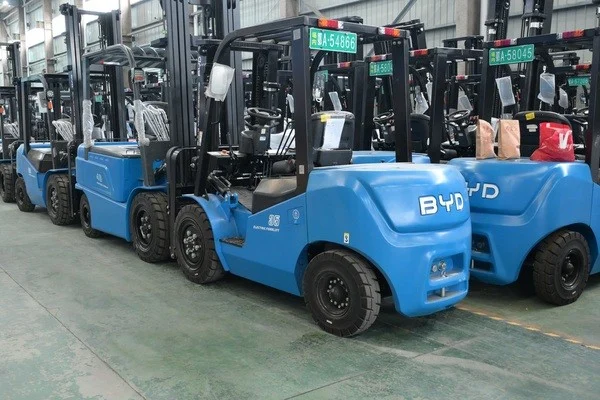
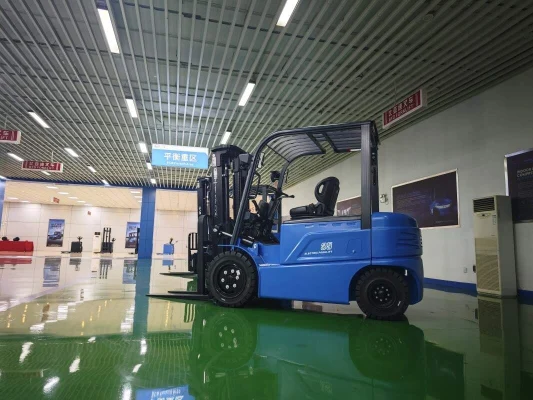
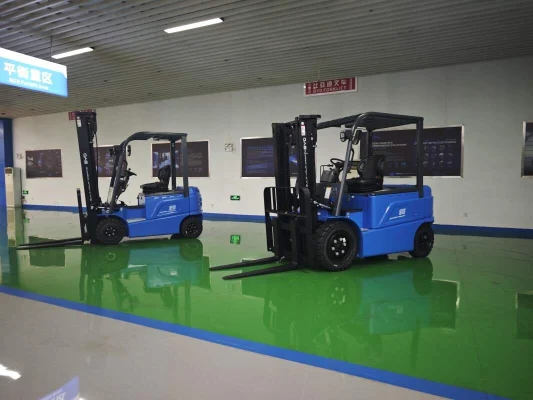
The BYD ECB35 is a popular 3.5-ton four-wheel counterbalance electric forklift, built with modular lithium battery configurations matching different operational needs. Matching the right battery capacity to your site’s shift patterns and charging windows directly impacts operational uptime and total ownership cost. This guide breaks down key factors, actionable steps and common questions to help you make the right configuration choice.
The modular design of BYD ECB35 eliminates the traditional fixed battery limitation many electric forklift users face. Unlike older electric forklift models that come with a single non-adjustable battery pack, this model lets you select battery capacity aligned exactly to your site’s unique operational constraints. This alignment directly influences two key metrics business leaders prioritize: upfront capital expenditure and long-term operational reliability. Oversized batteries add unnecessary upfront cost that takes years to offset, while undersized batteries lead to unplanned interruptions that can delay shipments, disrupt warehouse workflows, and increase labor costs when operations grind to a halt.
Core Factors Connecting Battery Capacity, Shift Patterns and Charging Windows
Daily Shift Intensity and Runtime Requirements
Shift patterns determine total daily runtime your forklift needs, which directly drives energy demand. Single-shift operations typically run 6 to 8 hours daily, with moderate work intensity. These operations can work well with lower capacity battery packs, especially when off-hours charging is available. Operations handling intermittent workloads with long idle periods between tasks see lower overall daily energy demand, even if their nominal shift length falls in the 8-hour single-shift range.
Double or triple-shift operations run 12 to 24 hours daily, with consistent or high work intensity. These operations require higher capacity batteries to avoid unexpected power depletion mid-shift. Energy demand also changes based on your work nature: frequent heavy load lifting, long distance travel on slopes and continuous operation all increase hourly energy consumption.
Charging Window Availability
Your site’s available charging time works alongside shift patterns to determine required battery capacity. If your site offers no mid-shift charging breaks, your battery must hold enough energy to cover full shift runtime on a single full charge.
If your team can take 30 to 60 minute breaks mid-shift, you can leverage the BYD lithium battery fast charging capability. A 30 minute top-up can add 30% to 50% extra runtime, letting you match a smaller capacity pack to longer shift patterns without sacrificing uptime.
Actionable Configuration Matching Steps
Follow these steps to narrow down the right battery capacity option that fits your BYD ECB35:
- Map your full weekly operational schedule. Document each shift start and end time, mark all gaps where charging can take place. Note any seasonal changes to your operation schedule.
- Calculate average hourly energy consumption based on your typical work. Account for average load weight, average lift height, number of work cycles per hour, and any regular travel on sloped ground.
- Compare total daily energy demand against your available charging output. BYD lithium batteries support fast charging, but maximum charging speed depends on your site’s installed charger output. Confirm your charger capability before finalizing capacity selection.
- Add a small buffer to cover unexpected workload changes. Most operations add 10% to 15% extra capacity beyond calculated demand to handle peak days.
Common matching mistakes include over-sizing capacity that increases upfront purchase cost, or under-sizing capacity that causes unplanned downtime. Many operations can save cost by leveraging opportunity charging to match a smaller capacity pack to longer shifts. Many sites overlook charger output when selecting battery capacity, which can create a scenario even a correctly sized battery cannot recharge fast enough to fit available charging windows.
Frequently Asked Questions
Does BYD ECB35 accept frequent opportunity charging?
BYD lithium iron phosphate batteries built into this model support frequent opportunity charging, with no significant negative impact on battery lifespan under standard operating conditions. This feature creates more flexible matching between capacity and your shift patterns.
Can I upgrade battery capacity after delivery?
This model supports battery replacement, but any capacity change requires alignment with original factory specifications. We recommend confirming your capacity matching before placing your order to avoid extra modification cost and operational downtime.
What buffer size fits most operations?
Most standard warehouse and yard operations get good results with a 10% to 15% buffer above calculated energy demand. If your operation includes frequent heavy load transport over long distances or regular travel on slopes greater than 5%, increase this buffer to 20% to account for higher energy consumption.
If you need personalized help to confirm which battery capacity fits your BYD ECB35, share your site operational details with our team, we can help you finalize the optimal configuration.