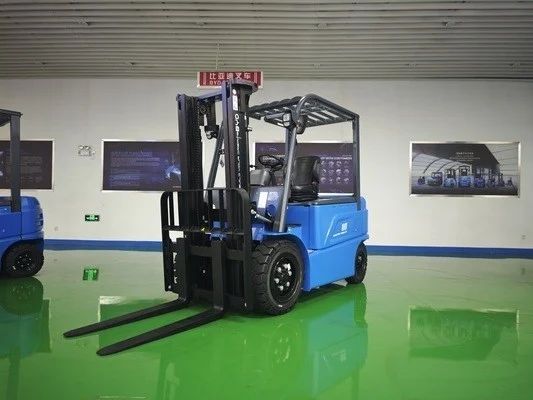
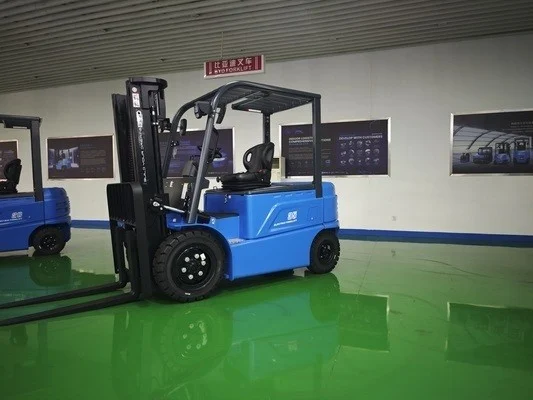
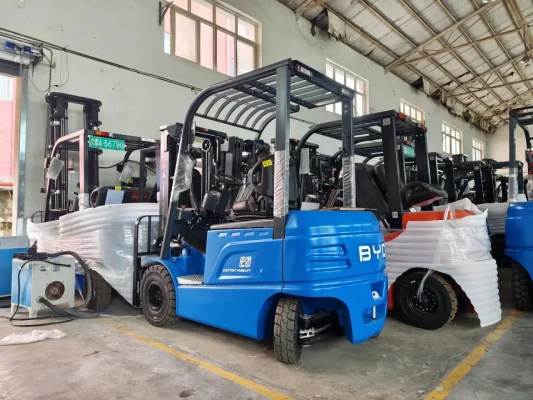
Energy-Efficient Electric Forklifts Available Balancing Industrial Procurement Budget Parameters and Operational Performance Requirements
News 07/10/2026
Industrial operations rely on dependable material handling equipment to keep workflows moving. When sourcing new lifting equipment, procurement teams constantly face the challenge of aligning available options with strict budget limits while meeting daily performance demands. Energy-efficient electric forklifts have grown in popularity across warehouses, distribution centers, and manufacturing facilities, thanks to their lower long-term costs and smaller environmental footprint. This guide breaks down key evaluation points to help you balance budget parameters and operational needs when exploring available options.
Core Benefits Of Energy-Efficient Electric Forklifts
Energy-efficient electric models stand apart from traditional internal combustion (IC) forklifts in several key areas that impact both budget and performance:
Lower Long-Term Operating Expenses
Electricity costs less per hour of operation than gasoline, diesel, or propane. Energy-efficient models include advanced battery management systems that reduce energy waste, cutting monthly utility bills related to equipment operation. Many facilities report total operating costs drop compared to IC forklifts, though exact savings depend on local energy rates and usage intensity.
Zero On-Site Emissions
Electric forklifts produce no exhaust during operation, making them well-suited to indoor work environments. They support compliance with indoor air quality standards and create safer work spaces for on-site staff.
Reduced Maintenance Requirements
Electric powertrains have far fewer moving parts than combustion engines. You avoid oil changes, filter replacements, spark plug service, and other routine maintenance tasks common with IC models. This cuts annual maintenance spending and reduces unplanned downtime that disrupts workflows.
Key Budget Parameters To Evaluate During Procurement
Balancing budget starts with understanding all cost components, not just the upfront purchase price:
Upfront Acquisition Costs
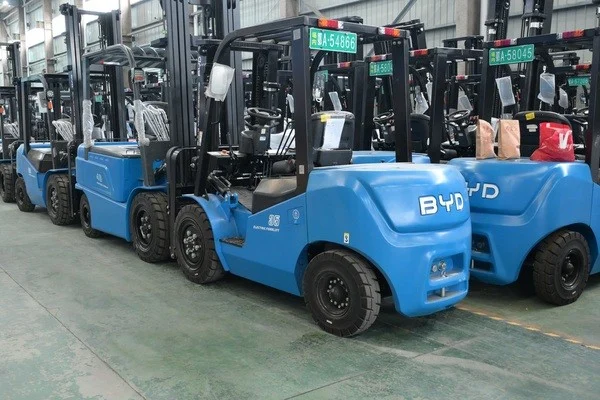
Energy-efficient electric forklifts typically carry a higher initial price tag than comparable IC forklifts. This often leads procurement teams to rule them out early, even when long-term savings offset the initial investment. You can explore new, used, and refurbished options to bring upfront costs in line with your current budget allocation.
Long-Term Energy Expenses
Calculate expected annual energy use based on your daily operation hours. Advanced lithium-ion batteries offer higher energy efficiency than lead-acid alternatives, which translates to lower ongoing costs. Factor in any infrastructure upgrades you need, such as new charging stations, when mapping total budget impact.
Maintenance And Replacement Scheduling
Allocate budget for battery replacement over the lifespan of your forklift. Lead-acid batteries typically need replacement every 3-5 years with regular use, while lithium-ion batteries often last 8-10 years. Include this scheduled replacement cost in your long-term budget projections to avoid unexpected expenses down the line.
Matching Performance Requirements To Your Operation
Every facility has unique performance needs. Align your selection with these core operational factors:
Load Capacity And Lift Height Alignment
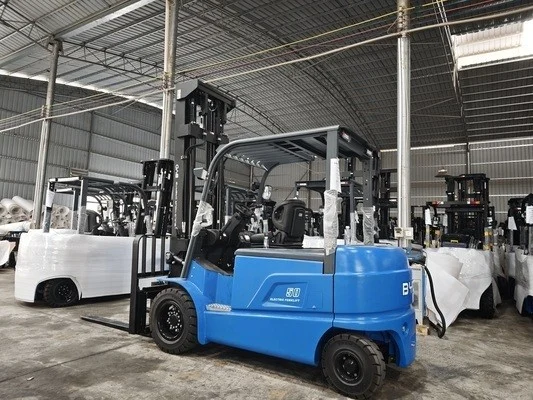
Energy-efficient electric forklifts come in a wide range of load capacities, from 3,000 pound entry-level models up to 30,000 pound heavy-duty units. Match the rated capacity to the heaviest loads you handle regularly, and confirm lift height meets the maximum shelf height in your facility. Overspecifying your forklift drives up unnecessary costs, while underspecifying creates safety risks and premature wear.
Run Time Between Charges
Multi-shift operations need forklifts that can keep up with full work days. Lithium-ion models support opportunity charging during breaks, which lets you extend run time without full battery swap. Lead-acid batteries require 8-10 hours charging after a full shift, so you need extra batteries to keep multiple shifts running. Factor this into your selection based on your daily operating schedule.
Maneuverability Matching Your Facility Layout
Narrow aisle warehouses need compact, maneuverable forklifts designed to turn in tight spaces. Larger outdoor yards require more robust models with solid tires and higher ground clearance. Confirm the turning radius and overall dimensions of any electric forklift fit your facility’s layout before purchasing.
Common Limitations To Plan Around
Energy-efficient electric forklifts do not work for every operation. Be aware of these key limitations early in your procurement process:
- Charging infrastructure requirements: You need dedicated, well-ventilated space for charging stations, especially for lead-acid batteries that release gasses during charging. Lithium-ion chargers require higher electrical capacity, so you may need facility upgrades to support them.
- Cold storage performance: Lead-acid batteries lose capacity in extreme cold temperatures, which reduces run time in cold storage facilities. Specialized low-temperature lithium-ion batteries mitigate this issue but add to upfront costs.
- Outdoor use constraints: Most entry-level electric forklifts are not designed for heavy exposure to rain, snow, or wet uneven terrain. You can find sealed, weather-resistant electric models, but these come at a higher price point.
Frequently Asked Questions
What load capacities do energy-efficient electric forklifts support?
Energy-efficient electric forklifts support capacities ranging from 2,000 pounds for small warehouse models up to 40,000 pounds for heavy-duty industrial models. You can find options matching nearly any common material handling need, regardless of size.
How do I calculate total cost of ownership within my procurement budget?
Start with the upfront purchase cost plus any necessary charging infrastructure upgrades. Add projected annual energy and maintenance costs, multiplied by the expected lifespan of the forklift. Finally, add the cost of any scheduled battery replacement. Divide this total by the number of operating years to get your annual total cost, which you can compare against your budget.
Can energy-efficient electric forklifts support outdoor operations?
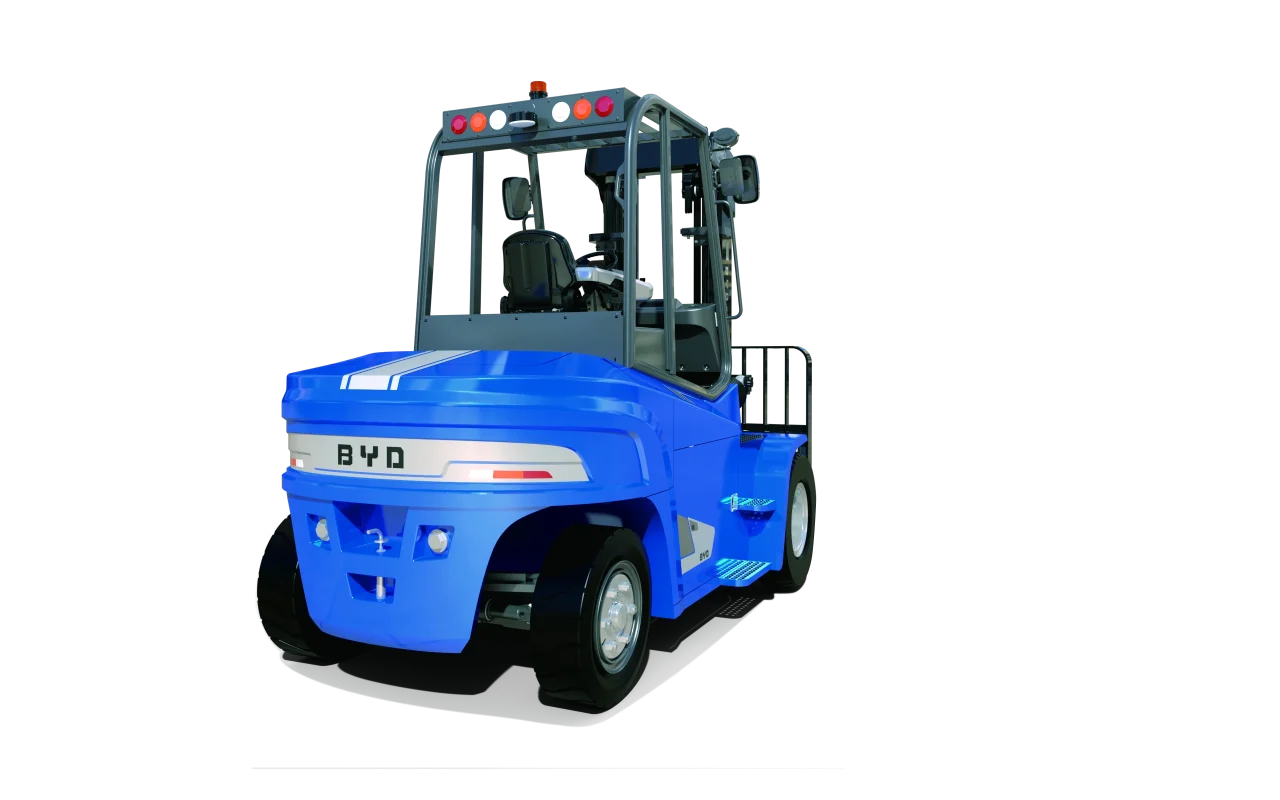
Specialized weather-sealed energy-efficient electric forklifts work well for light to moderate outdoor use. They do not match the performance of heavy-duty IC forklifts in extreme wet, muddy, or uneven terrain during continuous outdoor work. Always check the manufacturer’s environmental rating before purchasing an electric model suited to outdoor work.
What battery options come with available electric forklifts?
Most available electric forklifts offer two core battery options: lead-acid and lithium-ion. Lead-acid batteries cost less upfront but require more maintenance and shorter replacement cycles. Lithium-ion batteries cost more initially, offer higher energy efficiency, longer lifespan, and support opportunity charging during work breaks.
Actionable Next Steps
Before you finalize your procurement decision, complete these three steps to ensure you balance budget and performance:
- Map your core operational requirements including daily run time, maximum load, facility layout, and working environment to narrow down eligible options.
- Calculate total cost of ownership over the expected lifespan of the forklift, instead of focusing solely on upfront purchase price.
- Test demo units from suppliers within your budget range to confirm performance matches your daily work needs.
This structured approach helps you select an energy-efficient electric forklift that fits your budget and delivers reliable performance your operation needs.