Assessing Electrical Forklift Maneuverability Requirements Within Narrow Aisle Warehouse Layouts
News 15/10/2026
Third-party logistics warehouses rely on narrow aisle layouts maximize storage density and support variable client inventory demands. Proper electrical forklift maneuverability matching your layout prevents rack damage, reduces operational delays and lowers safety risks. This guide breaks down core assessment steps, relevant parameters and selection guidance tailored to this high-throughput work environment.
Core Maneuverability Parameters Impacting Narrow Aisle Operations
Every narrow aisle layout has unique clearance constraints, so you must prioritize parameters that directly impact daily operations. The most critical metrics include:
- Right-angle stacking width: This measurement describes the minimum clear space a forklift needs to turn 90 degrees and stack or retrieve a pallet. Third-party logistics warehouses prioritize this metric, because most order picking and putaway tasks involve 90-degree turns into racking bays. When purchasing, measure your actual clear aisle width between upright racking, subtract any protrusions such as rack protectors or sprinkler pipes, then compare against the manufacturer published value. Acceptable operation requires your aisle width exceed the rated right-angle stacking width by a small safety margin. If you handle multiple load sizes, base your assessment your largest standard pallet.
- Turning radius: This value captures the smallest circular space the forklift needs to complete a full turn. Tighter turning radii work better in narrow aisles, but often come with tradeoffs in maximum load capacity. When verifying this parameter, confirm the rating includes your typical maximum load, not just an unloaded vehicle. Some manufacturers list unloaded turning radii which do not reflect real world operation.
- Rear overhang: Counterbalance models extend weight behind the rear axle stabilize loads. This overhang can hit racking or wall edges during turns in tight spaces. For narrow layouts, check overhang clearance at every turning point along your aisles.
Operator skill also impacts how well a forklift navigates tight spaces, so model selection should align with your team’s average experience level.
Common Electrical Forklift Types Matching Narrow Aisle Layouts
Different electrical forklift designs offer varying maneuverability traits. The table below compares key attributes, risks and confirmation items specific to third-party logistics narrow aisle warehouses:
| Forklift Type | Key Maneuverability Parameters | Third-Party Logistics Warehouse Risk | Items Confirm With Supplier | Optional Configurations |
|---|---|---|---|---|
| Stand-Up Reach Forklift | Turning radius, right-angle stacking width | Reduced operator visibility at high lifting heights | Clear stacking width matching your aisle dimension | Camera systems, side-shifting forks |
| Narrow Aisle Turret Truck | Head clearance, mast rotation range | Lower travel speed reduces throughput during peak volume | Maximum lifting height matching your racking design | Automated guidance systems, cold storage protection |
| Electric Pallet Jack | Overall length, turning circle | Not suitable for high-level stacking, only horizontal transport | Minimum turning clearance with loaded pallets | Scale integration, fast-swap battery systems |
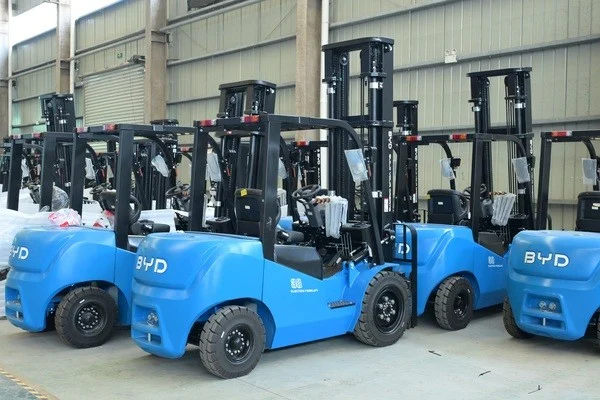
| Compact Counterbalance Electrical Forklift | Overall width, rear overhang | Requires wider aisle, reduces available storage space | Rear overhang clearance when turning | Solid cushion tires, adjusted chassis design |
Every model’s maneuverability changes based on load size and mast height, so never rely on generic ratings alone.
Step-by-Step Assessment: Your Narrow Aisle Warehouse Layout
Follow these structured steps get an accurate assessment before purchasing:
- Map your actual aisle dimensions: Measure clear width between racking at multiple points along the aisle, account for any obstacles such as drainage covers, rack protectors or work platforms. Do not rely on architectural blueprints alone, as on-site installation often shifts racking positions slightly.
- Document your typical load profiles: Note the most common pallet sizes, maximum load weights and lifting heights your team uses daily. Maneuverability ratings change with load size and weight, so base your assessment your most frequent operation conditions.
- Test turning and stacking clearance: If possible, arrange an on-site demonstration with your selected forklift model using a full representative load. Walk every common route to check for clearance issues during turns, reversing and stacking.
- Evaluate operational tradeoffs: Tighter maneuverability often comes with tradeoffs in maximum load capacity, lifting height or operator comfort. Evaluate these tradeoffs against your warehouse peak throughput needs before finalizing your selection.
Pre-Purchase Checklist: Third-Party Logistics Narrow Aisle Warehouses
Before you finalize your order, confirm these items with your supplier:
- Maneuverability ratings tested with your maximum load size and weight
- Clear documentation of all safety clearances your layout needs
- Warranty coverage applicable to your operation conditions
- Operator training resources matching your selected model
- Ready availability of replacement parts for critical steering and maneuvering components
Third-party logistics warehouses often see shifting client demands, so confirm your selected model can adapt small adjustments to racking layout if your inventory needs change over time.
Frequently Asked Questions
Can standard counterbalance electrical forklifts work narrow aisles?
Most standard counterbalance models require wider clear aisles than most narrow layout designs. You may fit some smaller compact models extremely tight spaces, but this reduces operational speed and increases collision risk with racking. Always test turning clearance with your full expected load before committing to a purchase.
How does maneuverability impact overall warehouse throughput?
Tight aisles increase storage density, but poorly matched maneuverability slows putaway and retrieval cycles. Operators spend extra time adjusting positioning, which reduces daily order output. Matching forklift turning radius aisle width eliminates this unnecessary delay.
Do all narrow aisle electrical forklifts require special guidance systems?
Some very narrow aisle models rely on wire or rail guidance systems maintain consistent positioning. Many smaller reach models work without guidance systems for standard narrow aisle layouts. Confirm your layout minimum width and operator skill level before selecting this optional configuration.