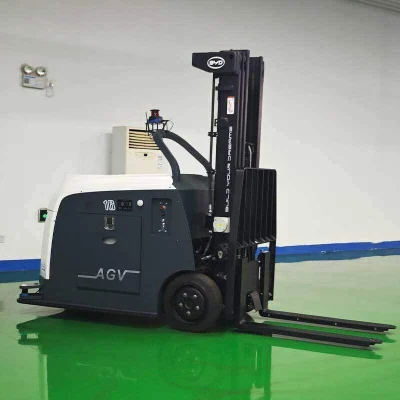
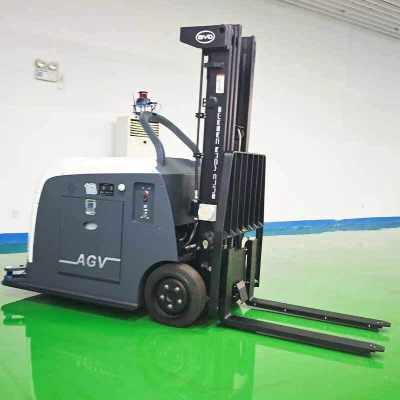
BYD Electric Forklift Flexible Configurations Accommodate Third-Party Logistics Variable Operational Demands
News 20/10/2026
Third-party logistics (3PL) operations handle constantly changing tasks, client requirements, and site conditions across daily work. Fleets must adapt to varied load types, storage layouts, shift schedules, and throughput demands without investing in dozens of specialized units. BYD electric forklift flexible configurations let 3PL operations align equipment capabilities with variable needs, reducing unnecessary upfront cost and improving overall operational efficiency. This guide breaks down key configurations, verification steps, and selection criteria tailored to 3PL operations.
Core Operational Variables Third-Party Logistics Operations Face
3PL operations differ from fixed-site manufacturing or retail warehouse work because task requirements shift regularly. Key variables that impact forklift configuration selection include:
- Variable load types and weights: 3PL providers handle anything from small parcel pallets to heavy industrial goods across different client accounts, often within the same week.
- Changing site layouts: Many 3PL operations manage multiple client sites, or reconfigure existing warehouse space frequently to meet new client contracts, so equipment must fit different aisle widths and storage heights.
- Variable shift and throughput demand: Peak seasons or new client contracts can push daily throughput far above average baseline levels, requiring energy systems that adapt to changing work hours.
- Diverse handling requirements: Some clients require specialized load handling, such as clamped goods or non-standard pallet sizes, so forklifts must accommodate different work tools.
These variables make flexible configuration far more critical across 3PL fleets than fixed-site operations, where requirements stay consistent year round.
Key BYD Electric Forklift Configurations That Adapt To 3PL Needs
Power and Battery Configurations
Battery configuration tops the list of critical flexible options across 3PL fleets. Below is the breakdown this configuration category:
- Configuration focus: Battery capacity, charging design, and swap capability
- Why 3PL cares: Variable daily task volume means under-sized batteries cut throughput during peak periods, while over-sized batteries add unnecessary upfront and maintenance cost to your fleet.
- Procurement verification: Confirm available battery capacity options match your average daily shift length and peak seasonal throughput. Ask dealer documentation about charging time requirements aligned with your site’s available downtime.
- Configuration tradeoffs and limits: Quick-swap battery systems enable continuous operation across multiple shifts, but they require dedicated on-site space for battery storage and charging. If your site lacks extra space, a high-capacity on-board battery may fit your needs better.
Mast and Lifting Configurations
Mast configuration must adapt to different client storage requirements, especially when your fleet operates across multiple sites:
- Configuration focus: Maximum lifting height, residual load capacity, and free lift clearance
- Why 3PL cares: A mast built for lower storage heights cannot handle client requests that require lifting loads to higher rack levels. Incorrect residual load ratings lead to unsafe operation and equipment damage when handling maximum loads at full height.
- Procurement verification: Confirm maximum lifting height matches your tallest storage rack across all operating sites. Check residual load capacity at maximum height, especially when you plan to use aftermarket attachments.
- Configuration tradeoffs and limits: Higher mast designs require wider chassis to maintain stability during lifting. If you operate in narrow aisles, confirm the wider chassis required by high masts still fits your narrowest aisle clearance.
Attachment and Chassis Configurations
Flexible attachment and chassis options let 3PL fleets adapt to different load types and site layouts:
- Configuration focus: Attachment compatibility, chassis width, and turning radius
- Why 3PL cares: Fixed standard forks cannot handle non-standard load types, leading to damaged goods and slower turnarounds that hurt client satisfaction. Incorrect chassis width prevents operation in narrow aisles that are common many modern 3PL warehouses.
- Procurement verification: Confirm your selected BYD model supports any custom third-party attachments you need. Share your narrowest aisle clearance with your dealer to confirm chassis width and turning radius work across your sites.
- Configuration tradeoffs and limits: Narrow chassis designs reduce maximum load capacity slightly compared with standard width chassis. Heavier custom attachments also lower residual load capacity, so always adjust your base load rating selection to reflect this change.
Configuration Comparison Matrix: 3PL Operations
| Configuration Type | Standard Option | Optional Upgrade | 3PL-Specific Risk | Verification Item |
|---|---|---|---|---|
| Battery System | Standard on-board charging | High-capacity pack / quick-swap | Insufficient capacity during peak seasons | Confirm runtime matches your longest peak shift |
| Mast | 3m standard lifting height | Custom height up to manufacturer spec | Inadequate residual load at full height | Test load handling at maximum operating height |
| Attachments | Fixed standard forks | Adjustable forks / custom attachment compatibility | Reduced load capacity with heavy attachments | Confirm residual load rating with intended attachment |
| Chassis Width | Standard width mated to 2.5m aisles | Narrow aisle custom chassis | Reduced stability at full lift height | Confirm turning radius clearance within your narrowest working aisle |
Pre-Purchase Configuration Check Steps: 3PL Buyers
- Map all operational variables your fleet will face: document average and peak load weights, minimum aisle widths across all active sites, maximum storage heights, number of daily shifts, and total downtime allocated to charging each day.
- Prioritize configurations based on your most frequent tasks: If 80% of your work handles standard pallets in standard aisles, only invest in modular upgrades that let you add capacity or change attachments when needed, rather than buying fully upgraded units up front.
- Confirm all compatibility claims with your BYD dealer: Get written documentation that your selected chassis supports the mast height and attachments you intend to use. Do not rely on general marketing claims about flexibility.
- Test your selected configuration under your typical operating conditions when possible: Complete test runs turning in narrow aisles, lifting maximum loads to full height, and check runtime across a full shift to confirm performance matches your requirements.
Following these steps helps you avoid costly misconfiguration that can disrupt operations after delivery.
Frequently Asked Questions
Can BYD electric forklifts adapt to multiple 3PL client sites with different layouts?
Many BYD electric forklift models offer configurable chassis width and turning radius options. However, you must confirm your narrowest aisle clearance matches the selected model’s specifications before deployment across multiple sites. Custom narrow chassis configurations work well most multi-site 3PL operations, but always test turning clearance on site to avoid unexpected operational disruptions.
What battery configuration works best with multi-shift 3PL operations?
Two main options fit multi-shift work: high-capacity integrated batteries or quick-swap battery systems. High-capacity batteries work effectively if your site has enough downtime between shifts allocated to full charging. Quick-swap systems let you switch batteries in minutes to support continuous operations, but they require extra on-site space allocated to battery storage and charging infrastructure.
Do all BYD electric forklift models support custom third-party attachments?
Not all models support custom attachments. You must share your intended attachment type and weight with your BYD dealer to confirm compatibility, and get a written residual load rating that reflects the attachment’s weight before completing your purchase.
How do I accommodate variable peak seasonal demand in my configuration selection?
You can select a base configuration that matches your average annual demand, and add modular upgrades such as extra battery packs or interchangeable attachments that let you scale capacity during peak seasons. Confirm your base model supports these modular upgrades when placing your original order to lock in this flexibility.
Flexible forklift configurations help 3PL operations respond quickly changing client needs without expanding fleet size unnecessarily. BYD electric forklift configurable options let you match equipment capabilities to your specific operational variables, but always verify every detail against your own site requirements before finalizing your purchase.