BYD Forklifts Available: Selecting Specifications Suited To Cold Storage Material Handling Low-Temperature Operations
News 16/10/2026
Businesses searching BYD forklifts on sale need understand cold storage operations impose unique demands on material handling equipment. Low temperatures affect component performance, battery life, and overall reliability, so selecting proper specifications prevents costly downtime and extends equipment service life. This guide walks through core requirements and key specifications to consider when choosing BYD forklifts suited to cold storage low-temperature work.
Core Low-Temperature Requirements Cold Storage Operations
Cold storage facilities cover a wide range of temperature zones, each placing different stress on forklift components. Most operations fall into two main categories: chill storage (temperatures between 0°C and -18°C) and frozen storage (temperatures below -18°C, often dropping to -30°C or lower). Any forklift working these environments must resist brittleness in rubber components, maintain consistent battery output, and prevent hydraulic fluid thickening that impairs operation.
Condensation Management Impact Long-Term Reliability
Another key factor cold storage operations is condensation formation. Forklifts moving between cold interior storage spaces and warmer loading areas experience rapid temperature changes that cause moisture buildup on electrical components. Unprotected wiring and battery systems develop corrosion over time, leading premature failure. Quality BYD forklifts built cold storage use include sealed electrical connections and moisture-resistant coatings to combat this issue.
Key BYD Forklift Specifications To Prioritize
Battery Configuration
BYD builds most its forklifts with lithium iron phosphate (LFP) batteries, which inherently offer better low-temperature performance than traditional lead-acid alternatives. Even with this advantage, not all LFP configurations work well sub-zero temperatures.
If your regular operating temperature stays above -10°C, a standard LFP battery may meet your needs, but you should still confirm the battery management system includes low-temperature protection features. For operations below -10°C, select units equipped with integrated battery preheating. This system warms the battery to optimal operating temperature before use, preserving output and reducing capacity loss in cold conditions.
Hydraulic System Specifications
Standard hydraulic lubricants thicken significantly at sub-zero temperatures, slowing mast movement and reducing overall forklift responsiveness. BYD forklifts configured cold storage use use low-viscosity lubricants rated to your operating temperature range. They also include improved sealing on all hydraulic cylinders to prevent leaks caused by repeated temperature expansion and contraction. When reviewing specifications, always confirm the lubricant rating matches your facility lowest expected operating temperature.
Mast, Tire, and Chassis Adjustments
Cold storage facilities often use high-density racking to maximize storage space, which means narrow aisles require compact forklift chassis and mast designs. Match lift height to your tallest racking, just as you would any other warehouse, but check that all hydraulic hoses and mast components use cold-resistant rubber compounds.
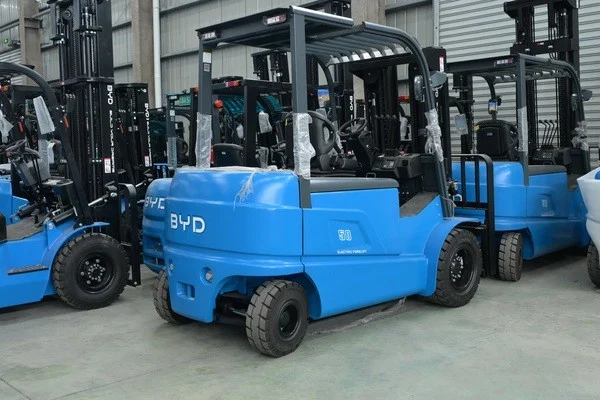
For tires, select compounds formulated to resist cracking in constant low temperatures. Solid cushion tires fit narrow aisle operations, while solid pneumatic tires offer better stability for heavier loads and occasional movement outside cold storage into loading yards. Avoid standard rubber tires, as they become brittle and crack quickly under consistent sub-zero conditions.
Lift Capacity Matching
Cold storage operations often handle pallets of frozen food, pharmaceuticals, or other temperature-sensitive goods. Confirm your selected BYD forklift offers enough lift capacity to handle your maximum loaded pallet weight at your maximum lift height. Low temperatures do not change the rated capacity, but extra weight from cold-temperature modifications (like battery preheating systems) may slightly reduce available capacity, so account for this adjustment when making your selection.
Frequently Asked Questions
Can standard off-the-shelf BYD forklifts operate in cold storage?
Standard BYD forklifts built general warehouse use do not include cold-specific modifications. Their standard lubricants, rubber components, and electrical sealing do not withstand consistent sub-zero temperatures or repeated condensation cycles. Operating a standard unit in cold storage leads to more frequent breakdowns and shorter overall service life, so you should always select a unit configured specifically cold storage operations.
How much extra capacity do I need my battery in cold storage?
Low temperatures reduce available battery capacity between 10 percent and 30 percent, depending on how low your operating temperature drops. To avoid mid-shift power outages, calculate your daily energy needs and add 20 percent extra capacity to your order. This buffer accounts for capacity loss and supports full shift operation without unexpected interruptions.
Are electric BYD forklifts better than internal combustion units cold storage?
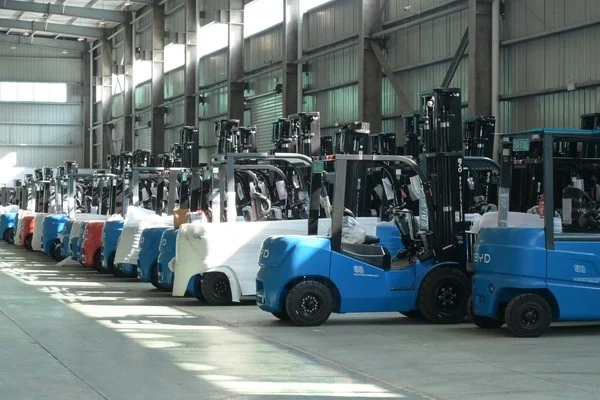
Internal combustion units emit exhaust that can contaminate temperature-sensitive goods, and they also produce unwanted heat that disrupts cold storage temperature control. Electric BYD LFP forklifts produce zero emissions, generate minimal excess heat, and deliver consistent performance when properly configured cold temperatures. This makes them the preferred choice most cold storage operations.
When evaluating available BYD forklifts, always share your facility exact temperature range, aisle width, maximum lift height, and average load weight with your supplier. This information helps them confirm the selected specifications match your unique operational needs, reducing risk of misconfiguration and unexpected costs after delivery.