Specifying a Four-Wheel Counterbalance Electric Fork Lift Truck: How Load Center, Mast Derating, and Battery Configuration Affect Real Capacity
News 22/10/2026
When specifying a four-wheel counterbalance electric fork lift truck, many buyers only focus on the nominal weight rating printed on the unit nameplate. This common oversight leads to underpowered units that cannot handle daily work requirements. Three core factors change a truck’s real working capacity: load center position, mast derating, and battery configuration. Understanding how these factors interact helps you select the right unit matching your operation needs.
What Is Real Rated Capacity Of Your Four-Wheel Counterbalance Electric Fork Lift Truck?
Nominal capacity printed on manufacturer nameplates uses standardized testing conditions. All ratings assume your cargo center sits a specific distance from the fork carriage vertical face, called the standard load center. Most full-size models use a 500mm standard load center, matching typical palletized cargo dimensions.
Ratings also assume standard mast height and factory configured counterweight. When any of these conditions change, the real usable capacity of your truck changes too. Many new buyers do not account for these deviations, leading to overloaded trucks that suffer accelerated wear or create unsafe working conditions.
How Load Center Shifts Change Available Capacity
This increased leverage reduces the maximum weight your truck can lift safely. A truck rated 3 tons at 500mm load center will see usable capacity drop once the load center moves beyond this mark.
- Longer cargo = further load center shift = lower usable capacity
- Oversized non-palletized cargo requires careful load center measurement before you select your truck
- Even cargo within nominal weight can exceed the truck’s safe capacity if load center sits too far out
Always measure your most common cargo dimensions before finalizing your specification. Share your measurements with our team to confirm which BYD four-wheel counterbalance electric forklift matches your needs.
Mast Derating Impact On Real-World Performance
Mast derating refers to the drop in usable capacity as your required lift height increases. Higher lift heights require taller, heavier mast sections that shift the truck’s overall center of gravity upward. This shift reduces the maximum safe weight the truck can lift at full height.
- Dual stage masts typically have lower derating across common lift heights
- Triple stage masts with full free lift have higher derating at maximum lift height
Always specify your maximum required lift height when you select your truck. Do not rely solely on nominal capacity, which almost always uses the lowest standard lift height testing conditions.
Battery Configuration Effects On Overall Capacity
Counterbalance electric forklifts use battery weight as part of the truck’s total counterweight. Different battery chemistries and capacity options have different total weights, which can alter the truck’s overall counterbalance and change usable capacity.
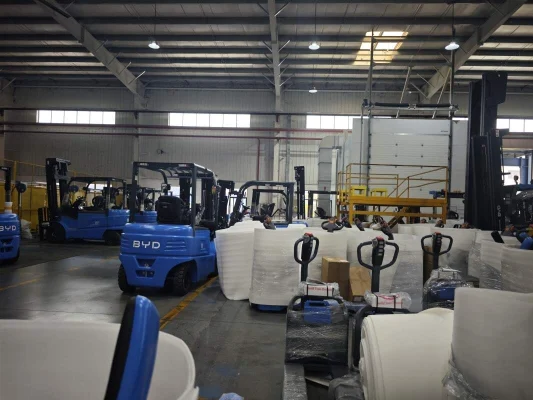
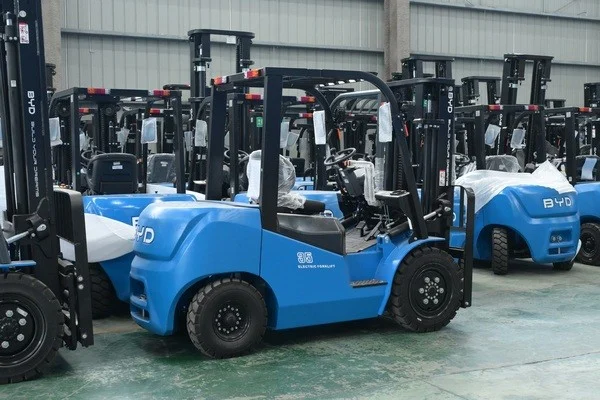
BYD lithium battery powered four-wheel counterbalance electric forklifts integrate battery weight into the truck’s original counterbalance design. This integration minimizes shifts to usable capacity across different available battery configurations. Larger capacity lithium batteries support longer work shifts between charges, with minimal impact on the truck’s rated capacity.
If you run multiple daily shifts, you can choose a larger battery or add fast charging capabilities matching your operation. Our team can help you compare configuration options that fit your work schedule.
Frequently Asked Questions
Does cargo size matter more than cargo weight when specifying my unit?
Both metrics play equal critical roles. Cargo size determines load center position, which directly changes available capacity. Heavy cargo that fits within the standard load center falls within the truck’s rated capacity, while light cargo with an extended load center can exceed available safe capacity. Always confirm both metrics before making your final selection.
Where can I find mast derating values of my target model?
Official manufacturer documentation lists derating values across common lift heights. Our team can share official specification documents matching your required four-wheel counterbalance electric fork lift truck configuration.
Can lithium battery configurations support multi-shift daily operation?
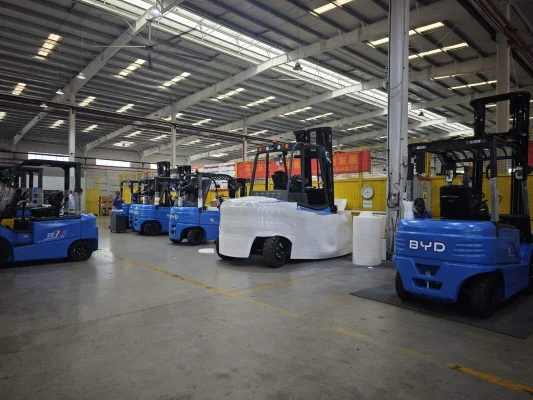
BYD four-wheel counterbalance electric forklift models offer multiple lithium battery configurations matching different work schedule requirements. Fast charging capabilities let operators top up battery power during break periods. Share your work schedule details with our team to get matching configuration recommendations.
If you need help specifying your BYD four-wheel counterbalance electric forklift, share your cargo dimensions, required lift height, and daily work schedule with our team to get customized guidance.