How Many Types of Forklift Are There: A Procurement Guide to Battery, Charging, and Duty-Cycle Choices Around Four-Wheel Counterbalance Electric Forklifts
News 21/10/2026
The number of forklift types varies based on classification criteria, but most models fall into two core grouping methods: power source and structural design. This procurement guide focuses on four-wheel counterbalance electric forklifts, the common general-use option many business buyers target, and breaks down key classifications and purchasing decisions.
Core Classification By Power Source
Power source is one of the most common grouping methods buyers use narrow options during procurement. Two main power categories dominate the market:
- Internal combustion (IC) forklifts: These run on gasoline, diesel or propane. They suit outdoor work in rough conditions, but produce emissions and carry higher operating costs long-term.
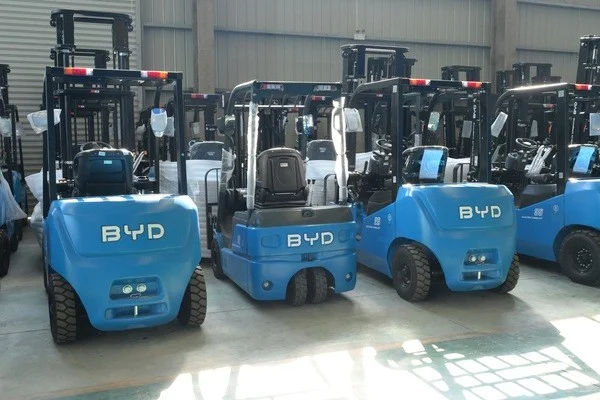
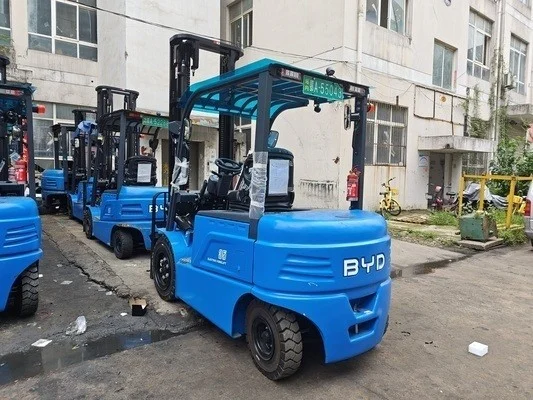
- Electric forklifts: These draw power from on-board batteries, and work well indoor and outdoor emission-free sites. Within electric forklifts, two main battery options exist: lead-acid and lithium iron phosphate (LiFePO4). BYD four-wheel counterbalance electric forklifts offer lithium battery models, which deliver faster charging and longer service life compared to traditional lead-acid options.
Power source selection directly impacts your daily operation costs and charging setup requirements. Many modern buyers prioritize electric options due to increasingly strict emission rules and lower long-term operating costs.
Structural Classification Common Forklift Designs
Structural design dictates what workspace and tasks each forklift type handles. Common structural categories include:
- Three-wheel / three-point forklifts: These have smaller turning radii, but lower overall load capacity compared to four-wheel models.
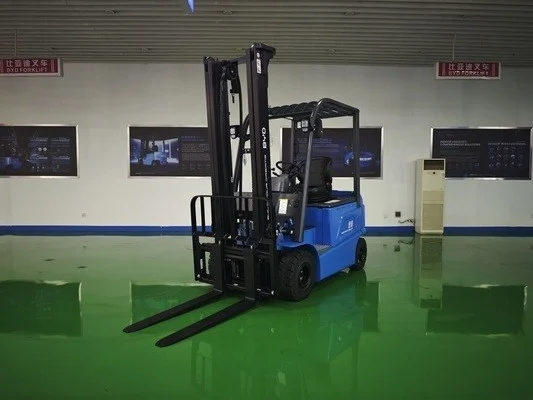
- Four-wheel counterbalance electric forklifts: This design places counterweight at the rear of the truck to offset heavy loads carried at the front. It works as a versatile general option across most standard factory, yard and warehouse tasks, and is the only type we sell.
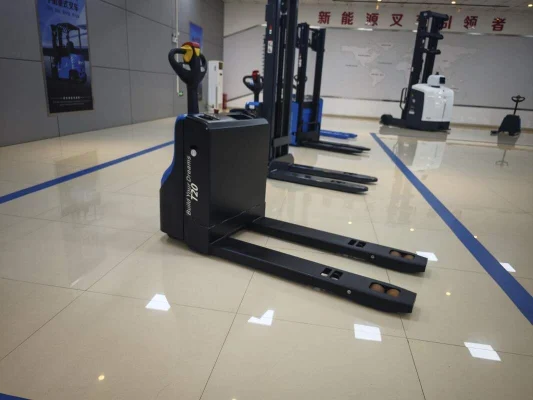
- Specialized designs: This group includes reach trucks, pallet jacks, stackers and order pickers, built for specific narrow aisle or low-lift tasks. We do not carry these specialized models as part of our current product offerings.
The counterbalance design does not need front support legs near the load, which makes it easy maneuver around loading docks and transport finished goods directly from delivery trucks to storage areas.
Key Procurement Considerations Four-Wheel Counterbalance Electric Forklifts
Battery and Charging Setup
Lithium battery models support opportunity charging during break times, which means you do not need extra battery swapping space. This setup fits operations running multiple daily shifts, as you can top up charge during planned stops without full battery removal. Lead-acid batteries require longer charging times and space dedicated to battery storage and swapping, which adds upfront facility costs to your project.
Load Capacity and Lift Height
You must confirm two core specs before placing an order: maximum load weight your operation will carry, and maximum lift height your daily tasks require. These two specs directly impact the final model configuration and price, so share accurate data with your supplier to get correct recommendations.
Workspace and Access Conditions
Four-wheel counterbalance electric forklifts require minimum aisle width to maneuver safely. Measure your workspace’s aisle width before final selection, to confirm the model you choose fits your space. Also check ground conditions and maximum ramp grade your site, to ensure the forklift can operate safely.
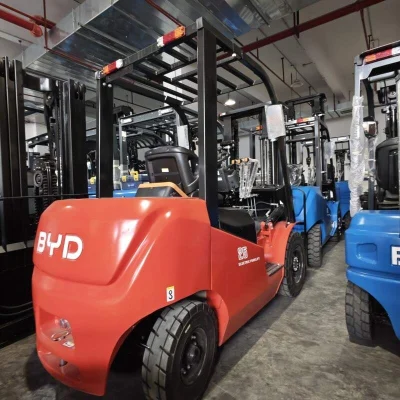
Once you confirm these core specs, you can reach out to our team to share your actual working conditions, and get personalized configuration recommendations matching your BYD four-wheel counterbalance electric forklift needs.
Frequently Asked Questions
How Many Total Forklift Types Exist Across The Industry?
Industry counts vary from 7 to 15 types, depending on how suppliers group specialized designs. Most business buyers only need to evaluate 2-3 common types that fit general material handling tasks, with four-wheel counterbalance electric models the most widely used general option.
What Leading Forklift Type Fits General Material Handling Tasks?
Four-wheel counterbalance electric forklift leads among options serving general work, covering loading, unloading, transfer and storage tasks across most standard industrial and warehouse sites.
Can I Use A Four-Wheel Counterbalance Electric Forklift Outdoor Work?
Many modern four-wheel counterbalance electric models with sealed lithium batteries work well in outdoor dry paved sites. Check the model’s protection rating with your supplier to confirm it matches your working environment.
Where Can I Get Pricing Details BYD Four-Wheel Counterbalance Electric Forklifts?
Share your specific load capacity, lift height and workspace requirements with our team, and we will share relevant configuration and pricing details based on your needs.
Clear understanding of different forklift types helps you narrow your search early, avoid unnecessary evaluation of off-spec models, and speed up your entire procurement process.