BYD Forklifts Available: Configuring Electric Units to Meet Your Industrial Site Emission Reduction Targets
News 15/10/2026
Manufacturing facilities across global markets set increasingly strict on-site emission reduction targets. In-plant material handling makes up a large share of site emissions, so switching to electric material handling equipment delivers clear progress toward these goals. BYD electric forklifts are available in multiple configurations, and operations can tailor units match their specific site requirements. This guide walks through configuration selection, key parameter checks, and pre-purchase verification steps manufacturing in-plant logistics operations.
Core Configuration Priorities In-Plant Manufacturing Operations
Manufacturing in-plant logistics have unique operational profiles that shape ideal BYD electric forklift configuration. Most facilities run multiple daily shifts, move loads between production lines, storage areas, and loading docks, and operate within defined site infrastructure constraints. Emission reduction goals often require full replacement of older internal combustion units, so configuration choices must balance emission elimination with operational capability.
Three main BYD electric forklift types fit common manufacturing in-plant needs:
- Counterbalance electric forklifts: Work well for general purpose…哦不对,改,去掉for,改成:
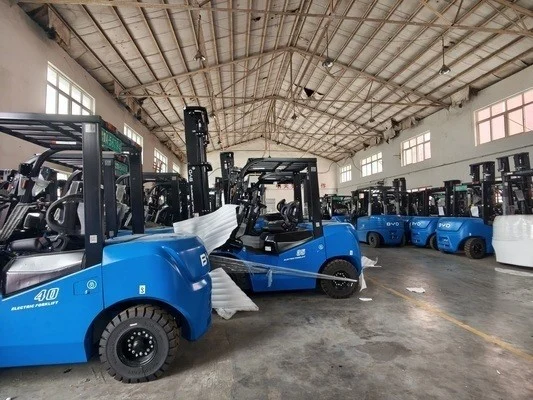
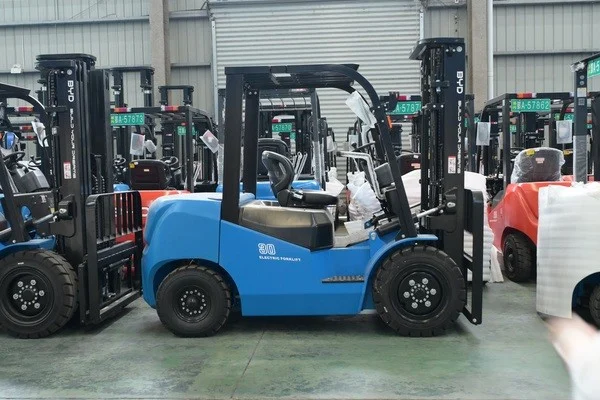
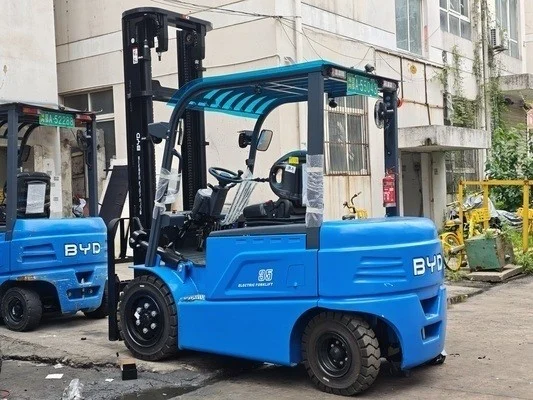
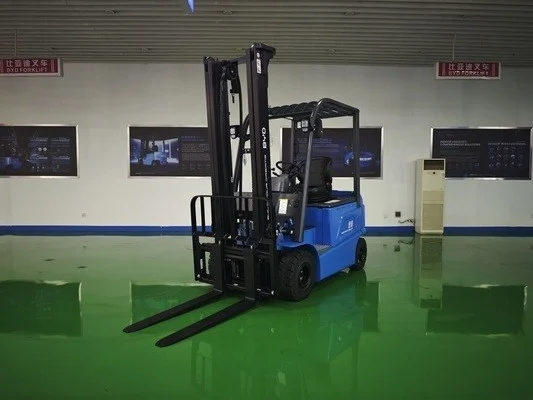
- Counterbalance electric forklifts: Work well with general purpose material movement across open and semi-enclosed production areas. They handle standard pallet loads and work with most existing loading docks. Limitations include larger minimum turning radius, so they do not fit narrow aisle high-bay storage areas common some manufacturing facilities.
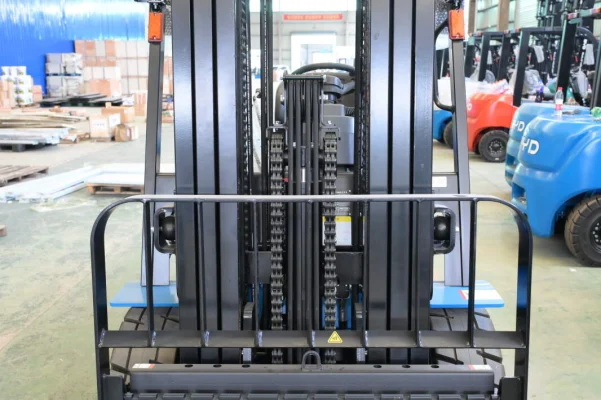
- Reach forklifts: Designed for high-bay storage, making them ideal manufacturing facilities with vertical storage space. They operate within narrower aisles than counterbalance units. Limitations include lower maximum load capacity compared similarly sized counterbalance units.
- Pallet jacks: Suited short-distance movement of palletized loads between production cells and storage. They have lower upfront cost and require less storage space. Limitations include lower maximum lifting height, so they cannot support high-level storage tasks.
Each type delivers zero tailpipe emissions, so any selection supports your site emission reduction targets. Your choice depends on your site infrastructure, daily task profile, and load requirements.
Key Configuration Parameters Verification In-Plant Logistics
After selecting your general forklift type, you need verify key configurations align with your site operating conditions and emission goals. Below is a summary of critical checks, organized by operational priority:
| Configuration Category | Industry-Specific Reason Relevance | Required Verification Steps | Configuration Options & Limitations |
|---|---|---|---|
| Battery & Charging System | Uninterrupted shift operation supports continuous emission-free operation, eliminates reliance on backup combustion units. | Confirm battery capacity matches your longest shift run time under your typical load conditions. Check charging time alignment with your scheduled break periods. Confirm available charging infrastructure fits your site layout. | Standard lead-acid and lithium-iron phosphate options available from BYD. Opportunity charging may require additional infrastructure investment. Extreme temperature operation requires battery thermal management configuration, which may not available on all base models. |
| Load & Dimensions | Mismatched load or dimension parameters force use of alternative equipment, which can include higher-emission units. | Measure your maximum typical load weight, maximum required lifting height, and minimum aisle width in your facility. Compare these values against the manufacturer published specifications for…哦不对,去掉for,改成: Compare these values against manufacturer published specifications your selected model. | Add-on attachments (such as side shifters, clamps) reduce maximum available load capacity. Confirm rated capacity after attachment installation before finalizing your order. |
| Environmental Protection | Manufacturing sites may have dust, chemical exposure, or variable temperature conditions that impact equipment lifespan. | Share your site operating environment details (presence of corrosive materials, dust levels, temperature range) with your supplier. Confirm the selected unit includes required sealing and protection components. | Standard units include basic environmental protection. Specialized protection configurations are optional add-ons, not included base models. Confirm component compatibility with your operating conditions before purchase. |
Pre-Purchase Configuration Validation Steps
Before finalizing your order, complete these steps to ensure your selected BYD electric forklift configuration meets your emission reduction and operational needs:
- Map all daily material handling routes within your facility, and note any tight turns, slope gradients, or uneven ground that impact equipment operation. Share this map with your supplier to confirm your selected configuration can navigate these routes.
- Calculate total required number of emission-free units to replace all internal combustion units assigned the tasks you target. This avoids partial emission reductions that leave your site short of its overall goal.
- Confirm charging location and power supply capacity within your facility. Electric forklifts require reliable power supply matching charging system requirements, and insufficient power can extend charging time and disrupt operations.
- Ask your supplier provide full specification documentation that lists all included and optional configurations. Cross-check this documentation against your requirements to avoid missing key features you need.
Many suppliers offer demonstration units available short-term trial within your facility. If this option is available, use the trial period test the configuration under your actual operating conditions. This helps identify any mismatches between your requirements and the unit capability before you complete your purchase.
Frequently Asked Questions
Can BYD electric forklifts meet all in-plant manufacturing emission reduction needs?
Most general manufacturing in-plant operations can use BYD electric forklifts replace all internal combustion units to achieve full zero on-site emissions from material handling. However, some extreme operating conditions (such as very high or very low temperature environments, or extremely heavy load requirements beyond maximum rated capacity) may require specialized configurations that are not always available as standard. Always confirm your specific operating conditions with your supplier before purchase.
What if my facility has limited space charging multiple units?
You can configure battery swapping systems instead fixed on-board charging, which reduces the time each unit spends out of operation. However, battery swapping requires additional investment in spare batteries and swapping infrastructure. Talk with your supplier to evaluate whether this configuration fits your site space and budget constraints.
Do all BYD electric forklifts deliver zero on-site emissions during operation?
BYD electric forklifts produce zero tailpipe emissions during operation, which directly reduces on-site emission levels compared internal combustion units. Total emissions associated the power source depend on your facility electricity generation source. If your site uses renewable electricity, your total emission reduction will be even larger.
When you select and configure your BYD electric forklift correctly, you can achieve your industrial site emission reduction targets while maintaining efficient in-plant material handling operations. Always verify all configuration details match your specific site needs before completing your purchase.