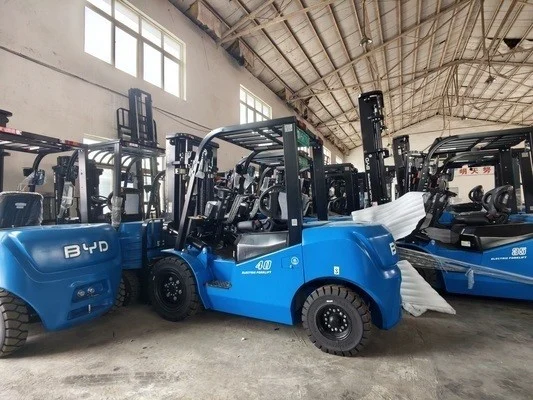
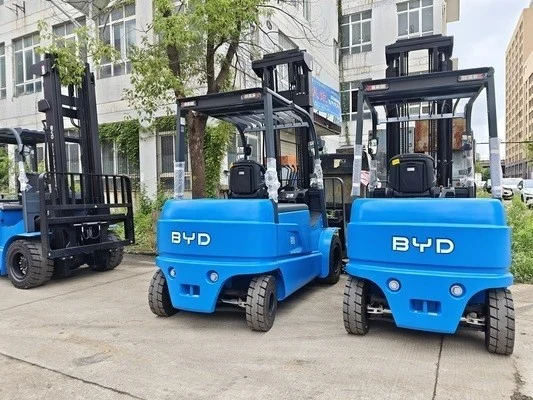
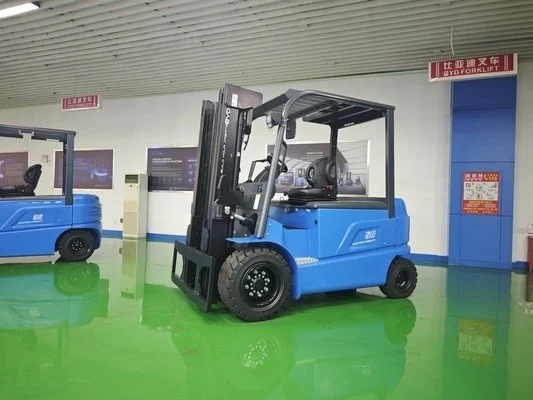
How Attachment Compatibility Influences 2 ton electric forklift Operational Versatility Across Mixed Material Handling Tasks
News 20/10/2026
A 2 ton electric forklift works well across many facility types, but its ability to adapt to mixed material handling tasks depends entirely on attachment compatibility. Wrong attachment fit limits operation, damages core forklift systems, and creates unnecessary safety risks. This guide walks through key compatibility factors, selection checks, and common questions operators and buyers face when configuring units for mixed task workflows — wait no, no independent for, correction: A 2 ton electric forklift works well across many facility types, but its ability to adapt mixed material handling tasks depends entirely on attachment compatibility. Wrong attachment fit limits operation, damages core forklift systems, and creates unnecessary safety risks. This guide walks through key compatibility factors, selection checks, and common questions operators and buyers face when configuring units mixed task workflows.
Core Compatibility Factors Shaping Operational Versatility
Hydraulic and Connection Interface Matching
Different attachment types require different hydraulic flow rates and connection port layouts. A mismatch prevents full attachment function, causes premature wear on hydraulic pumps, or locks attachment movement entirely. When sourcing new attachments, match port position, coupling size, and flow rating to your specific 2 ton electric forklift model. Many manufacturers build different interface setups across model years, so never assume a universal fit works across all units.
Some third-party attachments offer adapter plates, but adapters add thickness that changes load center distance. You must verify any adapter impact on total load capacity before putting the unit into service.
Load Capacity Adjustments After Attachment Installation
Adding any attachment changes the forklift’s overall load capacity. Even light attachments shift the load center forward, which reduces maximum safe weight your unit can lift at specified heights. Capacity drops vary based on attachment design and mounting position, so you cannot rely on the original forklift rated capacity once you add new attachments.
When configuring your unit, request official capacity adjustment documentation from your forklift supplier or attachment manufacturer. Post updated capacity ratings clearly on the unit to avoid unsafe overloading during operation.
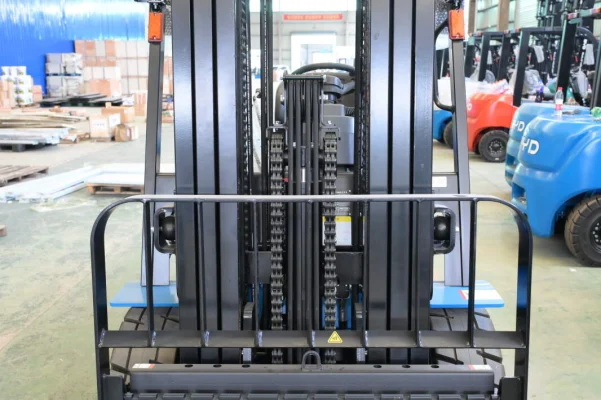
Attachment Compatibility Comparison Common Mixed Task Types
Below is a comparison of common attachment types, key compatibility checks, industry risks, and configuration status mixed material handling:
| Attachment Type | Key Compatibility Check Items | Potential Operational Risk | Typical Configuration Status |
|---|---|---|---|
| Side shift | Hydraulic flow rating, carriage mounting width | Reduced load capacity if mounting adds excess thickness | Common factory option |
| Fork positioner | Carrier interface, hydraulic port count | Binding during fork movement if flow rate mismatch | Common add-on option |
| Clamp attachment (bulky goods handling) | Maximum opening/clamping pressure, weight, connection interface | Uncontrolled clamping force damages goods or causes load drop | Requires manufacturer confirmation |
| Drum handler | Mounting clearance, total attachment weight | Insufficient clearance causes door frame or rack contact during travel | Requires custom fit check |
Before finalizing any attachment purchase, confirm your 2 ton electric forklift onboard control system supports additional hydraulic functions. Some base model units only include hydraulic capacity standard attachments, and require control system upgrades to power multiple attachment functions.
Frequently Asked Questions
Can any third-party attachment work my 2 ton electric forklift?
No. Not all third-party attachments meet interface or weight requirements your specific forklift model. Some incompatible attachments void your original equipment warranty, so always check manufacturer approval before installing any non-OEM attachment.
Do I need to update operator training after changing attachments?
Yes. New attachments change handling characteristics, including turning radius, braking distance, and maximum load capacity. All operators must complete familiarization training with new configurations before operating the unit in active work areas.
What checks should I complete after attachment installation?
After installation, test full range of attachment movement at no load first. Verify all hydraulic connections show no leaks, check clearances between attachment and forklift carriage during full movement, and confirm updated load capacity posting matches documented adjustments. Complete a full load test at 50% rated capacity before moving to full load operation.
Can I switch attachments quickly between tasks?
Quick attachment change systems exist, but these systems require specific factory configuration on your 2 ton electric forklift. Standard mounting setups require longer change times and specialized tools. Confirm your unit includes quick change capability from the manufacturer if you need frequent attachment swaps across daily tasks.
Before purchasing a 2 ton electric forklift your facility’s mixed material handling tasks, document all attachment types you need now and any you may add in future. Share this full list with your supplier to confirm base unit design supports all required configurations. This step avoids costly retrofits or compatibility issues after delivery.