Cold Storage Electric Forklift Procurement: How to Specify a Four-Wheel Counterbalance Truck When Ambient Temperatures Drop Below Freezing
News 31/10/2026
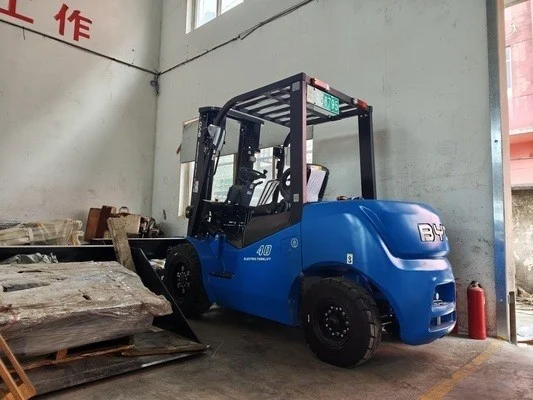
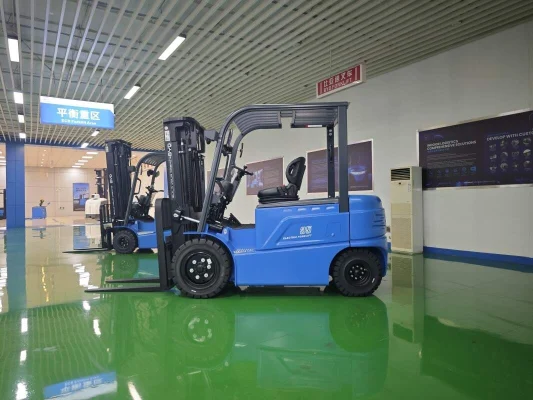
Procuring an electric forklift for cold storage starts with one decision: whether a four-wheel counterbalance electric truck suits your actual duty cycle, aisle geometry, and charging infrastructure. Ambient temperatures below freezing change battery behavior, hydraulic response, operator comfort, and maintenance intervals, so a specification written around a comfortable warehouse will usually miss critical details. This guide walks through the information a supplier needs, the technical points worth confirming in writing, and the acceptance checks that protect your investment.
Start With the Duty Cycle, Not the Temperature
Temperature is a condition, not a requirement. Before discussing cold-rated options, document what the truck must actually do. Useful inputs include:
- Typical and maximum load weight, plus load center distance.
- Required lift height and any free-lift need when entering racking or trailers.
- Aisle width, turning radius constraints, and floor condition.
- Shift length, number of shifts, and daily operating hours.
- Ramp or dock-level gradients along the route.
- Time spent inside the freezer versus transitional areas.
These figures decide capacity, mast type, and battery size. A truck rated at a given load with a standard load center may need derating when the load center shifts outward; confirm the capacity chart rather than relying on a single headline number.
Cold-Room Conditions That Affect Specification
Battery chemistry and charging location
Lithium-ion packs generally tolerate cold better than older lead-acid designs, but charging below freezing still requires manufacturer guidance. Ask whether the proposed charger and battery management system permit charging in the cold room, in a conditioned anteroom, or only at specified temperatures. Also confirm whether the truck can be parked in the freezer overnight and what state of charge is recommended.
Hydraulics, seals, and lubrication
Cold thickens hydraulic oil and stiffens seals. Request the supplier’s recommended oil grade and any cold-weather service interval. If the truck will move between freezer and ambient zones, condensation and ice formation on components deserve attention in the maintenance plan.
Operator environment
Open-cab trucks expose operators to cold and fogging. Enclosed cabs, heated options, and heated seats may be available, but each adds cost and power draw. Confirm what is standard and what is optional on the specific model you are quoting.
Information to Send With Your Inquiry
A clear inquiry shortens the quotation cycle and reduces the risk of an unsuitable configuration. Include the following where known:
| Item | What to Provide |
|---|---|
| Load | Maximum weight, load center, attachment if any |
| Lift | Required height, free lift, mast type preference |
| Environment | Temperature range, indoor/outdoor transitions, floor surface |
| Layout | Aisle width, racking type, doorway and trailer dimensions |
| Operation | Shift pattern, hours per day, charging window |
| Site | Charging location, power supply, ventilation, floor loading |
If some values are uncertain, say so. A supplier can propose a configuration and flag assumptions, but those assumptions should be confirmed before the order is placed.
Technical Points to Confirm in Writing
Capacity and stability at temperature
Ask whether the published capacity applies across the intended temperature range and whether any derating is recommended. Request the capacity chart at the relevant load center. Do not accept verbal assurances that cold weather has no effect.
Battery, charger, and runtime claims
Runtime depends on duty cycle, temperature, and battery condition. Ask how the runtime figure was determined and under what conditions. Confirm charger compatibility, charging time, and whether opportunity charging is permitted. These details belong in the quotation, not in a later conversation.
Safety and compliance documentation
Request the documents that apply to your market and application, such as declarations, manuals, and service schedules. Verify that the model and options on the quotation match those documents.
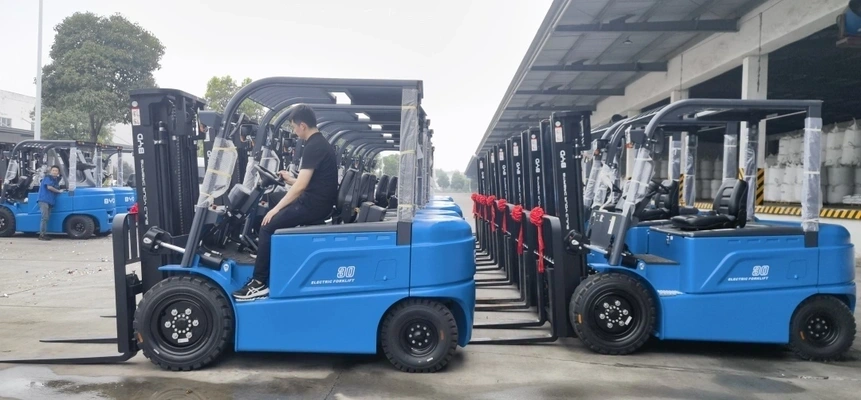
Service and spare parts
Cold storage sites often cannot wait long for parts. Ask about local service coverage, typical response arrangements, and which cold-related components are stocked. Keep these commitments in the contract where possible.
Acceptance Checks and Common Procurement Mistakes
Plan acceptance around your own conditions. A pre-delivery checklist might include verifying the delivered configuration against the order, confirming battery and charger settings, reviewing the operating manual, and arranging operator familiarization. Where feasible, observe the truck performing representative tasks before sign-off.
Common mistakes include specifying capacity without checking load center, assuming a standard charger works in an unheated area, overlooking aisle width when choosing a mast, and treating cold-weather options as afterthoughts. Another frequent error is comparing quotations without aligning the included options, warranty terms, and service scope.
To discuss a configuration against your site conditions, share your load, lift height, temperature range, and charging arrangements with our team so the four-wheel counterbalance electric forklift specification can be checked against your actual requirements.
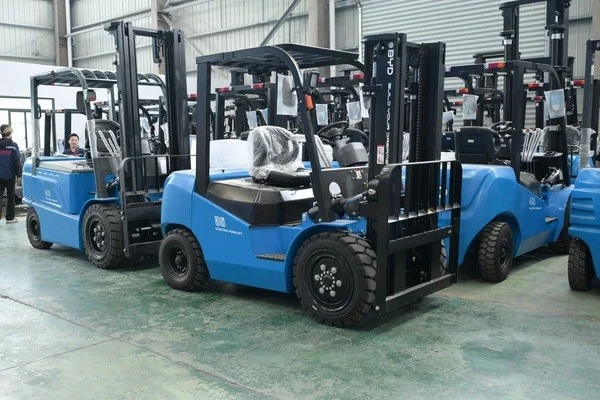
Frequently Asked Questions
Can a four-wheel counterbalance electric forklift operate in a freezer?
Many models can, but suitability depends on the battery system, hydraulic oil, seals, and the manufacturer’s stated operating limits. Confirm the approved temperature range and any required options with the supplier before purchase.
Should the battery be charged inside the cold room?
This depends on the battery and charger specifications. Charging in low temperatures may be restricted, so ask whether a conditioned charging area is required and plan the layout accordingly.
How do I verify runtime claims?
Ask how the figure was measured, including temperature, load, and duty cycle. Treat it as an estimate until your own operating pattern is considered, and confirm the assumptions in the quotation.
What should be included in the purchase contract?
Include the exact configuration, capacity chart, approved operating temperature range, charger details, warranty terms, service commitments, and delivery conditions. Written clarity reduces disputes later.