How Cold Storage Temperatures Impact Electric Forklift Load Capacity Ratings
News 10/10/2026
Cold storage facilities operate across a wide range of temperature levels, from just above freezing to extreme sub-zero conditions. These low temperatures affect nearly every component electric forklifts, most importantly published load capacity ratings. Choosing equipment without accounting temperature-related capacity loss leads unsafe operation, reduced equipment lifespan, and costly operational disruptions. This guide breaks down key relationships between storage temperature and load capacity, provides actionable selection guidance, and outlines critical limitations operators need understand.
Core Factors Link Temperature To Load Capacity
Battery Output Reduction Lower Temperatures
Low temperatures slow chemical reactions inside electric forklift batteries. Reduced reaction rates cut available power output needed lift heavy loads. Battery manufacturers publish standard capacity ratings based on 25°C (77°F) operating temperatures. Any drop below this baseline reduces available power, which directly reduces maximum safe load the forklift can handle.
Hydraulic System Efficiency Changes
Cold temperatures also thicken hydraulic fluid, increasing flow resistance through system lines and components. Thicker fluid reduces lifting speed and overall force the hydraulic system can generate. Even with sufficient battery power, reduced hydraulic efficiency can limit the maximum safe load a forklift can lift and stabilize.
How Different Temperature Ranges Impact Load Capacity Ratings
Most cold storage facilities fall into three main temperature categories. Each category creates different levels of load capacity reduction:
- Chill storage (0°C to 10°C / 32°F to 50°F): Most electric forklifts see 10-15% capacity reduction compared to standard room temperature ratings. Lead-acid batteries experience minor power loss, and hydraulic fluid retains most of its normal flow properties.
- Frozen storage (-18°C to -25°C / 0°F to -13°F): Capacity reduction ranges 20-40% across most standard electric forklift models. Lead-acid batteries often lose 30-40% available power, while hydraulic fluid requires specialized low-viscosity blends maintain function.
- Extreme frozen storage (below -25°C / -13°F): Capacity reduction can exceed 50% of standard electric forklifts. Only purpose-built cold storage equipment maintains usable capacity levels this temperature range.
Comparison Battery Types Cold Storage Capacity Retention
Lead-Acid Batteries
Lead-acid batteries power most standard electric forklifts. They suffer steep capacity drops lower temperatures. At -18°C, most lead-acid batteries deliver only 50-60% of their rated room temperature capacity. Additionally, repeated cycling low temperatures accelerates plate degradation, shortening overall battery life 30-50% compared to room temperature use.
Lithium-Ion Batteries
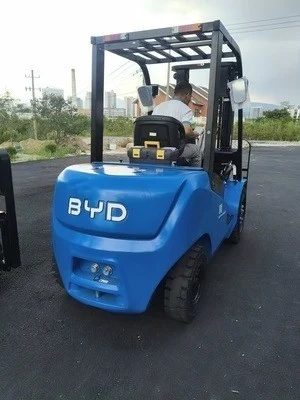
Lithium-ion batteries offer much better capacity retention cold environments. At -18°C, most high-quality lithium-ion batteries deliver 80-90% of their rated capacity. Many designs include integrated battery heating systems that maintain optimal operating temperatures even in frozen storage. This translates smaller overall capacity reduction and longer battery service life cold operations.
Key Selection Guidance Your Facility
When selecting an electric forklift matching your cold storage facility needs, follow these actionable steps:
- Confirm your facility’s average and extreme lowest operating temperatures. Share this data equipment suppliers before requesting quotes.
- Ask suppliers provide adjusted load capacity ratings matching your specific temperature range, do not rely on standard room temperature ratings.
- Compare total cost ownership between lead-acid and lithium-ion options. Lithium-ion options have higher upfront costs, but deliver higher consistent capacity and longer service life cold environments.
- Inspect hydraulic system specifications. Confirm the unit uses low-viscosity hydraulic fluid rated your lowest operating temperature.
Limitations You Need Consider
Even purpose-built cold storage electric forklifts have key limitations you should note:
- Capacity adjustments apply to all lifting operations, not just long-term storage runs. Even brief entry frozen zones requires reduced load limits.
- Battery heating systems consume additional power, which can reduce overall shift length if you do not account this extra draw.
- Most warranties cover capacity loss only if you operate equipment within manufacturer specified temperature ranges. Operating outside rated ranges voids most coverage.
Frequently Asked Questions
Can standard electric forklifts operate cold storage environments?
Most standard electric forklifts experience significant capacity loss and accelerated battery degradation sub-zero temperatures. They work reliably only in short-term warm cold storage zones above freezing, but not long-term frozen storage applications. Using unrated equipment cold environments creates safety risks and early equipment failure.
Do all manufacturers calculate cold storage capacity ratings the same way?
No, rating methods vary across equipment brands. Some base ratings on average operating temperatures, others on extreme lowest facility temperatures. Always check manufacturer documentation specific your operating conditions before completing a purchase.
Does battery type affect overall capacity retention cold storage?
Yes. Lithium-ion batteries maintain higher capacity percentages lower temperatures compared to lead-acid alternatives. Lead-acid batteries can lose up to 50% available power temperatures below -10°C, while lithium-ion variants typically lose 10-20% under identical conditions.
When should I adjust my forklift load limits?
Adjust load limits immediately after temperature drops below the manufacturer’s baseline rating. Recheck and adjust limits every time your operation shifts between different temperature zones, such as moving from room temperature receiving areas to frozen storage zones.
Final Conclusion
Cold storage temperatures directly reduce electric forklift load capacity, with larger temperature drops creating greater capacity loss. Battery type is one of the most impactful factors influencing capacity retention, with lithium-ion designs outperforming lead-acid alternatives across all cold temperature ranges. Always rely on manufacturer-adjusted capacity ratings matching your facility’s specific temperature range, never use standard room temperature ratings to plan your daily operations. Correct selection and load adjustment creates safer operations, extends equipment service life, and avoids costly unexpected disruptions.