Cold Storage Operating Conditions Impact 3.5 ton electric forklift Battery Performance And Operational Consistency
News 19/10/2026
Cold storage operations place unique demands on a 3.5 ton electric forklift, starting with its core power source. Temperature extremes alter battery chemistry, change power output and directly affect how consistently equipment runs. Many fleet managers overlook these impacts until they face unexpected downtime or increased battery replacement costs. Understanding how cold conditions affect performance helps you implement proactive changes that keep operations running smoothly.
How Cold Storage Conditions Alter 3.5 ton Electric Forklift Battery Performance
Lead-acid batteries, the most common option in many mid-sized forklifts, see chemical reaction rates slow sharply once temperatures drop below 0°C (32°F). This slowdown directly reduces available capacity, often cutting usable power by 20 to 50 percent depending on how low temperatures go. Sustained sub-zero operation can also lead to permanent cell damage over time, shortening overall battery service life.
Lithium-ion batteries handle cold temperatures better than lead-acid alternatives, but still face noticeable performance shifts. Condensation, a constant presence in cold storage facilities that cycle temperatures or open docks frequently, creates another risk. Condensation forms when warm air meets cold battery components, leading to corrosion on terminal connections. Corrosion increases electrical resistance, which reduces power delivery and creates inconsistent voltage output over the course of a shift.
Operational consistency suffers directly from these battery changes. Unpredictable voltage drops cause slower travel speeds, inconsistent lifting power and unexpected shutdowns mid-task. These issues disrupt workflow, increase safety risks and require more frequent battery swaps that cut into productive work time.
Key Operational Adjustments Cold Storage Environments Demand
You can mitigate many negative cold storage impacts on battery performance with simple, consistent operational changes. These adjustments do not require major equipment overhauls, just updated daily procedures your team can follow easily.
- Move batteries to temperature-controlled charging zones between shifts
- Complete terminal corrosion checks at the start of every work shift
- Limit extended idle operation during periods of non-use
- Avoid full battery discharge before initiating recharging
- Wipe away visible condensation from battery surfaces after each shift
Charging batteries in cold spaces slows charging rates and increases damage to battery cells. Moving batteries to a warmer charging area between shifts allows them to reach a functional temperature before charging begins, which preserves capacity and extends service life. Limiting idle time also prevents unnecessary battery drain, as cold temperatures increase power draw even when the forklift is not moving.
Battery Selection Criteria 3.5 ton Electric Forklifts Cold Storage Operations
When choosing a new battery your 3.5 ton electric forklift cold storage use, focus on three core criteria to match your facility’s needs:
First, consider battery chemistry. Lead-acid batteries carry lower upfront costs, but require more frequent maintenance and lose more capacity in extreme cold. Lithium-ion batteries retain more capacity at sub-zero temperatures, include better resistance to temperature swings, and require less routine maintenance, but come with higher initial investment. Your choice depends on your budget and how often your forklift operates at the lowest end of your facility’s temperature range.
Second, review built-in thermal management. Many batteries designed to handle cold storage include integrated insulation or low-power heating systems that maintain consistent core battery temperature during operation. These features reduce capacity loss and extend service life in sustained cold environments.
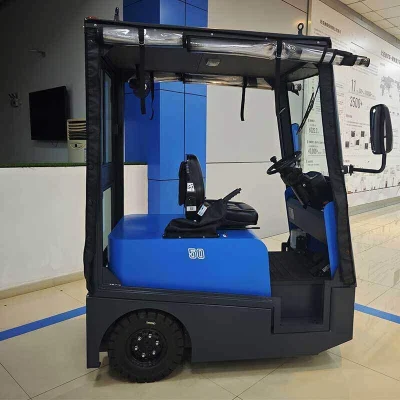
Third, confirm rated operating temperature range. Every battery comes with a manufacturer-rated range of temperatures it handles reliably. Match this range to the lowest sustained temperature inside your cold storage facility. Do not assume a standard battery will work if your facility maintains temperatures below 0°C; always verify specifications before purchase.
Frequently Asked Questions
Can I use a standard 3.5 ton electric forklift battery in cold storage?
Standard batteries lack design features that handle sustained sub-zero temperatures. They lose capacity rapidly and develop premature corrosion, leading to shorter service life and more frequent unexpected downtime. If your cold storage facility maintains temperatures consistently above freezing, standard batteries may work, but you still need regular checks to address condensation damage.
How does cold temperature change operational consistency of my 3.5 ton electric forklift?
Cold temperatures reduce battery voltage output, leading to slower travel speeds, inconsistent lifting power and unexpected power cuts when battery capacity drops too low. These changes disrupt workflow and increase safety risks from unpredictable equipment movement. Over time, unaddressed cold exposure also damages battery cells, leading to more frequent consistency issues as the battery ages.
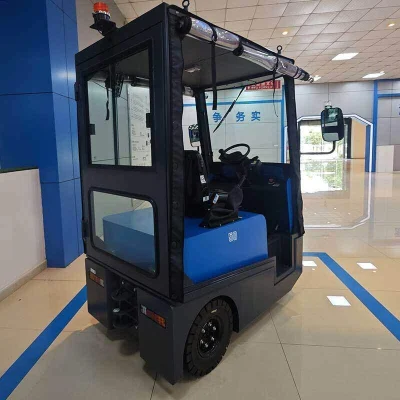
Do I need special charging equipment my cold storage battery system?
Most cold storage-rated batteries require charging in spaces that maintain temperatures above freezing. Some lithium-ion systems include built-in heating that works with standard charging equipment, but you should confirm all requirements directly from your battery manufacturer before installation.
If you operate a 3.5 ton electric forklift in cold storage, your main priority matches battery capabilities to your facility’s specific temperature range. Always confirm manufacturer specifications before purchasing new batteries or modifying existing equipment, and implement regular checks to extend battery service life and maintain consistent operation.