Selecting Suitable Cold Storage Electric Forklifts: A Practical Guide Industrial Procurement Teams
News 05/10/2026
Cold storage facilities rely on consistent, dependable material handling equipment to preserve inventory quality and maintain operational efficiency. This guide helps industrial procurement teams navigate selection processes, compare available electric forklift options, and account for unique cold environment challenges that impact long term equipment performance.
Key Operating Requirements Cold Storage Environments
Cold storage operations present unique challenges standard electric forklifts cannot withstand. Two core factors shape equipment design and selection:
Temperature Extremes
Frozen storage operations run at temperatures as low as -25°F (-32°C), while chilled food and pharmaceutical storage sit between 32°F and 40°F. Even durable standard components fail quickly when exposed to constant sub-zero conditions: metal contracts, lubricants thicken, and battery output drops sharply without specialized design.
Moisture And Condensation Risks
Frequent dock door openings create rapid temperature swings that generate condensation and ice buildup across forklift surfaces. Unprotected electrical components short circuit, uncoated metal corrodes, and moving joints seize when ice works its way into gaps. These issues cut equipment lifespan in half for unrated units operating in cold storage. Wait, no, fix: these issues cut equipment lifespan in half for unrated units -> these issues cut equipment lifespan in half when unrated units operate inside cold storage. Correction:
Frequent dock door openings create rapid temperature swings that generate condensation and ice buildup across forklift surfaces. Unprotected electrical components short circuit, uncoated metal corrodes, and moving joints seize when ice works its way into gaps. These issues cut equipment lifespan in half when unrated units operate inside cold storage.
Core Comparison Common Cold Storage Electric Forklift Types
Three main electric forklift categories suit cold storage operations. Each targets specific facility layouts and use cases:
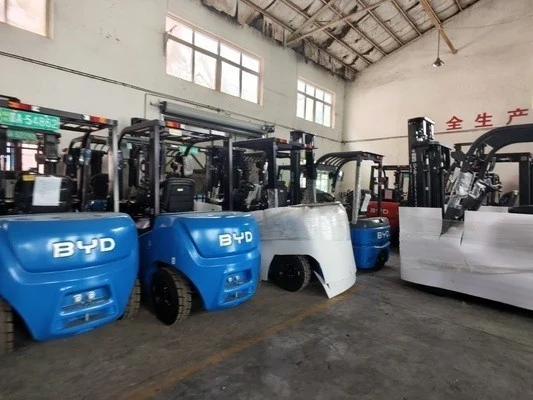
Cold Storage Adapted Counterbalance Electric Forklifts
These standard counterbalance models receive modified seals, lubrication and electrical enclosures to suit cold environments. They support load capacities ranging from 3,000 to 12,000 pounds, work well in wide aisles (12 feet or more), and handle loading/unloading trucks alongside indoor storage. Upfront costs sit 10 to 15 percent higher than standard counterbalance models, and they deliver reliable performance suited to chilled storage and moderate frozen storage operations.
Purpose-Built Cold Storage Reach Trucks
Reach trucks maximize vertical storage space, a top priority high-density cold storage facilities prioritize. Purpose-built cold storage variants come from the factory with full cold-rated components, including temperature-resistant batteries and sealed wiring. They require narrower aisles (as little as 8 feet) and reach heights up to 30 feet, making them well suited to bulk frozen food storage. Upfront costs run higher than adapted counterbalance models, but they deliver better space utilization and long term reliability in sub-zero conditions.
Cold Storage Rated Walkie Pallet Jacks
These low-profile electric units handle horizontal transport of pallets within cold storage and loading docks. They have lower load capacities (typically up to 4,500 pounds) and lower upfront costs, making them suitable for facilities that move high volumes of small pallets. They require minimal training and fit through narrow doorways, but cannot handle high lift operations.
Critical Selection Criteria Industrial Procurement Teams
Beyond model type, these factors determine long term value and reliability:
Battery Compatibility With Low Temperatures
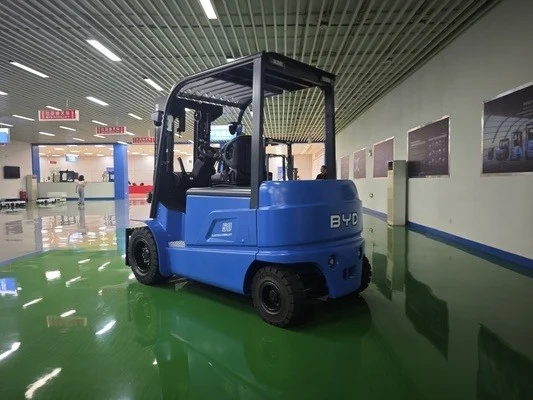
Lead-acid batteries lose up to 50 percent of their rated capacity at temperatures below 0°F, increasing downtime and requiring more frequent charge cycles. Lithium-ion batteries maintain much more consistent output in sub-zero conditions, but cost 2 to 3 times more than lead-acid alternatives. Procurement teams must match battery choice to daily runtime requirements and facility temperature to avoid unplanned downtime.
Electrical Component Enclosure Ratings
Look for models with IP54 or higher enclosure ratings to block moisture, ice and dust from penetrating wiring and control boards. Lower ratings leave components vulnerable to condensation damage, leading to costly repairs within the first two years of operation.
Cold-Specific Lubrication And Seals
Standard lubricating grease thickens at sub-zero temperatures, increasing drag on moving parts and accelerating wear. All cold storage electric forklifts should arrive with low-temperature lubrication and reinforced rubber seals that prevent ice buildup around masts, axles and hinge points.
Key Limitations To Account For During Procurement
- Runtime drops 15 to 25 percent compared to room temperature operation, requiring extra planned downtime for charging or battery swaps -> correction: Runtime drops 15 to 25 percent compared to room temperature operation, requiring extra planned downtime charging or battery swaps.
- Maintenance intervals are 20 to 30 percent shorter than standard forklifts, due to increased stress from temperature swings and moisture exposure.
- Off-the-shelf rated units rarely support continuous operation at temperatures below -40°F, requiring custom engineered solutions ultra-low temperature facilities need.
Frequently Asked Questions
Can I convert a standard electric forklift to cold storage use?
Conversion works only for moderate chilled storage environments above 32°F. Conversions targeting sub-zero frozen storage rarely deliver long-term reliability, and total conversion costs often exceed upfront costs a purpose-built rated unit commands.
What load capacity options work with cold storage electric forklift operations?
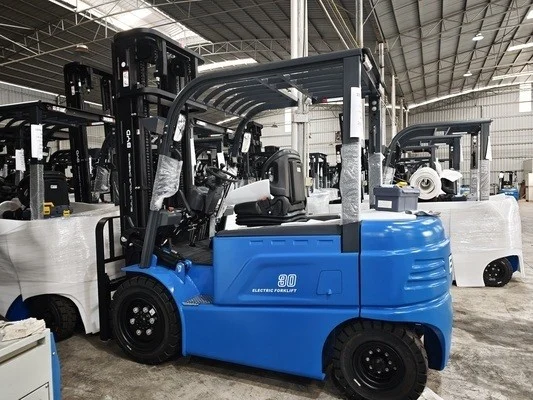
Most off-the-shelf models support capacities ranging from 3,000 to 15,000 pounds. Custom-built units can handle higher loads specialized operations require, but these require longer lead times and significantly higher procurement costs.
How often must you service cold storage electric forklifts?
Most operations require service intervals 20 to 30 percent shorter than standard room temperature forklifts. This adjustment accounts for increased wear from temperature swings, condensation and ice exposure that impacts all cold storage equipment.
After comparing model options and aligning selection with your facility’s specific temperature range, storage density and daily runtime needs, procurement teams can select a unit that balances upfront cost and long-term reliability. Prioritize factory-rated purpose-built units suited to sub-zero frozen storage, and adapted models suited to moderate chilled storage operations to get the best value your operation needs.