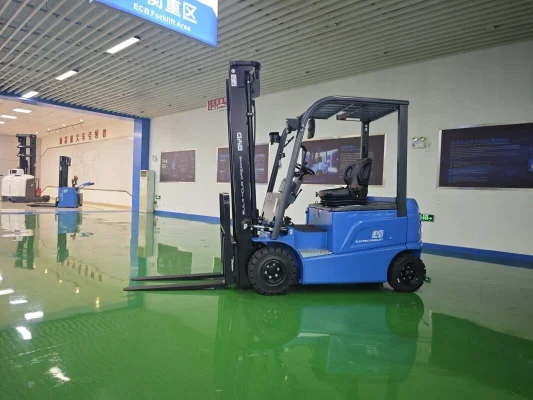
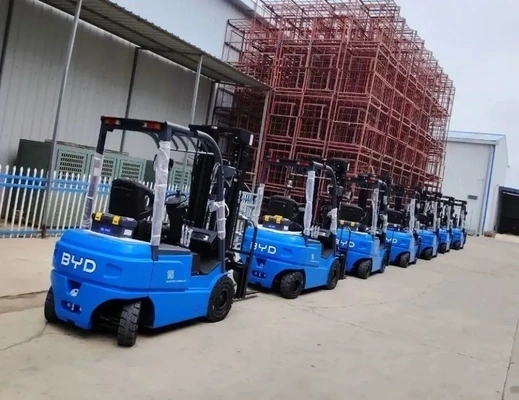
Ground Condition Compatibility Impacts Electric Counterbalance Forklift Tire Selection And Long-Term Operational Safety
News 08/10/2026
Electric counterbalance forklifts operate across a wide range work environments, from fully enclosed warehouse floors to open outdoor lumber yards. Each environment presents unique ground conditions that directly affect tire performance, wear rate and overall vehicle safety. Many fleet managers choose tires based on initial cost alone, ignoring ground compatibility. This mistake leads to premature tire replacement, higher energy use and preventable safety incidents that threaten workers and damage cargo. This comparison breaks down common ground conditions, matches them to suitable tire types and outlines clear safety implications wrong choices create.
Common Ground Types Encountered Electric Counterbalance Forklift Operations
Most forklift operations center on one primary ground type, with occasional exposure to secondary surfaces. Assessing the dominant ground condition your operation helps narrow viable tire options quickly.
Smooth Indoor Paved Concrete
This is the most common environment electric counterbalance forklifts. Most warehouses, distribution centers and manufacturing facilities feature flat, smooth concrete floors with minimal debris. These surfaces offer high inherent traction, so tire design prioritizes low rolling resistance and minimal wear over aggressive traction.
Gravel Or Unpacked Outdoor Ground
Outdoor storage yards, construction sites and rural agricultural operations use unpaved ground with loose gravel, dirt or uneven packed soil. These surfaces feature variable elevation, loose debris and frequent exposure to rocks, nails or other sharp objects that can damage tires. Traction and puncture resistance top priority here.
Sloped Or Wet Surfaces
Facilities with loading docks, cold storage rooms and outdoor ramps often feature sloped or regularly wet surfaces. Moisture from rain, cleaning processes or condensation creates low traction conditions that increase risk of skidding or tip-overs. Tire tread design and compound play critical roles maintaining control here.
Abrasive Industrial Surfaces
Operations that handle scrap metal, glass or construction materials often have abrasive ground covered in fine sharp debris. These surfaces wear tires much faster than standard concrete, so tire composition must resist abrasion to extend service life.
Key Tire Type Comparisons By Ground Compatibility
Four main tire types dominate the market electric counterbalance forklifts. Each offers distinct strengths and weaknesses aligned to specific ground conditions.
Cushion Tires
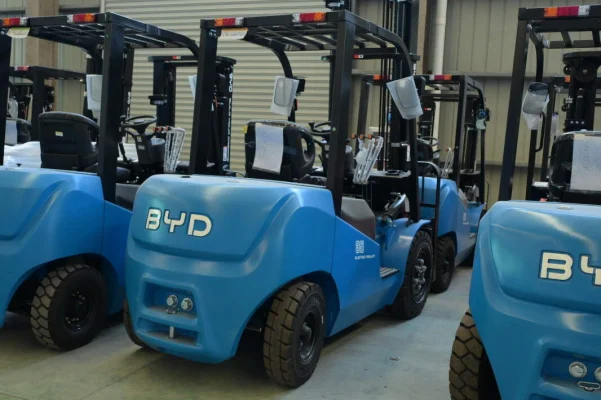
Cushion tires are made solid rubber, pressed onto the forklift’s wheel rim. They feature a low profile and minimal tread, designed specifically smooth indoor concrete surfaces.
Strengths: Low rolling resistance reduces energy use, extending battery run time between charges. Low profile increases lift capacity and overall stability on flat ground. Lower initial cost compared other options.
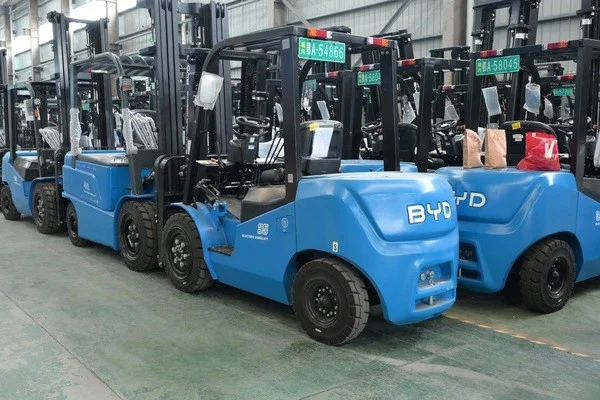
Limits: Almost no shock absorption, so rough ground causes excessive vibration that damages the forklift frame and strains operators. Tread design offers almost no traction on wet or loose surfaces. Prone to punctures from sharp debris on unpaved ground.
Ideal application: Fully enclosed warehouses with 100% smooth concrete floors and no outdoor operation.
Solid Pneumatic Tires
Solid pneumatic tires are made solid thick rubber, shaped with a deep tread similar air-filled tires. They offer the puncture resistance solid construction with traction similar pneumatic tires.
Strengths: Deep tread provides reliable traction on loose gravel, uneven dirt and wet surfaces. Solid construction eliminates risk of punctures and blowouts from sharp debris. Better shock absorption than cushion tires, reducing operator fatigue on rough ground.
Limits: Extra weight reduces maximum lift capacity your electric counterbalance forklift. Higher rolling resistance increases energy use, cutting battery run time on long shifts. Higher initial cost than cushion tires.
Ideal application: Mixed indoor-outdoor operations that move between smooth warehouse floors and outdoor unpaved storage yards.
Air-Filled Pneumatic Tires
Air-filled pneumatic tires feature a rubber outer shell filled compressed air, with deep aggressive tread. They are the lightest option rough outdoor conditions.
Strengths: Excellent shock absorption uneven outdoor ground, reducing operator fatigue and vehicle stress. Light weight preserves maximum lift capacity electric models. Deep tread provides superior traction loose, wet or sloped surfaces. Lowest initial cost among outdoor-capable options.
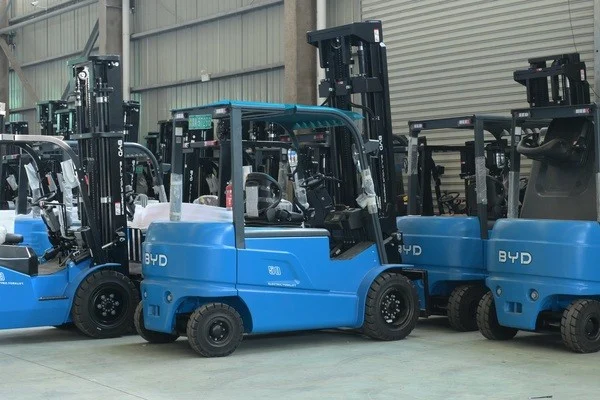
Limits: High risk of punctures and blowouts from sharp debris, leading to unplanned downtime. Requires regular air pressure checks to maintain performance and safety. Higher rolling resistance than cushion tires increases energy use on indoor surfaces.
Ideal application: Outdoor-only operations with mostly packed gravel or dirt and low levels sharp debris, such small farm storage yards.
Polyurethane Press-On Tires
Polyurethane press-on tires are made dense polyurethane material, designed offer a balance between cushion rubber and solid pneumatic designs.
Strengths: Higher resistance to abrasion and cuts than standard rubber cushion tires, making them suitable abrasive indoor surfaces. Lower rolling resistance than solid pneumatic tires, preserving battery life. Available with different tread patterns for wet indoor surfaces. Wait, no, correct: Available with different tread patterns that fit wet indoor surfaces.
Limits: Higher initial cost than standard cushion tires. Not suitable for extremely rough outdoor ground. Polyurethane can harden in cold temperatures, reducing traction in cold storage facilities.
Ideal application: Indoor industrial facilities with abrasive concrete floors or regular exposure to cutting debris, such manufacturing plants or recycling processing centers.
Core Safety Impacts From Misaligned Tire Selection
Choosing tires that do not match your ground condition creates immediate and long-term safety risks. The most common issues include:
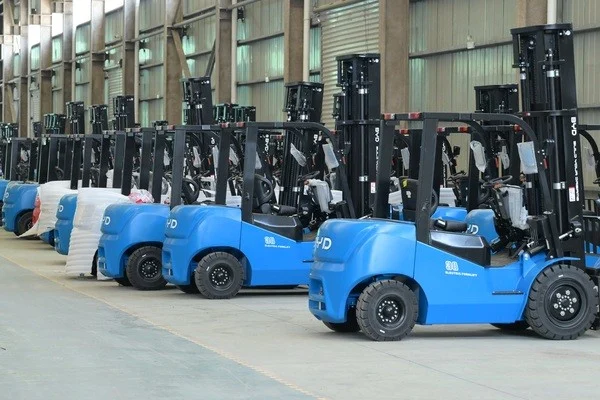
- Reduced traction: Mismatched tread design increases stopping distance and raises risk of skidding on wet or sloped ground, which can lead to cargo damage, collisions or tip-over incidents.
- Premature wear: Wrong tire material wears much faster on incompatible ground, creating uneven tire wear that reduces forklift stability. Uneven tire balance from improper use also creates handling issues.
- Increased operator fatigue: Lack of shock absorption on rough ground increases whole-body vibration, leading to operator distraction and fatigue that raises error risk over long shifts.
- Unexpected downtime: Punctures or blowouts from sharp debris on unsuitable tires create unplanned stops that disrupt operations and can put workers in dangerous situations if a failure occurs while carrying a load on a ramp.
Actionable Selection Guidance Your Fleet
Follow these steps to select correct tires your electric counterbalance forklift fleet:
- Map your operation’s most common ground: Base your selection on the surface your forklifts contact 80% of the time, not rare occasional use cases that make up a small share of operation time.
- Check your forklift manufacturer recommendations: Most electric counterbalance forklift manufacturers list approved tire types and weight ratings specific to each model, which you must follow to maintain warranty coverage.
- Account for unique site factors: Add adjustments your selection based on persistent hazards, such as frequent moisture, abrasive debris or regular ramp use.
- Schedule regular tire inspections: Check tread depth, wear patterns and damage monthly to catch issues before they create safety risks.
For mixed-operation fleets, consider equipping each forklift tires aligned to its primary task, rather than using the same tire type across all units. This strategy balances safety, cost and energy efficiency across your entire operation.
Frequently Asked Questions
Can I use indoor cushion tires outdoor uneven ground?
No, cushion tires lack needed tread depth and shock absorption uneven outdoor surfaces. They wear extremely fast on rough gravel or dirt, and increase risk of tire punctures or vehicle instability. Even occasional outdoor use on uneven ground can cut cushion tire service life by more than half.
How does wrong tire selection affect electric counterbalance forklift battery life?
Extra rolling resistance from mismatched tires forces the forklift motor work harder, drawing more power from the battery. This reduces total run time between charges and accelerates long-term battery degradation. Over the life of the battery, this can lead to earlier replacement and higher total ownership costs.
Do all solid pneumatic tires work any ground condition?
No, solid pneumatic tires perform well most semi-rough outdoor surfaces, but they add extra weight that reduces total lift capacity your electric forklift. They also create more rolling resistance on smooth indoor concrete, which increases energy use and shortens battery run time. They are not ideal 100% indoor operations.
When should I replace tires my electric counterbalance forklift?
Replace tires immediately when tread depth falls below manufacturer recommended minimums, or when visible cuts, cracks or bulges appear on the tire surface. Excessive wear reduces traction and increases risk of blowouts or tip-overs, even if the tire still holds air on air-filled models.
Conclusion
Ground condition compatibility is the most critical factor tire selection your electric counterbalance forklift. Matching tire type, material and tread design to your operation’s dominant ground surface reduces safety risks, cuts long-term maintenance costs and extends service life both tires and the forklift itself. Prioritizing compatibility over initial cost creates safer work environments and lower total ownership costs over the life of your equipment.