Site Charging Infrastructure Impacts Electric Counterbalance Forklift Operational Uptime And Long-Term Ownership Costs
News 09/10/2026
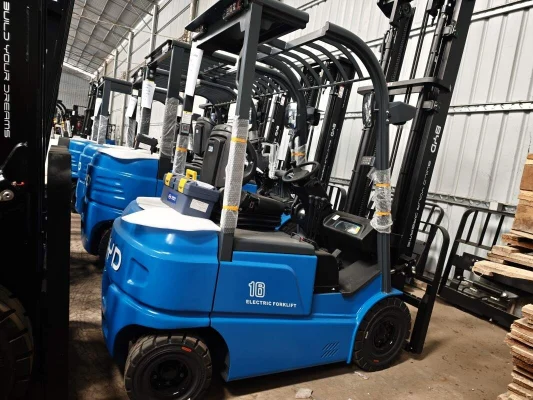
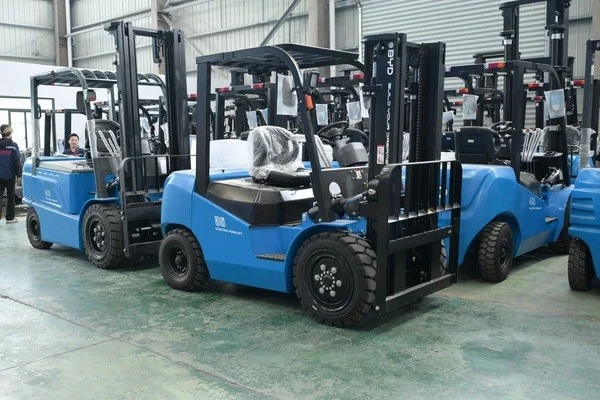
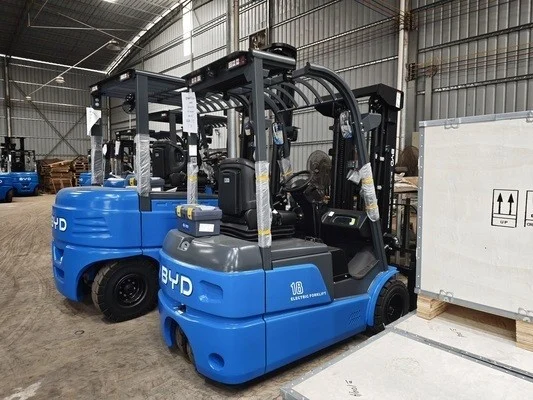
Electric counterbalance forklifts remain top choices for indoor and outdoor warehouse operations, thanks to zero tailpipe emissions, lower noise levels, and reduced routine maintenance compared to internal combustion models. Many operations focus heavily on forklift purchase price and battery capacity when evaluating investments, but overlook the critical role site charging infrastructure plays in overall performance. Poorly planned charging setups create unexpected downtime, shorten battery service life, and drive up long-term ownership expenses. This guide covers core impacts of charging infrastructure and shares actionable steps to optimize your setup.
Core Impacts Of Charging Infrastructure On Operational Uptime
Unplanned Downtime From Incompatible Or Insufficient Charging Points
Operations without enough charging points force operators to wait on available batteries or chargers between shifts. This creates idle time that cuts into daily production output. Incompatible charger voltage or connection types also cause problems. Many newer high-capacity electric counterbalance forklifts require faster, higher-output chargers that older infrastructure cannot support. Mismatched components also lead to incomplete charging, which leaves batteries drained mid-shift and requires unscheduled stops to swap-outs or recharging.
Shift Alignment And Opportunity Charging Access
Opportunity charging during breaks keeps batteries topped off through full multi-shift operations. Without charging stations placed close to work zones, operators lose time traveling to distant charging locations during short breaks. This eliminates any benefit opportunity charging provides, and leaves batteries unable to support full shift demands.
How Charging Infrastructure Affects Long-Term Ownership Costs
Battery Service Life Degradation From Improper Charging
Lead-acid and lithium-ion batteries used in electric counterbalance forklifts both experience accelerated degradation when charged with incorrect voltage, current, or temperature profiles. Low-quality or mismatched chargers cause overcharging or undercharging on a daily basis. Over time, this cuts battery service life by as much as 30% in many common scenarios, requiring early battery replacement that adds thousands of dollars in unplanned expense.
Energy Efficiency And Utility Expenses
Inefficient chargers waste excess energy as heat, which increases monthly utility bills your facility incurs. Older unmanaged charging setups also often draw power during peak demand periods, when utility rates are highest. Smart managed charging infrastructure shifts charging to off-peak hours, which cuts monthly energy costs and reduces strain on your facility’s electrical grid.
Maintenance And Repair Costs Related To Infrastructure Components
Poorly installed charging infrastructure requires frequent repairs. Loose connections, outdated wiring, and ungrounded circuits create safety hazards and cause unexpected charger outages. Regular repairs add ongoing labor and part costs that increase total ownership cost across your entire forklift fleet.
Hypothetical Application Scenario
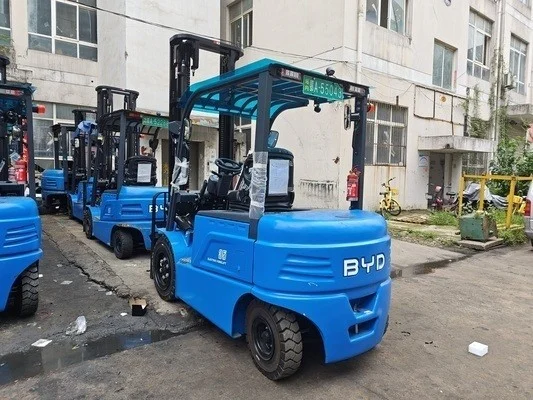
A 3-shift regional warehouse operation with 12 electric counterbalance forklifts once used just 4 old, mismatched chargers placed in a back corner of the facility. Operators regularly waited 15-20 minutes per shift on an open charger, and batteries often died mid-shift. The facility replaced its old infrastructure with 12 smart chargers placed near major work zones, matching charger output to each forklift’s battery specifications. After the upgrade, unplanned downtime dropped by 28% and monthly energy costs fell 12%, resulting in a full return on infrastructure investment within 2.5 years. This is a hypothetical scenario based on common industry outcomes, not a verified individual site result.
Actionable Selection And Planning Guidance
Match Charger Output To Battery Type And Capacity
First, confirm your electric counterbalance forklift battery chemistry (lead-acid or lithium-ion) and capacity rating. Choose chargers specifically designed to work with that chemistry and capacity. Lithium-ion batteries require different charging profiles than lead-acid, so using the wrong charger will shorten battery life quickly.
Size Infrastructure To Match Your Shift Schedule
Count how many forklifts operate during each shift, and plan enough charging points to avoid wait times. In multi-shift operations, plan one charging point per forklift if you use opportunity charging, or enough extra batteries to support full shifts if you use battery swap setups.
Position Chargers To Enable Easy Access During Breaks
Place charging stations within 50-100 feet of high-traffic work zones. This lets operators top off batteries during 10-15 minute breaks without losing significant work time traveling to distant charging locations.
Invest In Managed Charging To Reduce Energy Costs
Managed smart charging systems automatically schedule charging during off-peak utility hours, and prevent overloading your facility’s electrical system. This cuts monthly energy expenses and eliminates costly grid upgrades in many cases.
Key Limitations To Consider
Upgrading charging infrastructure requires upfront capital investment, and larger upgrades may require facility electrical system modifications that add additional cost. High-output fast chargers also generate more heat, so you must plan adequate ventilation in charging areas to avoid safety hazards and battery degradation. Not all facilities can support the electrical capacity needed to run multiple fast chargers, so you must complete a full electrical audit before finalizing your infrastructure design.
Frequently Asked Questions
Can I reuse old chargers with new electric counterbalance forklifts?
You can only reuse old chargers if their output, connection type, and charging profile match the specifications of your new forklift’s battery. Mismatched chargers will cause accelerated battery degradation and increased downtime, so replacement is almost always recommended when upgrading your forklift fleet.
How much upfront investment does proper charging infrastructure require?
Costs vary based on number of chargers, charger output, required electrical upgrades, and facility layout. Small operations with 2-3 forklifts can expect a few thousand dollars total, while large multi-forklift multi-shift operations may require tens of thousands of dollars in investment. Always get a professional electrical audit to confirm total costs before starting work.
Is opportunity charging better than battery swapping when used with electric counterbalance forklifts?
It depends on your operation. Opportunity charging requires more charging points distributed across your facility, but eliminates requirements related to extra backup batteries and battery swap equipment. Battery swapping works well when operations cannot stop to charge during shifts, but requires upfront investment in extra batteries and swap stations. Evaluate your shift schedule, facility layout, and budget to choose the right model that fits your site.
Does charging infrastructure impact forklift warranty coverage?
Many manufacturers void battery or forklift warranty coverage if you use non-approved charging equipment. Always check your forklift manufacturer’s guidelines before selecting chargers to ensure your coverage remains valid.
Proper site charging infrastructure is a critical component of any successful electric counterbalance forklift deployment. It directly impacts daily operational uptime, battery service life, energy costs, and long-term total ownership expenses. By matching your infrastructure to your fleet’s needs, planning adequate capacity, and leveraging smart managed charging, you can maximize the value of your electric forklift investment and avoid unexpected expenses down the line.