Key Compatibility Checks Between Site Electrical Infrastructure And High Capacity Electric Forklift Battery Systems
News 16/10/2026
Many operations upgrade electric forklift fleets without verifying site electrical infrastructure matches new high capacity battery system requirements. Failing complete required checks leads to costly downtime, safety hazards and premature battery degradation. This guide breaks down critical checks every site manager completes before installing new high capacity electric forklift battery systems.
Core Voltage and Amperage Compatibility Checks
Mismatched voltage ranks among top causes of premature battery failure and safety hazards. Site electrical infrastructure must deliver consistent voltage matching the battery system’s rated input range. Fluctuations outside this range damage battery cells, reduce overall usable life and create fire hazards in extreme scenarios.
Calculate Total Peak Load Draw
High capacity batteries draw much higher current during charging than standard lower capacity units. This gap grows larger when multiple chargers run at the same time. Most existing site panels were installed years ago, when fleets used smaller batteries or fewer electric units. Total peak draw can exceed panel rated capacity, leading to tripped breakers or overheated wiring during charging cycles. Follow these steps to get an accurate calculation:
- Document rated input current each battery charger requires
- Add current draw from all other connected devices sharing the same circuit
- Multiply total draw by 1.25 to add a safety buffer during peak operation
- Compare final value to circuit and main panel maximum rated capacity
Check Voltage Regulation Quality
Older site infrastructure often suffers from inconsistent voltage regulation, especially during high demand periods. High capacity electric forklift battery systems rely on steady voltage to complete full charging cycles. Poor regulation leads to incomplete charging, reduced run time between charges and accelerated cell degradation. You can test voltage levels across different shift times to identify consistent fluctuations that impact battery performance.
Wiring and Grounding System Compatibility
High capacity charging systems generate more heat through wiring than lower capacity alternatives. Old wiring with insufficient gauge cannot handle increased current flow. Overheated wiring insulation breaks down over time, creating shock and fire risks. Check wiring gauge matches charger manufacturer requirements before connecting any new high capacity battery system. If existing wiring does not meet requirements, upgrade wiring before installation to avoid safety issues.
Verify Grounding System Integrity
Proper grounding protects both workers and expensive battery equipment from electrical surges. Many older sites have outdated grounding systems that do not meet current electrical code requirements of modern high capacity battery systems. Test grounding resistance to confirm it falls within acceptable range outlined by your local electrical code and battery manufacturer. Loose or corroded grounding connections also require replacement, as they create unstable charging conditions that damage battery cells.
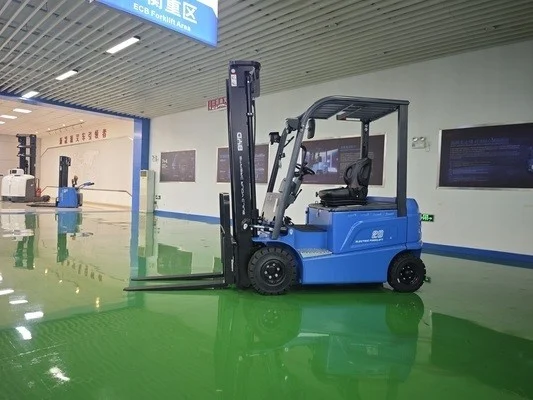
You also need check available space in electrical panels and charging areas. High capacity battery systems and their associated chargers often require more physical space than older units. Poor ventilation around charging equipment leads to overheating during charging, which reduces battery life and increases safety risks. Ensure your charging area meets clearance requirements covering ventilation and access outlined by the manufacturer.
Frequently Asked Questions
Can I upgrade my battery system one at a time without upgrading site infrastructure?
Partial upgrades work only if your existing infrastructure has enough spare capacity handle additional high capacity units. You must complete all compatibility checks after adding each new unit to confirm total load stays within safe limits. If your site does not have enough capacity, staggered upgrades require infrastructure upgrades spread across multiple phases to avoid overloading existing systems.
What issues arise from skipping compatibility checks before installing new batteries?
Skipping checks leads to multiple problems: tripped breakers that stop operations during charging, premature cell degradation that cuts battery life short, fire and shock hazards workers, and voided manufacturer warranties in most cases. Most manufacturers require proof of infrastructure compatibility before honoring warranty claims.
Do I need permit to upgrade site electrical infrastructure?
Most regions require electrical work permits covering any upgrades to main panels or wiring related to high capacity commercial equipment. You need contact your local building department confirm requirements before starting any work. Hiring licensed electricians ensures work meets all local code requirements.