How Many Types of Forklift Are There: A Classification Breakdown Based On Core Structural Design Variations Informing Industrial Material Handling Equipment Selection
News 20/10/2026
The answer to this common question depends on what classification system you use. This guide groups forklift types by core structural design, the most useful framework when you select equipment matching your facility and operation needs.
Core Classification By Power Source
Power source integration changes core chassis structure and weight distribution, creating two primary groups of counterbalance forklifts, the most common general-use design.
Internal Combustion Counterbalance Forklifts
These units rely on gasoline, diesel or liquefied petroleum gas engines mounted to a heavy counterbalanced rear chassis. The counterbalance offsets load weight placed on front forks. They deliver high torque and work well with outdoor operations on uneven ground. No battery charging infrastructure required, so you can run continuous shifts with quick refueling. Limitations include higher emissions, louder operation and larger turning radius, so they rarely suit indoor enclosed spaces.
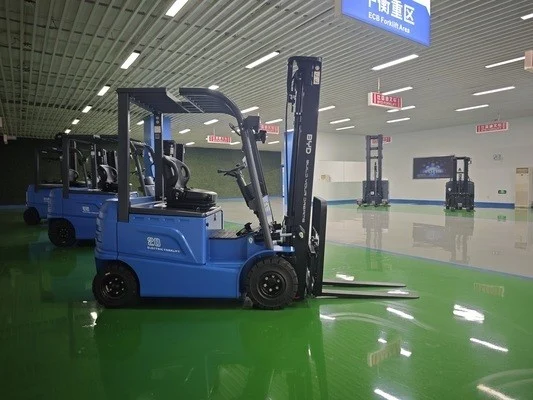
Electric Counterbalance Forklifts
These units replace internal combustion engines with large rechargeable battery packs that also serve as the rear counterbalance. Structure eliminates tailpipe emissions, so operation stays quiet and clean. They suit indoor warehouse and distribution center work. Modern lithium ion options cut charging time and extend run times, but lead acid batteries remain common lower-cost alternatives. Weight limits match most common internal combustion units, but cold storage or wet outdoor environments require additional protective housing.
Classification By Mast Design
Mast structure controls how forks lift loads and what clearance you need to operate safely. Different designs match different storage and loading requirements.
Standard Single or Two-Stage Masts
These masts feature limited free lift, meaning forks rise with the outer mast section from the start of travel. They work well with low-lift applications where maximum lift height stays under 15 feet, and overhead clearance does not create issues. Simple structure keeps maintenance costs low.
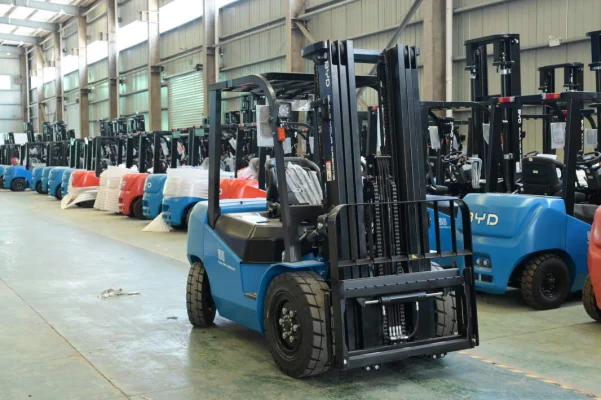
Full Free Lift Triplex Masts
These designs add an internal hydraulic stage that lifts forks fully before the outer mast sections extend upward. This structure lets operators raise loads inside shipping containers or low-clearance trailers without hitting overhead obstacles. Most modern warehouse units use this mast design, as it supports lift heights up to 30+ feet suited to high-bay storage.
Retractable Side-Shift Masts
This adds a side-to-side sliding mechanism to the mast carriage, letting operators reposition forks without moving the entire forklift. It speeds up loading and unloading tasks, reduces pallet damage and helps align forks accurately across uneven loading bays. Most new forklift models include this feature as standard today.
Classification By Chassis & Operation Configuration
Chassis design and operator placement determine overall unit size, turning radius and fatigue levels during long shifts. This classification directly impacts compatibility with your facility’s aisle layout.
Sit-Down Rider Units
This configuration places the operator in a seated position within an enclosed or open canopy chassis. It supports long continuous shifts, reduces operator fatigue, and suits heavy load operations over large facility footprints. Most counterbalance units, both internal combustion and electric, use this configuration.
Stand-On Rider Units
This design mounts the operator platform on the rear chassis, with no enclosed seating. It creates a smaller overall footprint and shorter turning radius, so it suits narrow aisle warehouse operations. Operators can quickly mount and dismount between picking tasks, which speeds up order fulfillment work.
Walk-Behind Powered Units
These compact units have no operator platform. An operator walks behind the unit to control movement and lift. They handle light load capacities up to around 5,000 pounds, and suit small loading docks, retail backrooms and tight storage spaces. Lower purchase and maintenance costs make them accessible to small operations that handle occasional material movement.
Your selection here depends on your aisle width, daily operation duration and load frequency. Narrow aisles under 10 feet require stand-on or walk-behind configurations, while wide open yards and long shifts favor sit-down units.
Frequently Asked Questions
Which forklift type works best indoor warehouse spaces?
Electric stand-on or sit-down counterbalance units with full free lift masts suit most indoor warehouse operations. Their zero emissions and quiet operation align with indoor air quality and noise requirements, and compact configurations fit standard and narrow aisle layouts.
Can any standard forklift work rough outdoor terrain?
No. Standard counterbalance forklifts use smooth solid tires built to handle flat paved surfaces. Rough terrain forklifts feature modified chassis, larger treaded tires and higher ground clearance to handle uneven unimproved ground common across construction and outdoor storage sites. You must select a unit built specifically to handle these conditions to avoid safety risks and equipment damage.
What structural feature matters most narrow aisle storage?
A compact chassis paired with a retractable mast and side-shift carriage delivers the biggest performance gains across narrow aisles. Stand-on configurations also cut turning radius further, letting you maximize available storage space without sacrificing maneuverability.
Before you finalize your selection, confirm your facility’s maximum aisle width, maximum lift height requirement and typical load weight. These three factors narrow your options quickly, based on structural classifications outlined within this guide.