How Warranty Coverage and After-Sales Support Structures Impact Electric Forklift Price
News 18/10/2026
When buyers evaluate electric forklift options, upfront price sits at top of comparison lists. Most overlook how warranty coverage and after-sales support structures directly shape both initial purchase cost and long-term ownership expenses. Electric forklift price varies not just based on load capacity or battery type, but on the level of risk suppliers take on through extended coverage and dedicated support. Lower upfront prices almost always come with narrower coverage, leaving buyers covering expensive repairs early into asset life. Higher upfront prices include built-in coverage that reduces unplanned spending later.
Warehouse and distribution operations rely on continuous equipment movement. Even one day of downtime can delay order fulfillment, disrupt scheduling and erode customer trust. The cost of this downtime far outweighs initial savings you get from a lower priced electric forklift without adequate support.
Below is a comparison of common coverage types and their impact on pricing:
| Coverage Type | Typical Upfront Price Impact | Buyer Verification Check List |
|---|---|---|
| Basic 1-year factory warranty | Lowest base electric forklift price | Confirm which parts are excluded, request written terms covering labor costs |
| 3-year full powertrain warranty | 3-10% higher base price (varies by manufacturer) | Verify coverage terms battery and BMS components, check on-site repair inclusion |
| 5-year extended component warranty | 8-15% higher base price | Confirm transferability if you resell the asset, check deductibles or service call fees |
| Full maintenance subscription bundled with purchase | Highest upfront cost, or structured annual payment | Check what maintenance tasks are included, confirm response time guarantee covering breakdowns |
Key Warranty Components That Shift Upfront Pricing
Battery Coverage Terms
Batteries rank among the most expensive components within any electric forklift. Supplier coverage length and scope directly impact upfront pricing. If a supplier covers 100% of battery replacement costs within first three years, their upfront price reflects the risk they hold. If coverage only applies to manufacturing defects and excludes normal capacity fade, the base price drops. Buyers need to verify what counts as a valid claim, and what conditions void coverage.
Labor And On-Site Service Coverage
Many lower priced electric forklifts only cover replacement parts, not labor or travel costs associated with repairs. This reduces the upfront price listed in quotes, but leaves buyers covering all labor expenses when issues arise. Buyers must separate part coverage from labor coverage when comparing quotes, because unplanned labor costs can equal or exceed part costs within first five years of operation.
Exclusion Clauses
Many low-cost warranty plans exclude a wide range of common failure points, including hydraulic system issues and electrical connector failures from normal use. Lower upfront pricing comes from shifting all these repair risks back to the buyer. Always review the full text of exclusion clauses before committing to a purchase.
After-Sales Support Inclusions That Change Total Cost
Warranty terms outline coverage, but actual after-sales support infrastructure determines whether you can actually use that coverage when you need it. Two core support elements impact both upfront price and long-term costs:
Local Parts Inventory
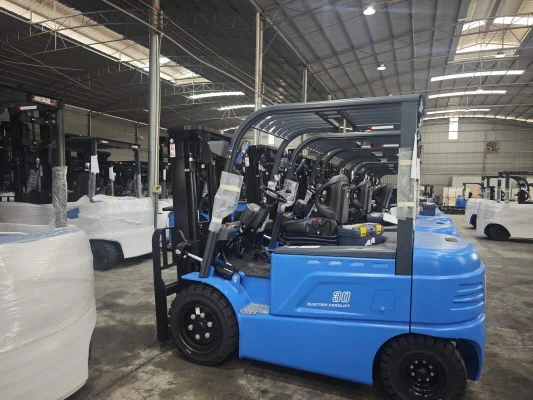
Suppliers maintaining local stocked parts can get your forklift back online faster, reducing downtime costs your operation incurs. This local infrastructure gets built into electric forklift price, because the supplier holds inventory and pays local staff. Suppliers without local infrastructure offer lower prices, but you can wait weeks for replacement parts, leading to extended workflow stops.
Dedicated vs Third-Party Service Teams
Dedicated in-house support teams know the brand’s equipment well, and can diagnose issues faster. This capability adds overhead to supplier operations, which gets reflected in slightly higher upfront pricing. Third party contractors cost suppliers less, so they pass lower prices to buyers, but diagnostic errors and longer repair times become common.
Frequently Asked Questions
Can I buy extended warranty after my initial purchase?
Most manufacturers offer extended warranty options within first 90 days of original purchase. Prices change based on how many hours your forklift has already operated. Waiting to buy coverage later often leads to higher costs, and some providers refuse coverage after the base warranty expires.
Do all electric forklift suppliers include the same after-sales support?
No. Support structures vary widely between original equipment manufacturers and third party resellers. Resellers often offer lower prices, but rely on third party service providers rather than manufacturer trained technicians. Always confirm who will handle service and warranty claims before you sign a purchase agreement.
Why do some suppliers offer lower electric forklift price with similar warranty terms?
Similar warranty terms often hide different exclusion clauses, or lack local support infrastructure. A supplier with lower overhead or no local parts inventory can offer a lower upfront price, but you will face higher costs and longer delays when you need repairs. Always compare fine print of warranty terms and confirm local support capabilities before choosing the lowest quote.
Should I pick lower price or better warranty when operating single shift small warehouses?
Small operations with low utilization and multiple backup lifting equipment can often choose a lower price with base warranty, because downtime risk stays low. If your operation runs multiple shifts with no backup equipment, better warranty and local support delivers lower long-term total cost, even with higher upfront electric forklift price.
Before you finalize your purchase, confirm these items with your supplier: 1. Full written warranty terms with all exclusions clearly listed 2. Local parts inventory levels your model’s most common replacement components 3. Average response time on-site service calls 4. Labor cost inclusion within warranty period 5. Terms covering battery capacity fade within warranty window. This process helps you compare total ownership cost instead of just upfront electric forklift price, matching your choice to your operation’s specific needs.