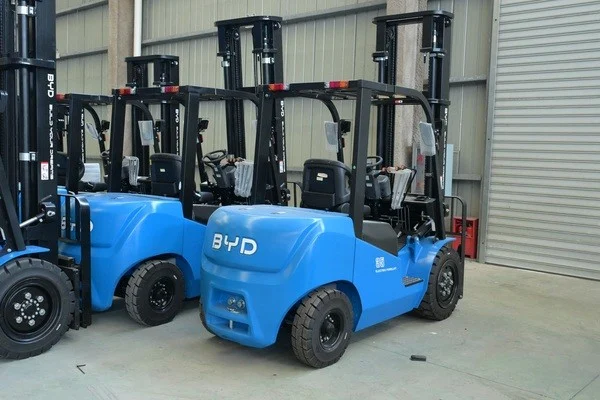
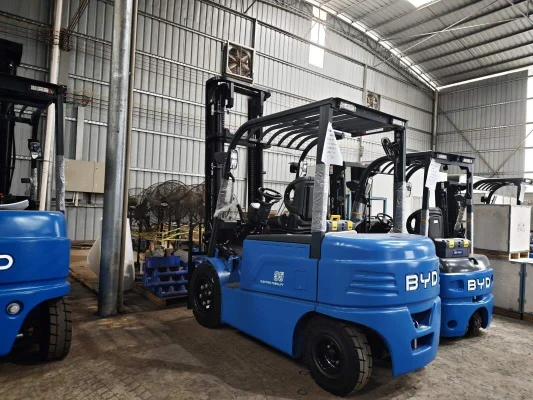
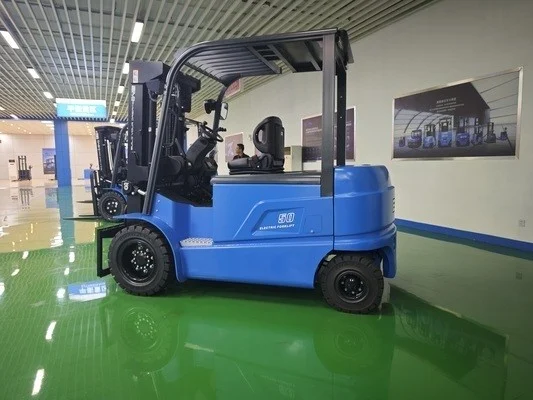
Factory Electric Forklift Procurement: Load Center and Mast Height Checks Before Specifying a Four-Wheel Counterbalance Model
News 22/10/2026
Factory procurement teams need clear, accurate specifications when sourcing four-wheel counterbalance electric forklifts. Two often overlooked parameters, load center and mast height, directly impact operational safety, lifting capacity and overall equipment lifespan. Skipping pre-procurement checks on these values leads to ill-suited units that cannot handle daily work requirements.
Why Load Center Matters When Specifying Your Unit
Load center refers to the horizontal distance from the forklift fork heel to the center of gravity of your typical load. Standard four-wheel counterbalance electric forklift base models use common 500mm or 600mm load centers as default specifications.
Your actual load size changes maximum safe lifting capacity. A load longer than your unit’s rated load center shifts the center of gravity forward, which reduces the amount of weight your forklift can safely lift. This creates tip-over risk and causes excess wear on lift components and battery.
How do you get your correct load center value? Follow this simple process:
- Measure the length of your most common, heaviest load
- Divide that length by two to get your actual load center distance
- Compare your result against the default load center of any candidate model
If your actual load center exceeds the default rating, you need a model adjusted to your higher value. BYD four-wheel counterbalance electric lithium forklifts offer configurable load centers matching different factory handling needs.
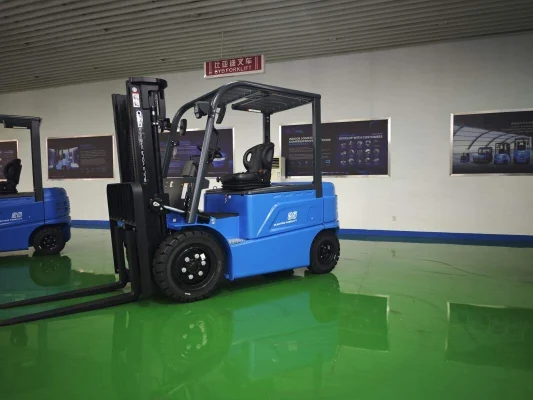
How To Verify Correct Mast Height Requirements
Mast height defines how high your forklift can lift a load. Two core measurements you need before finalizing specifications:
Extended Mast Height
This measurement tells you the maximum height the mast reaches when fully extended. You must account for any overhead obstructions in your facility: doorways, overhead beams, ceiling trusses, sprinkler systems and high storage racking. Always add a small safety margin to your required maximum height to avoid accidental collisions.
Collapsed Mast Height
This measurement describes the mast’s total height when fully lowered. Low doorways, underground loading bays and container interiors impose strict limits here. A unit with too tall a collapsed mast cannot access key work zones your facility needs.
Many procurement teams only check extended height and overlook collapsed height. This error leads to costly modifications or full unit replacement after delivery. Confirm both values against your facility’s physical constraints before placing any order.
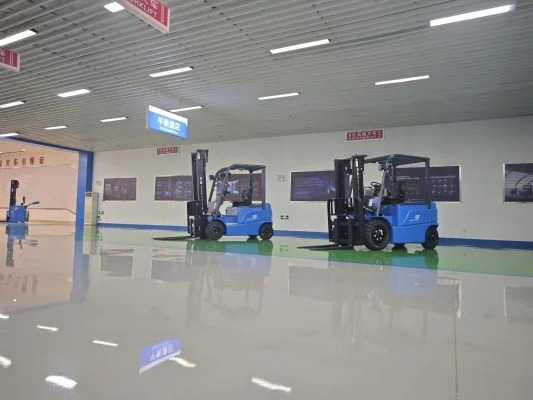
Common Mistakes That Derail Procurement Projects
These avoidable errors create unnecessary delays and added costs:
- Guessing values instead of measuring on site: Relying on assumed load sizes or facility dimensions leads to incorrect specs. Always measure actual conditions instead of using generic defaults.
- Ignoring future growth: If your facility plans to add higher storage racks or handle larger loads within the equipment service life, build this into your specifications early. Changes after delivery cost far more than correct initial configuration.
- Mismatching load center to lifting capacity requirements: Teams often focus only on total load weight and ignore load center impact on actual safe capacity. A 2 ton unit rated at 500mm load center can only safely handle 1.5 tons with a 600mm load center, so adjust your selection accordingly.
Once you confirm your load center and mast height values, you can share these details along with your facility’s aisle width, daily work shift data and ground condition details to get accurate configuration recommendations from your supplier.
Frequently Asked Questions
Do I need to adjust specs when I handle multiple load sizes?
Size your specification around your largest, heaviest most frequent load. This ensures your unit can handle all normal operations safely. If you have occasional outlier loads, you can adjust work protocols to accommodate those without overspecifying your primary unit.
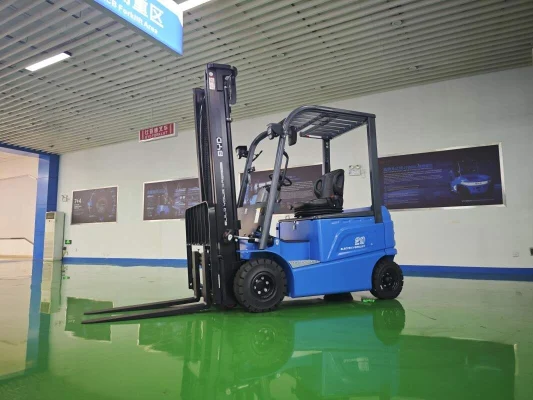
Can I modify load center or mast height after delivery?
In most cases, these are core structural specifications that cannot be modified cost effectively. Mast replacement requires major component changes, which typically costs a large share of your original unit investment. Confirm all specs before order placement.
What safety margin should I add to mast height calculations?
Industry best practice suggests adding 100mm to 150mm of margin to extended height to accommodate overhead clearance, and check collapsed height against the lowest entry point within your work area. This accounts for small measurement errors and unexpected facility changes.
If you need help matching your factory’s specific requirements to a BYD four-wheel counterbalance electric forklift, share your measured load center, mast height and other site details with our team to get custom configuration guidance.