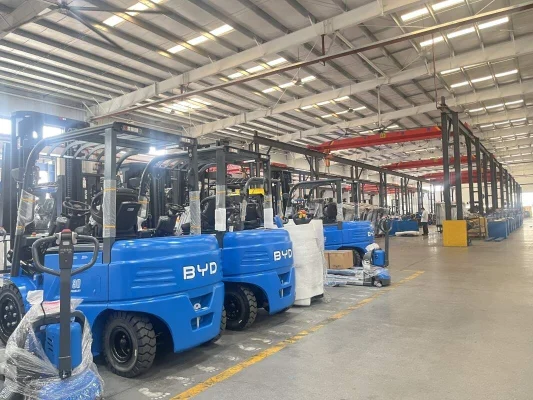
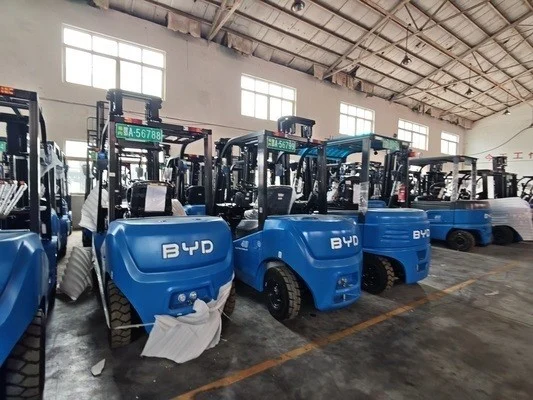
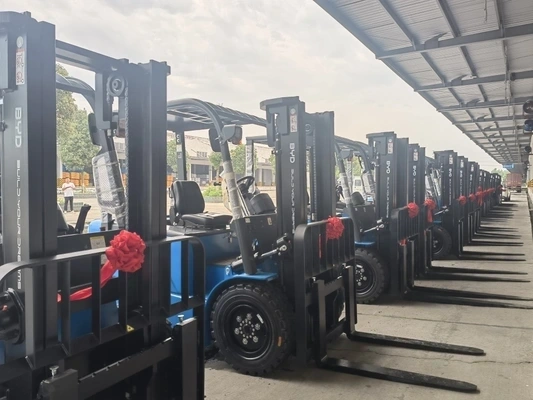
3 Ton Electric Forklift: Configuration Adjustments Improve Narrow Aisle Maneuverability
News 10/10/2026
Warehouses and distribution centers continue maximizing storage density by reducing aisle width between racking systems. Many operations require lifting capacity matching 3 ton electric forklift units, but standard factory configurations struggle within tight aisles. Poor maneuverability leads to damaged racking, slower load cycles, and increased safety risks operators face. Targeted configuration adjustments address these issues by tuning key components to work effectively within smaller clearances, without abandoning the 3 ton load capacity many daily operations require.
Core Configuration Areas Affecting Narrow Aisle Performance
Several key design and configuration changes directly impact how well a 3 ton electric forklift handles narrow aisles. Each adjustment targets specific sources of wasted space during turning and maneuvering.
Mast Design Modifications
Standard forklift masts matching 3 ton units include extra clearance to accommodate mast tilt and load shift during travel. This extra clearance increases the overall space needed to complete a 90-degree turn into a racking position. Configuration adjustments narrow mast profile by using lighter, high-strength steel components and repositioning hydraulic lines along the mast sides. These changes reduce the overall mast width by up to 10 percent in most cases, cutting the total clearance needed to turn into storage positions. Adjustable mast tilt limiting also prevents excessive load movement that requires extra aisle space, while still allowing enough tilt to properly seat loads on racking.
Turning Radius Adjustments
Standard 3 ton electric forklift units typically have a turning radius between 7 and 9 feet, depending on model. Configuration adjustments can reduce this radius through modified steering linkage that allows greater front wheel turn angles. Some modular designs also offer articulated rear axle steering that shifts the pivot point during turning, cutting overall turning circle size. Operators can complete full turns within smaller spaces, reducing extra clearance needs at aisle ends. One key note: greater turn angles increase stress on steering components, so manufacturers usually recommend more frequent inspection intervals to maintain safety.
Counterweight Positioning Changes
Counterweight balances load weight on a forklift, and standard configurations place counterweight further from the front axle to support full 3 ton capacity at maximum lift height. This extended placement increases overall vehicle length and turning radius. Adjustments move counterweight closer to the vehicle center of gravity, shortening overall length and reducing turning space requirements. Engineers recalibrate weight distribution to maintain stability matching most common load heights, so operations with consistent load lift requirements can retain full 3 ton capacity at their typical working height.
Practical Assumed Application Scenarios
Configuration adjustments deliver clear benefits across multiple common operational settings. Below are typical scenarios where these changes add measurable value:
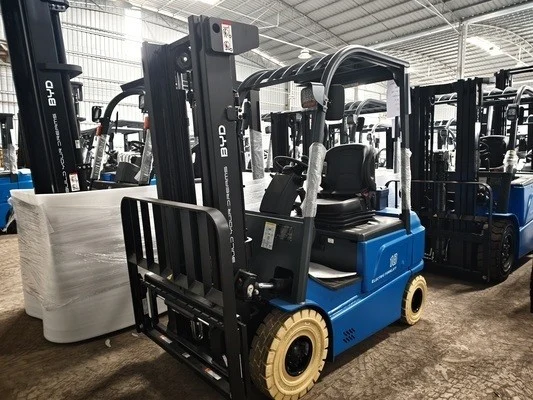
First, small to mid-sized 3PL warehouses: Many 3PL operations retrofit older buildings to add more racking, which cuts aisle width below original design specifications. A 3 ton electric forklift with adjusted configurations fits into new narrower aisles, so operations do not need to replace their entire fleet or invest in expensive very narrow aisle (VNA) specialty equipment that carries significantly higher price tags.
Second, retail distribution centers with mixed storage: These facilities handle a mix of large pallets requiring 3 ton capacity and dense storage zones with narrow aisles. Adjusted 3 ton units can move between bulk storage and dense storage zones without needing multiple specialized forklifts serving different areas.
Third, manufacturing plant storage areas: Indoor storage zones within manufacturing plants often have tight aisles between work cells and raw material storage. Adjusted configurations let 3 ton electric forklift units maneuver between work cells without damaging equipment or wall structures, while still lifting full size raw material pallets.
Selection Guidance and Key Limitations
Not every operation benefits from these configuration adjustments, and understanding key limitations helps avoid costly mistakes. Below is clear guidance:
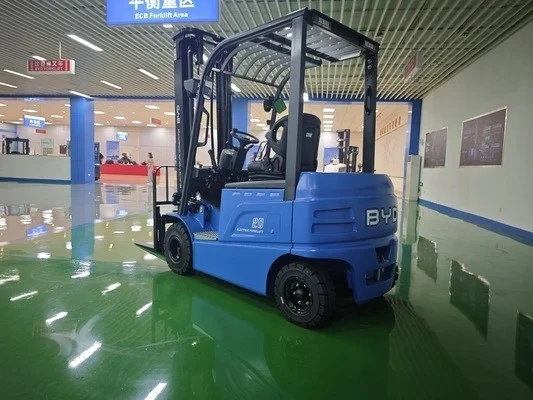
When selecting an adjusted 3 ton electric forklift, first measure your minimum aisle clearance accurately. Measure clearance between racking uprights, not just between rack faces, to account for protrusions from the rack structure. Match the forklift’s required turning clearance to your measured aisle width, leave at least 6 inches of extra clearance on each side to accommodate operator error.
Key limitations to consider include:
- Reduced maximum capacity at high lift heights: Moving counterweight closer to the center of gravity reduces stability when lifting loads above 15 feet. Most manufacturers rate adjusted units to deliver full 3 ton capacity only below 12 feet lift height, so confirm your typical maximum lift height matches the unit’s rating before purchase.
- Increased maintenance requirements: Modified steering components and narrower mast profiles require more frequent inspection to prevent wear-related failures. Plan for 10 to 15 percent higher annual maintenance costs compared to standard configurations.
- Limited aftermarket modification options: Most valid configuration changes come directly from the original equipment manufacturer. Aftermarket modifications on standard units often void warranties and can create unaddressed safety risks related to stability and component strength.
Always request specification documents from the manufacturer confirming load ratings and stability testing covering any adjusted configuration before committing to purchase.
Frequently Asked Questions
Can any 3 ton electric forklift get configuration adjustments targeting narrow aisles?
Only modular design 3 ton electric forklift units support factory-validated configuration adjustments. Standard fixed design models do not allow safe changes to key components like counterweight placement or steering angle. Aftermarket adjustments on non-modular models often void product warranties and create significant safety risks related to vehicle stability.
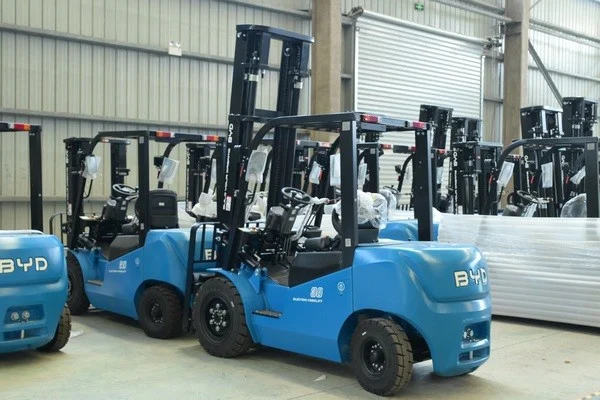
What aisle width counts as narrow when operating 3 ton electric forklift?
Industry common definitions set narrow aisles as those with 8 to 10 feet of clear turning clearance. Standard 3 ton electric forklift configurations require 12 to 14 feet of clear clearance to complete turning into racking positions. Adjusted configurations fit within the 8 to 10 foot narrow aisle range.
Do configuration changes reduce maximum load capacity?
Capacity changes depend on the scope of adjustments and your maximum required lift height. Adjustments that shift vehicle center of gravity typically lead to slight capacity reductions when lifting loads above 12 feet. Most adjusted units retain full 3 ton capacity when lift heights stay below 12 feet, which meets needs of most common warehouse operations.
Are adjusted 3 ton electric forklifts more costly than standard units?
Yes, factory configured narrow aisle versions add a 5 to 15 percent premium to the base purchase price, depending on the number and type of adjustments. This premium remains far lower than the cost of purchasing specialty VNA forklift equipment, making it a cost effective middle ground supporting many operations.
Actionable Final Recommendations
Operations needing 3 ton load capacity within narrow aisles gain significant value from targeted factory configuration adjustments. These changes deliver improved maneuverability without the higher cost of fully specialized narrow aisle equipment. Always start by measuring your actual aisle clearance, confirm load ratings match your maximum lift height requirements, and only purchase factory-validated configurations to ensure long term safety and reliability. This approach matches your equipment to your space constraints, reduces accident risk, and improves overall operational efficiency.