Electric Forklifts: Aligning Charging Infrastructure With Food Industry Continuous Shift Production Schedules
News 14/10/2026
Core Challenges Aligning Charging To Continuous Food Industry Production
Most food industry operations run continuous shift schedules to meet demand, avoid product spoilage, and keep production lines moving. Unplanned downtime from depleted electric forklift batteries creates immediate costly disruptions. Spoiled raw ingredients, missed shipping deadlines, and idle production staff all result from poorly planned charging infrastructure.
Additional unique challenges come from food industry operational requirements. Hygiene rules ban open battery designs that can leak electrolytes or collect debris that harbors bacteria. Facility layout often limits available space extra equipment like spare batteries or dedicated charging zones. Many older food processing plants also have limited grid capacity that cannot support high-power simultaneous charging.
Downtime Risk Impact On Production Deadlines
Continuous production operations rarely have extended windows where all equipment can sit idle. One example: ready-to-eat meal production lines run 24 hours a day, six days a week, with only 15 to 30 minute break windows between shifts. If forklifts moving raw ingredients or finished products run out of power mid-shift, production stops until a replacement becomes available. This leads to wasted product and missed customer delivery commitments.
Hygiene And Regulatory Constraints
Food industry facilities must meet strict food safety regulations. Charging infrastructure and batteries cannot introduce contamination risks. Open lead-acid batteries require ventilation that can spread fumes or electrolyte leaks into processing areas. This makes many traditional charging setups unsuitable facilities handling unpackaged food products.
Proven Charging Infrastructure Strategies Supporting Continuous Shift Operations
Three main charging strategies work well with continuous shift schedules, each with distinct benefits and limitations matching different operational needs.
Opportunity Charging Setups
Opportunity charging leverages short break periods between shift changes or employee breaks to top up forklift batteries. This strategy eliminates need for… wait no, eliminates need of spare batteries, as each forklift charges during natural idle periods throughout the day. Limitations include requirement for… no, requirement of multiple charging points across the facility, and enough grid capacity to handle multiple simultaneous charging sessions. This strategy works best operations with consistent 10 to 20 minute idle windows between shifts.
Battery Swapping Systems
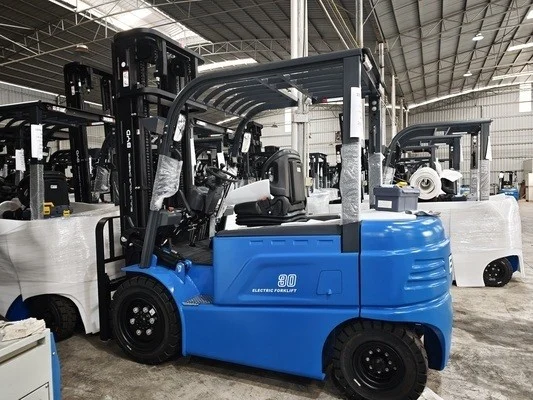
Battery swapping involves removing a depleted battery from a forklift and replacing it with a fully charged unit in minutes. This strategy keeps forklifts in operation almost continuously, with only a few minutes of downtime per swap. Limitations include high initial capital cost, as operators need at least one spare battery per forklift, plus dedicated secure storage space spare batteries. Sealed lithium-ion batteries make this strategy safer food facilities, as they eliminate electrolyte leak risks.
Dedicated Fast Charging Zones
Dedicated fast charging zones use high-power chargers to fully recharge a depleted battery in under one hour. This strategy works well operations with staggered shift schedules, where some forklifts can be taken out of operation short charging periods while others handle workload. Limitations include high power demand that requires upgraded grid capacity in many older facilities, and repeated fast charging can reduce overall battery lifespan over time if not matched to battery manufacturer specifications.
Key Selection Criteria Guiding Your Infrastructure Choice
Selecting the right charging infrastructure depends on four core factors specific to your facility:
First, assess available grid capacity. Contact your local power provider to complete an assessment of maximum available power at your facility before finalizing any charging strategy. Fast charging and multiple opportunity charging points require far more capacity than traditional overnight charging.
Second, evaluate available facility space. Battery swapping needs dedicated climate-controlled storage space spare batteries, located away from processing areas to meet food safety rules. If your facility has limited extra space, opportunity charging is often a better fit.
Third, align charging with your shift schedule. If your operation has 10 to 30 minute break windows built into every shift, opportunity charging fits seamlessly. If your operation runs non-stop with no extended break windows, battery swapping or staggered fast charging will meet your needs better.
Fourth, match infrastructure to food safety requirements. Choose sealed battery designs that prevent contamination risks, and locate charging zones away from unpackaged food processing or storage areas. Avoid open lead-acid battery setups in facilities handling ready-to-eat food products.
Frequently Asked Questions
Can electric forklifts support 24/7 food production operations?
Yes, when paired with properly aligned charging infrastructure. The right strategy matches your available space, grid capacity, and production stop schedule to eliminate unplanned downtime. No single strategy works all operations, so assessment of your specific needs comes first.
What hygiene considerations apply to charging infrastructure within food facilities?
Charging equipment and batteries must use sealed construction to prevent fluid leaks, debris buildup, or bacterial contamination risks. Charging zones must sit away from raw product storage or open processing areas, and allow easy regular cleaning to meet food safety standards.
How much grid capacity do I need to support multi-shift charging?
Required capacity depends on number of forklifts, charging type, and number of simultaneous charging sessions. Fast charging or multiple opportunity charging points require higher grid capacity than overnight-only charging. You should complete a professional grid assessment before any infrastructure installation.
Do cold storage food operations require special charging setups?
Yes, low temperatures impact battery performance and charging speed. Cold storage facilities need batteries rated for low temperature operation, and charging zones typically located in temperature-controlled areas to maintain battery health during charging cycles.
Aligning charging infrastructure with your continuous shift schedule ensures electric forklifts deliver reliable performance without unplanned downtime. Careful assessment of your facility constraints, operational schedule, and food safety requirements helps you select the strategy that fits your needs long term.