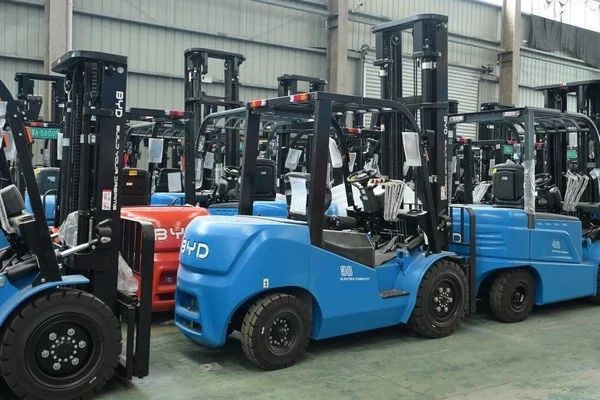
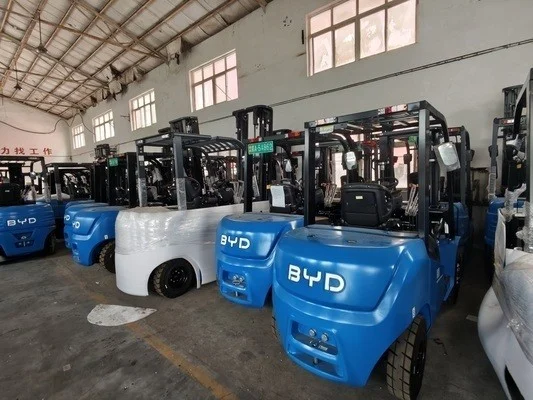
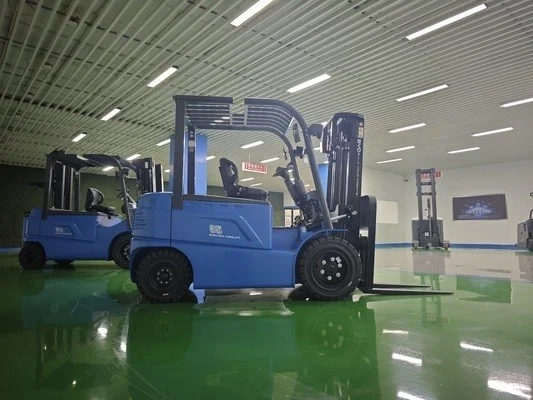
Food Industry Electric Forklifts: Design Features Supporting Reliable Cold Storage Logistics
News 10/10/2026
Food industry cold storage operations demand consistent, contamination-free material handling. Electric forklifts meet these needs better than many internal combustion alternatives, thanks to targeted design features that address low temperatures, hygiene rules and strict regulatory requirements food operations follow. This guide covers core design elements that support reliable performance, along with selection guidance and answers to common questions.
Core Design Features Supporting Cold Storage Food Operations
Cold-Rated Battery And Power Systems
Standard electric forklift batteries lose capacity quickly in sub-zero temperatures common to frozen food storage facilities. Purpose-built designs constructed to operate in cold environments use sealed, temperature-regulated battery packs. These systems maintain consistent output even at temperatures as low as -20°F, avoiding unexpected downtime that can spoil perishable inventory. Many designs also include heated battery compartments that keep cells within their optimal operating range during extended shifts.
Hygiene-Friendly Construction
Food operations must avoid cross-contamination risks, so electric forklift designs tailored to these uses use smooth, non-porous stainless steel or food-grade coated steel frames. These materials resist cleaning chemicals used to sanitize equipment between production runs, and do not shed paint or metal flakes that can contaminate food products. Open frame designs eliminate hard-to-clean crevices where bacteria or debris can build up, making regular sanitation protocols easier to complete correctly.
Low Emission And Low Heat Output
Unlike internal combustion forklifts, electric units produce zero on-board exhaust emissions. This eliminates fumes that can affect air quality in enclosed cold storage spaces, and removes risk of fuel leaks that can contaminate food products. Electric designs also produce far less heat than combustion alternatives, reducing strain on cold storage cooling systems and helping maintain consistent storage temperatures. This benefit lowers overall energy use across the entire facility.
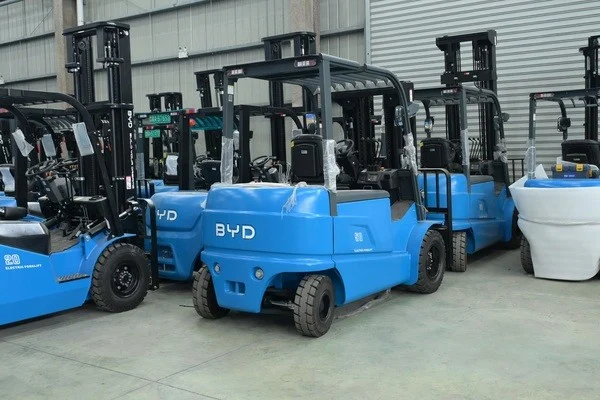
Safety Features Aligned To Industry Requirements
Food industry cold storage environments often have wet, slippery floors. Design features like non-slip traction control, LED lighting optimized for low-temperature conditions, and automatic parking brakes reduce accident risks. Many designs also include audible backup alarms and load sensing systems that prevent overloading, a common cause of accidents in busy cold storage warehouses.
Practical Selection Guidance
Before choosing an electric forklift to support your food cold storage operations, consider these key factors:
- Temperature rating: Confirm the forklift’s battery and electrical components are rated for the lowest temperatures your facility maintains. Frozen food storage requires different ratings than cold storage holding chilled products.
- Hygiene certification: Check that all materials in contact with potential food exposure meet relevant food safety standards your operation must follow.
- Battery runtime: Match battery capacity to your longest shift to avoid mid-shift changes that reduce productivity. Cold temperatures reduce overall runtime, so size your battery 10-15% larger than you would use in a room temperature facility.
- Maintenance access: Choose designs that allow easy cleaning and routine maintenance to reduce downtime and keep compliance documentation up to date.
Limitations To Consider
Electric forklifts suited to food industry cold storage have higher upfront costs than standard room temperature electric forklifts, due to specialized cold-rated components and hygiene-focused materials. Battery replacement costs associated with cold-rated units are also typically higher than standard replacements. In facilities with very low temperatures below -20°F, additional battery heating systems may be required to maintain performance, adding to overall equipment and energy costs.
Frequently Asked Questions
Are electric forklifts better than internal combustion forklifts in food cold storage?
Most food operations see better performance from electric units than internal combustion alternatives. Electric units eliminate exhaust emissions and fuel contamination risks, produce less heat that raises cold storage temperatures, and require less routine maintenance than internal combustion units. The main tradeoff is higher upfront cost associated with specialized cold-rated designs.
How often should I service a cold storage electric forklift?
Cold storage operations place extra strain on battery and sealing components, so service intervals should be shorter than those used in room temperature warehouses. Most operations follow a 90-day routine service schedule, with monthly inspections of battery health and seal integrity to prevent unexpected downtime.
Can I convert a standard electric forklift to use in food cold storage?
Most standard electric forklifts do not have cold-rated batteries or sealing required to withstand sub-zero temperatures. Converting a standard unit often costs nearly as much as purchasing a purpose-built unit, and may not meet food hygiene requirements your operation must follow. Most operations find purpose-built designs deliver better long-term value.
What load capacity options work with food cold storage operations?
Food cold storage electric forklifts are available in the same broad range of load capacities as standard electric forklifts, from 3,000 pound entry-level units up to 15,000 pound heavy-duty units. Your required capacity depends on pallet weights and storage rack heights your facility uses.
Choosing the right electric forklift designed to support food industry cold storage logistics depends on matching design features to your facility’s temperature range, hygiene rules and operational needs. Prioritizing cold-rated components, hygiene-friendly materials and aligned safety features helps ensure long-term reliable performance that supports consistent, compliant logistics operations.