Cold Chain Food Industry Electric Forklifts: Key Battery Performance Considerations
News 11/10/2026
Why Battery Performance Matters In Cold Chain Food Operations
Electric forklifts operating cold chain food industry face unique environmental challenges that directly impact battery function and lifespan. Sub-zero temperatures common in cold storage and frozen food processing facilities alter chemical reactions inside battery cells, reducing output and reliability. Unplanned battery downtime disrupts distribution schedules, raises risk of temperature excursions for perishable goods, and increases operational costs. Poor battery performance also creates unnecessary maintenance work that pulls staff away from core production and logistics tasks. Reliable battery performance is non-negotiable, as any disruption can lead to large scale product waste and missed delivery deadlines.
Core Performance Requirements Of Cold Chain Electric Forklifts
Low-Temperature Capacity Retention
Chemical activity inside most battery types slows dramatically when temperatures drop below freezing. This reduction in activity directly cuts available capacity, meaning a fully charged battery may only deliver half its expected runtime before needing a charge. For cold chain operations, consistent capacity retention across the full work shift prevents unexpected shutdowns that put perishable inventory at risk.
Cycle Life Under Frequent Use
Most cold chain food operations run multiple shifts daily, leading to frequent deep discharges and recharges. Batteries that cannot withstand repeated deep cycles will degrade quickly, requiring replacement much earlier than expected. A long cycle life reduces total ownership cost and minimizes fleet downtime related battery changes.
Cleanliness And Food Safety Compliance
Electric forklifts working in or near food processing and storage areas must meet strict hygiene standards. Batteries with open designs or risk of corrosive leaks can contaminate food products and processing surfaces, creating health risks and compliance issues. Sealed, leak-proof designs are preferred to support easy cleaning and avoid contamination risks.
Fast Charging Capability
Multi-shift cold chain operations require batteries that can recharge quickly between shifts or during breaks. Slow charging requires extra battery units to swap into service, increasing upfront capital investment. Fast charging capabilities reduce the number of spare batteries needed and keep the fleet operational through extended work periods.
Common Battery Technology Options
Three main battery types see widespread use in electric forklifts serving cold chain food operations. Each has distinct performance characteristics, costs, and limitations that match different operational needs.
Flooded Lead-Acid Batteries
Flooded lead-acid batteries have the lowest upfront cost, but carry significant drawbacks cold chain applications. They experience severe capacity drops in sub-zero temperatures, require regular maintenance (including water top-offs), and carry high risk of acid leaks. This excludes them from use in areas with direct food exposure, and they rarely deliver reliable performance inside cold storage facilities. They work only for low-usage operations that rarely enter sub-zero environments.
Sealed Lead-Acid Batteries
Sealed lead-acid batteries eliminate the leak risk and regular maintenance requirements of flooded designs. They still experience notable capacity loss in temperatures below freezing, so their performance remains limited in full-time cold storage operations. They can work well for forklifts that split time between temperature-controlled storage and above-freezing sorting areas.
Lithium-Ion Batteries
Lithium-ion batteries deliver far better low-temperature performance than lead-acid alternatives, with much smaller capacity drops in sub-zero conditions. They support fast charging, have longer cycle life, and feature fully sealed leak-proof enclosures that meet food safety cleanliness requirements. The main limitation lithium-ion options is higher upfront capital cost. They also require specialized charging equipment designed to handle lithium chemistry, which adds additional investment toward fleet upgrades.
Practical Selection Guidelines
Use these actionable guidelines to narrow your options and select the right battery matching your cold chain electric forklift fleet:
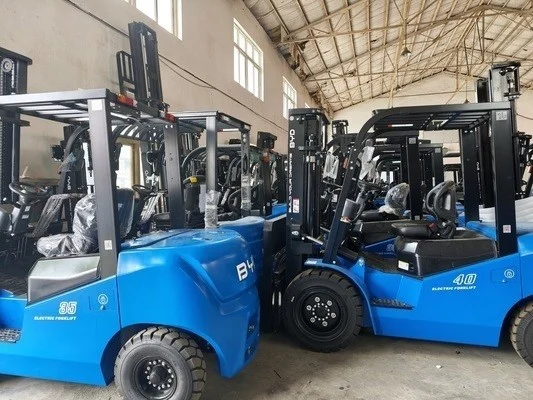
1. Match battery capacity and chemistry to your operating temperature range. If your forklifts work full-time inside cold storage facilities held below 0°C, lithium-ion is the only reliable option. If your forklifts only occasionally enter cold storage and spend most of their work time in above-freezing areas, sealed lead-acid may meet your needs.
2. Align your choice with your shift structure. Multi-shift operations benefit from lithium-ion’s fast charging capability, which reduces the need for extra spare batteries and keeps operations moving. Single-shift low-usage operations can use sealed lead-acid to lower upfront costs.
3. Prioritize compliance with food safety rules. Any forklift working near food products must use a sealed battery to eliminate leak and contamination risks. Open flooded lead-acid batteries should never be used in food processing or storage areas.
4. Evaluate total cost of ownership rather than only upfront cost. While lithium-ion batteries cost more initially, their longer lifespan, lower maintenance requirements, and better reliability often lead to lower overall costs over the battery’s service life.
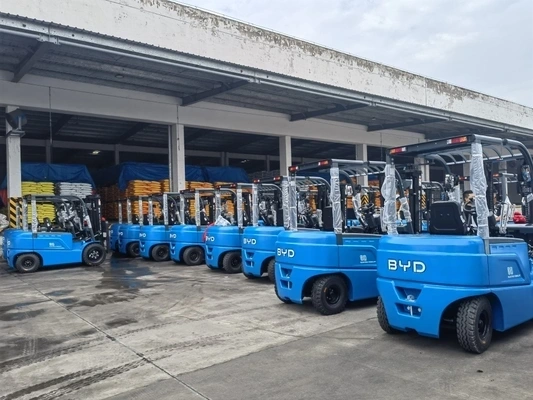
Always test a small number of batteries under your actual site operating conditions before rolling out a full fleet upgrade. This allows you to verify performance matches your specific needs before making a large investment.
Frequently Asked Questions
Can standard electric forklift batteries work inside cold storage facilities?
Standard batteries built for room temperature operation lose significant capacity in sub-zero conditions. This leads to unexpected mid-shift shutdowns that disrupt operations and put perishable goods at risk. Most standard batteries do not deliver consistent performance required by full-time cold storage work.
Which battery type meets food industry cleanliness requirements?
Sealed batteries, including sealed lead-acid and lithium-ion, eliminate acid leak risks common with flooded lead-acid options. Their sealed enclosure also makes cleaning easier, which supports alignment with food safety standards. Open flooded lead-acid batteries are not appropriate for use near food products due to leak and contamination risks.
How do I reduce battery related downtime in cold chain operations?
Start by choosing a battery chemistry matched to your site’s lowest operating temperature, follow manufacturer charging guidelines for cold conditions, and implement a scheduled inspection routine to catch minor issues early. For multi-shift operations, prioritize fast-charging battery technologies to cut idle time between shifts.