Electric Forklifts Near My Facility: Sourcing Units Compatible With Your Existing On-Site Charging Infrastructure
News 11/10/2026
Businesses needing additional lifting equipment often search local options to cut delivery lead times and access faster service. Many already own on-site charging setups, so matching new units to existing infrastructure eliminates extra installation costs. This guide walks through practical steps to find compatible units near your facility, with clear checks you can complete before committing to a purchase.
Assess Your Existing Charging Infrastructure Compatibility First
Map Your Charging Station Specifications
Start by documenting key details of every existing charging station on your site. Core specs include voltage rating, amperage output, and connector type. One common example: if your site uses 48V lead-acid charging stations, a new 80V lithium-ion unit will not connect without extensive modifications. You also need to check your facility’s total power grid capacity. This number determines how many additional forklifts your system can support during peak charging hours. Even if one station matches a new unit, your overall grid may not handle extra draw if you add multiple new units at once.
Align Your Selection With Duty Cycle And Charging Schedule
Your daily operation schedule impacts what charging compatibility you need. If your site runs two consecutive shifts, you likely use opportunity charging between shift changes. New units must match your existing opportunity charging station output to work properly. If you only charge overnight, you can match units to your slower overnight station specs without issues. Mismatched charging speeds lead to undercharged batteries, shorter battery life, and unexpected downtime during operation.
Steps To Source Local Electric Forklifts Matching Your Infrastructure
Share Your Infrastructure Details With Local Dealers
Local dealers keep popular models in stock, so you get faster delivery and faster setup compared to ordering from out-of-state suppliers. When you first reach out, share your full set of charging specs upfront. This filters out incompatible options early, saving you time and unnecessary on-site inspection visits before you narrow your choices. Many dealers can cross-reference specs against their in-stock inventory within one business day, giving you a clear list of viable options fast.
Prioritize In-Stock Inventory To Enable Fast Deployment
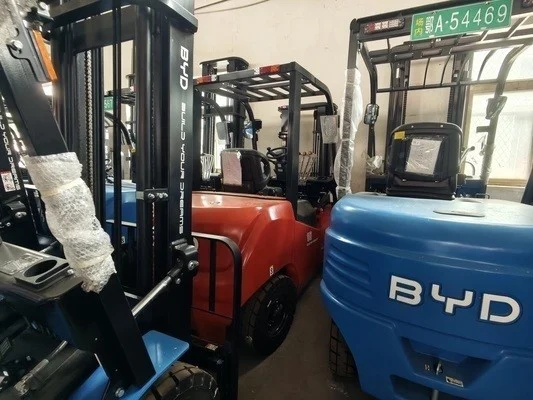
In-stock local units let you add operational capacity within days instead of waiting weeks or months on factory orders. Ask your dealer to confirm connector and voltage compatibility directly with their inventory team before you schedule a site visit. This ensures you only look at units that work with your current setup, no surprises later. If you need multiple units, ask the dealer confirm all units in your chosen batch match your charging specs, not just the first unit they show you.
Confirm Post-Purchase Support Access
Local providers offer on-site maintenance, which is critical to maintaining consistent uptime your operation needs. Ask about warranty coverage on the forklift battery, and any complimentary compatibility checks they provide after installation. If issues arise post-delivery, local teams can respond much faster than out-of-state service providers. Keep in mind: even if specs match on paper, older charging stations may need minor adjustments to handle new battery charging demands. Request a pre-purchase inspection from your dealer or a certified electrician if your infrastructure is more than 10 years old. This catches potential issues before they become costly problems.
Frequently Asked Questions
Can I use a new electric forklift with my 10-year-old charging station?
This outcome depends on matching core specs: voltage, connector type, and amperage output. If all specs align between the new forklift battery and existing charging station, operation is safe. If specs differ, minor adapter or wiring upgrades may resolve compatibility issues. Always have a qualified professional inspect your setup before use.
Do local dealers offer adapter solutions if my connector does not match?
Many local dealers stock common adapters that work with most popular voltage and connector combinations. Adapters resolve minor mismatches, but major voltage differences require full charging station replacement, not an adapter fix. Ask your dealer to confirm whether an adapter meets safety standards your operation requires.
How do I check my site’s total power capacity before adding new forklifts?
A certified commercial electrician can run a load test on your facility’s power grid to confirm how many additional charging units your system can handle. This test avoids overloaded circuits and safety hazards during peak charging hours. Share your electrician’s report with your dealer to help narrow your unit options.
What costs should I expect with required infrastructure adjustments?
Costs vary widely based on the extent of changes needed. Minor adapter purchases cost a few hundred dollars, while full panel upgrades or new charging station installations can cost several thousand. Always get a written quote covering any adjustments before you purchase your new forklift, so you can factor extra costs into your total budget.
Sourcing local electric forklifts that work with your existing on-site charging infrastructure reduces overall project costs and speeds deployment of new operational capacity. Start by documenting your current setup’s full specs, share these details early with local dealers, and confirm compatibility through a pre-purchase inspection if your infrastructure is older. This structured approach helps you avoid unexpected installation expenses and get your new unit into operation much faster.