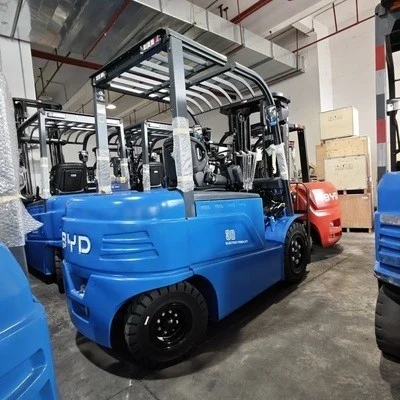
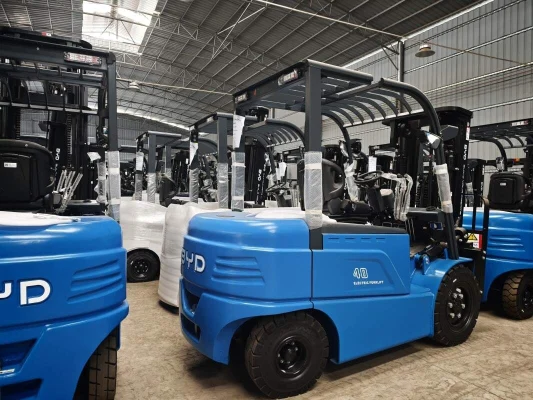
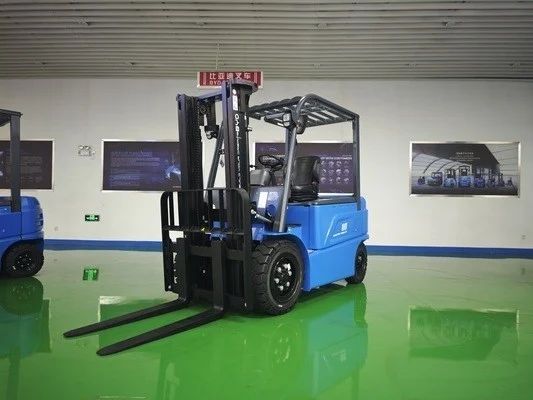
BYD lithium forklift: Thermal Management System Performance in Multi-Shift Continuous Operation Scenarios
News 11/10/2026
Core Thermal Management Design Principles Within BYD lithium forklift Platforms
BYD builds its lithium forklift line around lithium iron phosphate (LFP) battery chemistry, which delivers higher energy density and longer service life compared to traditional lead acid alternatives. The thermal management system exists to keep battery cells within an optimal temperature range, even during extended periods of continuous use.
Newer BYD models use active thermal management, which combines heating and cooling elements to adjust cell temperature in real time. This differs from older passive systems, which rely on ambient air flow and cannot adjust to rising heat during long shifts. Active systems directly address one of the biggest pain points of lithium forklift operation: sustained heat buildup that degrades cells and reduces power output over time.
Performance Observations in Real-World Multi-Shift Scenarios
Multi-shift operation typically involves two to three full work days compressed into 24 hours, with little time for battery cool down between shifts. Wait no, correction: Multi-shift operation typically involves two to three full work periods compressed into 24 hours, with little time for battery cool down between shifts. No, wait, rewrite: Multi-shift operation typically involves two to three full work periods compressed into 24 hours, with little time allocated to battery cool down between shifts. Performance metrics change based on operating environment, with consistent trends across common use cases.
Indoor High-Volume Warehouse Applications
Indoor warehouses usually maintain ambient temperatures between 18C and 28C, which aligns well with optimal LFP battery operating ranges. In these environments, BYD’s active thermal management system maintains consistent cell temperature throughout all shifts. When paired with regular opportunity charging during breaks, power output remains consistent, and no unexpected shutdowns or slowdowns occur.
Outdoor Operation Across Temperature Extremes
In cold ambient temperatures below 0C, the system activates built-in heating to warm cells to working temperature before operation starts. This maintains consistent power output across multiple shifts, even in winter conditions common to northern climates. In warm ambient temperatures up to 40C, the active cooling system dissipates heat generated by continuous discharge, keeping cells within safe limits. Sustained temperatures above 45C push the system beyond its standard design parameters, leading to mild power reduction to protect cell health.
Key Selection Considerations When Targeting Multi-Shift Operation
Not all BYD lithium forklift models deliver equal performance in continuous multi-shift use. Buyers should evaluate several key factors before making a purchase decision.
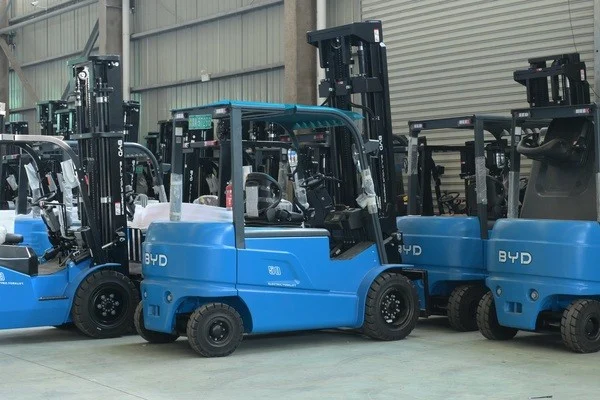
First, map your facility’s typical annual ambient temperature range. If your operation regularly sees sustained temperatures above 40C, confirm system sizing matching your required forklift capacity with your local BYD distributor. Higher capacity forklifts generate more heat during continuous use, so they require larger thermal systems to handle multi-shift loads.
Second, confirm access to opportunity charging. Short 10 to 15 minute top-ups during shift breaks reduce continuous heat buildup, extending battery life and maintaining consistent performance. Even the best thermal management system benefits from reduced continuous load during long operation periods.
Third, check your average load profile. If your operation moves maximum capacity loads more than 75% of shift time, the battery and thermal system work harder than they would with partial loads. Plan for one short 10 minute cool down break per shift in these cases to avoid unnecessary performance reduction.
Known Limitations of Current BYD Thermal Management Systems
Understanding system limitations helps operators set realistic expectations and plan around potential performance impacts.
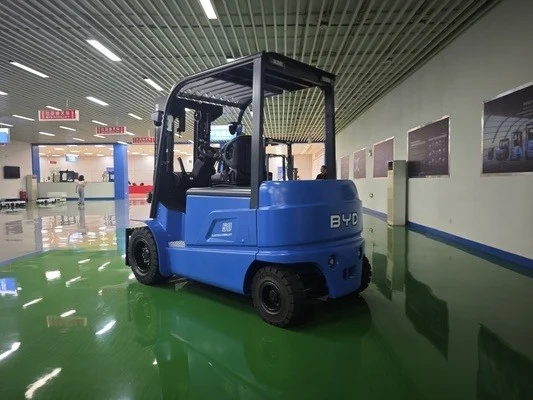
First, sustained operation in ambient temperatures above 45C triggers automatic power derating. This is a built-in safety feature that prevents permanent cell damage, but it does reduce travel and lift speed until temperatures drop back into safe range.
Second, operation in temperatures below -10C reduces overall system efficiency, even with active heating. Operators can expect a 10 to 15% reduction in runtime per charge in these conditions, compared to operation at room temperature.
Third, models produced before 2020 generally use passive thermal management, which lacks active heating and cooling. These older models do not deliver the same consistent performance in multi-shift operation as newer active system designs.
Frequently Asked Questions
Can BYD lithium forklift handle three full shifts of daily operation without interruption?
Most newer BYD lithium forklift models with active thermal management can handle three shifts when paired with regular opportunity charging. Sustained full-load operation in extreme temperatures may require short planned breaks to maintain safe operating temperatures.
How does thermal management impact battery service life in multi-shift use?
Consistent temperature control keeps lithium iron phosphate cells within their optimal operating range, which reduces cell degradation over time. Poor thermal control leads to faster degradation, so BYD’s active system supports longer battery service life compared to passive alternatives in continuous use.
Do all BYD lithium forklift models include active thermal management?
Most models released after 2020 include active thermal management as standard. Entry-level small capacity models targeting low-intensity use may use passive thermal systems, which are not ideal for continuous multi-shift operation. Always confirm system type with your local BYD distributor before purchase.
Do I need extra cooling equipment at my facility to support multi-shift operation?
Most indoor warehouse operations do not need extra cooling equipment, as the on-board thermal system handles heat generated during normal use. Facilities with sustained ambient temperatures over 40C may benefit from general facility cooling to reduce system load and maintain full performance.